

News • Research
CRISPR tool targets cancer and virus-infected cells precisely
A CRISPR-based tool called Cas12a2 can selectively eliminate cancer and virus-infected cells based on their RNA signature – with high precision and no off-target effects.

A CRISPR-based tool called Cas12a2 can selectively eliminate cancer and virus-infected cells based on their RNA signature – with high precision and no off-target effects.

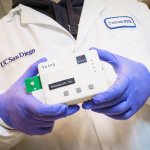
A research team is leading the development of a sensor that paves the way for the rapid, selective and cost-effective detection of active tuberculosis infection.

After 15 years of HPV vaccination programmes across Europe, growing evidence confirms their long-term effectiveness. A new report highlights steady progress in cancer prevention efforts.

Tick‑borne encephalitis is one of the most dangerous viral diseases spread in Europe. Researchers have discovered how the viruses replicate inside cells, paving the way for future treatments.

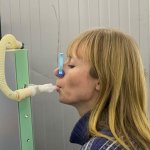
Bacterial infections can be difficult to distinguish from viral infections and inflammation, but a simple breath test may change that. This could reduce unnecessary antibiotic prescriptions.

Coronaviruses can generate new variants capable of infecting humans after circulating in animal reservoirs. Researchers develop broad-spectrum antiviral drugs to curb the spread of these pathogens.

Vaccination against human papillomavirus (HPV) reduces the risk of cervical cancer for at least 18 years, according to a new study. There were no signs of waning protection over time.

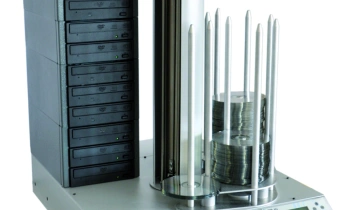
Automatic import robotImport of patient CD / DVD2, 5 or 10 drives2 import trays (regular / express)2 output trays (ok, failed)Optional virus scanCorrection of foreign dataAutomatic DICOM transferWorks with any PACS

Reseachers show how Candida albicans – a fungus living in our body – can make melanoma more aggressive. The results pave the way for antifungal therapies to complement skin cancer treatments.

Surviving without lungs for 48 hours: Surgeons describe how they removed a patient’s infected lungs and built “artificial lungs” to keep him alive until a double lung transplant was available.

The immune system’s reaction to the common Epstein-Barr virus (EBV) can ultimately damage the brain and contribute to multiple sclerosis (MS), a new study shows.

Gene-editing technologies show great promise for medical treatments and research, with the potential to cure thousands of genetic diseases. At the 2025 World Medical Innovation Forum in Boston, leading experts explored the possibilities and challenges of these rapidly advancing tools. The case of Baby KJ Muldoon – an infant treated with a personalised CRISPR therapy developed in just seven…

To soften up tumors prior to cancer chemotherapy, a team of researchers paired high-frequency ultrasound waves with a type of sound-responsive particle to reduce the protein content of the tumors.

Researchers from Osaka have developed a simple and efficient system for understanding the functions of specific norovirus genes, providing new avenues for developing antivirals and vaccines.

In response to rising H5N1 avian influenza cases in Europe, a new framework aims to help countries detect and respond to spillover to humans – from enhanced surveillance to pandemic preparedness.

A team of researchers comprehensively catalogued a new collection of bacteria-eating viruses called phages. These phages could be used to combat Klebsiella pneumoniae - a serious threat in hospitals.

More than a decade of protection against the human papillomavirus (HPV): a new study confirms the long-term effectiveness of the HPV vaccine to prevent development of cervical cancer and pre-cancer.

After a bout of influenza or Covid, the risk of heart attack or stroke may rise dramatically, and chronic infections may increase the long-term risk of serious cardiovascular disease events.

An international project to create a ‘digital twin’ of the human immune system could help scientists finally tackle grand challenges such as autoimmune disorders and infectious diseases.

Chronic fatigue (ME/CFS) affects millions worldwide, but is poorly understood and has long lacked reliable diagnostic tools. Now, a new blood test claims to diagnose the condition with 96% accuracy.

HIV manages to persist in the body for decades after infection and treatment. Now, researchers discovered that the virus cloaks itself in the DNA of infected cells using unique DNA patterns.

When the many protect the few: An expert explains the premise of herd immunity, and how vaccinations apply the priciple in preventing communicable diseases, notably in the complete eradication of smallpox.

German researchers discover how HIV selects genome integration targets using RNA:DNA hybrids as guides, revealing new therapeutic approaches for controlling viral reservoirs.

Climate change enables mosquito-borne pathogens such as the chikungunya and West Nile virus to establish themselves in Europe. ECDC experts explain how EU countries can adapt to this ‘new normal’.

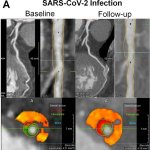
Blood vessels become stiffer with age, but a new study suggests that a Covid infection could accelerate this process, increasing the risk of cardiovascular disease, including stroke and heart attack.

After an infection with the coronavirus Sars-CoV-2, the virus is able to persist at low levels in the brainstem, new research finds. This helps explain some of the enduring neurological symptoms.

Common respiratory infections such as influenza and Covid-19 can awaken dormant breast cancer cells that have spread to the lungs, setting the stage for new metastatic tumors, new research finds.

When someone is infected with a virus, traces of it are shed in their bodily waste and end up in the sewage system. Thus, combined wastewater and individual testing can benefit public health response.

Molecular profiling of over 1,000 nasopharyngeal cancer (NPC) tumours reveals distinct differences in tumour microenvironment of locoregionally advanced NPC, supporting personalised treatment.

A University of Liverpool study has used advanced genetic and genomic techniques to offer a major step forward in understanding and diagnosing infectious intestinal diseases.

A US research team has shown that Sars-CoV-2 can “reprogram” pathogen-fighting white blood cells into immune system suppressing cells — a potential mechanism by which severe Covid may arise.

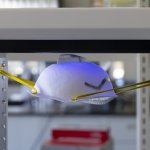
After the Covid-19 pandemic, face masks have become less common. However, those who still need to wear a mask often suffer from discomfort due to restricted breathing. New research could change this.

A gene once believed to fight only viral infections could also hold the key to preventing memory loss in Alzheimer’s patients, a new study finds. This paves the way for new drug developments.

The rise of pathogenic fungi is a real concern and is being driven by climate change. A new study predicts significant spread of certain fungal pathogens in Europe fuelled by rising temperatures.

Molecular testing provides a more convenient, personalized way of monitoring of heart transplant recipients, according to insights shared at the Annual Meeting and Scientific Sessions of the ISHLT.

Ending epidemics like HIV, tuberculosis, hepatitis and STIs by 2030 is a key health goal for Europe. Although progress has been made, many EU countries are not on track to meet the goals, experts say.

Researchers developed biomimetic materials inspired by lymph nodes, which could improve cancer immunotherapy. The study highlights the potential of bioengineered scaffolds for cell-based therapies.

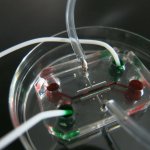
Due to the effects of climate change, dengue is spreading worldwide. Now, researchers have developed a 'dengue-on-a-chip' model that helps study the virus more effectively.

In a new study, researchers show that the emergence of antibiotic resistance can be understood in the mechanism of how bacteria build up defences against being infected by viruses.

Researchers discovered a key mechanism by which melanomas and other aggressive tumours prevent the immune system from detecting and attacking them – one of the greatest challenges in oncology today.

A new rapid diagnostic test can identify pregnant women at elevated risk of transmitting hepatitis B to their babies. This could help prevent mother-to-child transmission during childbirth.

Microbiologists have just shown that people with diabetes are more likely to develop antibiotic-resistant strains of Staphylococcus aureus, a leading cause of AMR-associated infections and deaths.

Point-of-care diagnostics based on a combination of mobile-sized scanners and artificial intelligence (AI) are helping save the lives of women in low-resource settings. The AI technique is being applied in Kenya and Tanzania to deliver screening for cervical cancer – now the leading cause of cancer-related deaths in women in that region and a bigger cause of death than childbirth.

The virus behind Covid-19 initially causes acute lung injury and respiratory failure. However, new evidence indicates the virus also involves inflammation that can affect the cardiovascular system.

Europe has been polio-free since 2002 – but a recent surge in poliovirus detections across several European countries shows that the threat from this vastly-forgotten disease is over, warn experts.

Infection with the human papillomavirus (HPV) is the most common cause for cervical cancers. Now, researchers have developed a promising therapeutic vaccine against precancerous lesions.

Self-reported, persisting health problems after Sars-CoV-2 infection are commonly described. However, the long-term prognosis of post-Covid-19 syndrome is unknown. A new study aims to change this.

The vaccine to protect against Hepatitis E is given in a 3-dose regimen. However, in an epidemic setting, two doses have also proven effective, a new study shows.

More than just a sports injury: A new study shows that head trauma may activate latent viruses, leading to neurodegenerative conditions such as Alzheimer’s disease and Parkinson’s disease.

Researchers uncovered a surprising link between Alzheimer’s disease and herpes simplex virus-1 (HSV-1), suggesting that viral infections may play a role in the disease.

Environmental factors such as low temperatures and carbon monoxide levels in the air have long been underestimated as risk factors for triggering a heart attack, new research suggests.

Analyses of self-tests for human papillomavirus (HPV) can be used to divide HPV-positive women into three risk groups, according to a new study. This could enhance cervical cancer screening.

The Covid-19 pandemic was handled very differently across European healthcare systems. To better prepare for future crises, scientific experts from 13 European countries reviewed key lessons learned.

A new way to inhibit the proliferation of Sars-CoV-2 opens up new perspectives in the fight against this coronavirus and other viral diseases that still have no medical treatment.

The current rise in antibiotic resistance is once again sparking interest in phage therapy. Now, scientists developed a new tool that recommends the best possible phage cocktail for a given patient.

New research has shown that using artificial intelligence (AI) can improve how urinary tract infections (UTIs) are treated, and help to address antimicrobial resistance (AMR).

Wastewater treatment fails to kill several human pathogens, such as Listeria or E. coli, when they hide out on microplastics in the water, according to a new study.

Until now, those affected have had to inject the missing coagulation factor proteins themselves several times a week. Gene therapy now offers those affected the prospect of an improvement: the therapeutic agent is administered as a single intravenous injection.

Immunocompromised patients are at greatest risk of developing severe Covid-19 after an infection. While early antiviral treatments yield best results, even late-onset therapies still show benefits.

Protection from established Covid-19 vaccines wanes relatively quickly. A new vector vaccine elicits prolonged immune response in animal models, and maintains its efficacy over extended time.

Researchers have developed an artificial intelligence which can differentiate cancer cells from normal cells, as well as detect the very early stages of viral infection inside cells.

Brazilian researchers have identified a key mechanism of Sars-CoV-2 to manipulate its host’s immune defense. This discovery could pave the way for the development of novel therapies.

Researchers have developed a fluorescence assay for viral integrity (or FAIRY, for short), to quickly determine the effectiveness of countermeasures against a given virus.

New research reveals a promising approach to developing a universal influenza vaccine that confers lifetime immunity against an evolving virus considered most likely to trigger the next pandemic.

A new test shows promise in making cervical cancer screening more accessible and less invasive by detecting oncoproteins of the human papillomavirus (HPV) in urine samples.

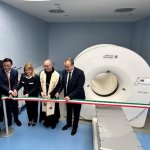
The new Nuclear Medicine Department of the San Pietro Fatebenefratelli Hospital was inaugurated in Rome. The Department was inaugurated with the online intervention of Health Minister Orazio Schillaci and in the presence of Maria Tripodi (Undersecretary at the Ministry of Foreign Affairs and International Cooperation), Antonello Aurigemma (President of Lazio Regional Council).

Scientists discover how the production of antibodies is regulated in allergy and infections. This opens the door to new therapies, without affecting the beneficial response of the immune system.

When point-of-care testing (POCT) models for diagnosing infectious disease are effective, the quality of pathology results can be equivalent to laboratory tests, new research shows.

Due to climate change, diseases such as West Nile fever reach European countries. With the help of AI and math, institutions can prepare for new infections in the changing climate, new research shows.

Burnout, fear of infection, lack of support: One in three doctors and nurses considered leaving their job, or the healthcare profession altogether, during the Covid-19 pandemic, a new study shows.

Delegates from Hannover Medical School and the University of Glasgow have now signed a letter of intent to intensify their collaboration in the field of infection research.

A new approach to vaccine development could produce vaccines before the disease-causing pathogen – such as a new variant of the coronavirus Sars-CoV-2 – even emerges.

New research challenges assumptions about the origin of rheumatoid arthritis, which are probably too simple. The findings may point towards improved diagnostics of this painful autoimmune disease.

Could the 'gene scissors' CRISPR be used to make resistant bacteria susceptible to first-line antibiotics again? According to new reseach, yes – but the experts also point out serious caveats.

Antimicrobial-resistant infections have become a global threat, with an annual death toll of over 1 million. Now, reseachers created a promising vaccine candidate for antibiotic-resistant bacteria.

The world has hardly processed Covid-19, so the thought of another pandemic is far from pleasant. Yet, infectious disease experts have picked the most likely candidate in a new survey.

Beckman Coulter Diagnostics announced ahead of the ESCMID Global congress (formerly ECCMID) that it has extended the menu of DxI 9000 Immunoassay Analyzer* assays.

Bacteria can help – or hinder – the treatment of cancer. How this happens, however, is largely unknown. Now, researchers have mapped bacteria in cancer metastases to shed more light on their role.

Patients who are suffering from aftereffects of a coronavirus infection often receive the diagnosis 'long Covid'. However, new research presented at ECCMID 2024 calls that term into question.

New study results explore the long-term effects of infection with Sars-CoV-2, and challenge the idea that vaccine immunity fades quickly.

Scientists have developed an antibody that can block the effects of lethal toxins in the venoms of a wide variety of snakes found throughout Africa, Asia and Australia.

How does a coronavirus infection cause neurological symptoms such as headaches, memory problems, and fatigue? A new study points to a different reason than previously assumed.

During the Covid-19 pandemic, Switzerland relied on contact tracing to identify people likely to have been contaminated by an acquaintance. A research team assessed the effectiveness of this method.

Instead of killing viruses and bacteria with chemical disinfection, a new approach uses minuscule spikes to skewer them. This could be used to prevent surface contamination in hospitals or labs.

Coronavirus vaccines have showcased the possibilities of messenger RNA (mRNA) technology. Now, a research team aims to put it to use against a rare inherited metabolic disorder.
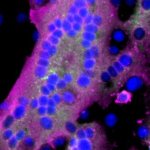
Bringing digital pathology together with novel multiplexed staining techniques may answer key questions about complex diseases. Pathologist Lukas Marcelis, MD, PhD, believes such combinations of technology will have benefits for clinicians and patients and can help unravel some of the mysteries surrounding a range of conditions.

Researchers from the University of Southampton investigated how ultraviolet laser light destroys the coronavirus Sars-CoV-2 by impacting components critical for infection.

A new, large-scale study from Sweden underlines the importance of vaccination against Covid-19: The research shows that an infection raises the risk of heart rhythm disturbances.

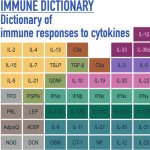
Scientists map the effects of 86 immune-signaling molecules called cytokines on every major immune cell type, creating a reference for studying the inner workings of the immune system.

Breaking & entering – on a minuscule scale: US researchers have shown how some pathogens like Toxoplasma can enter cells using physical force to cause an infection.

The Covid-19 pandemic has affected scientific research in numerous ways – for example by highlighting knowledge gaps in gender medicine. In many studies differences in morbidity and mortality between women and men surfaced incidentally. While the extent and causes of these differences remain largely unexplored, the preliminary insights confirm the need for further research.

Researchers have developed a method for assessing the number and structure of aggregated blood platelets (or thrombocytes) that can potentially help quantify the risk of a severe Covid-19 infection. As a result, they have identified a predictive biomarker for the seriousness of a Covid-19 infection. This will allow physicians to adjust treatment at an early stage. The researchers used a method…

A team of researchers has developed a handheld, non-invasive device that can detect biomarkers for Alzheimer’s and Parkinson’s Diseases. The biosensor can also transmit the results wirelessly.

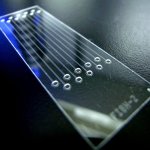
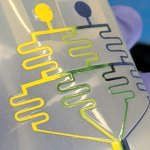
Over the last 20 years, the development of lab-on-a-chip (LoC) devices for performing real-time PCR (LoC-PCR) has been an active research field. Now, Italian researchers present their design for a new lab-on-a-chip-PCR device.

Faster, more accurate and cost-effective testing: Experts outline the beginnings and evolution of “lab-on-a-chip” technology, and its benefits for advanced and next-gen operational platforms.

Würzburg resarchers have created a new pseudovirus design that allows tracking of penetration of viruses into cells.

Researchers from Osaka University present a novel technique to detect different coronavirus variants quickly, including fast-spreading strains present in human saliva.

New trial results suggest that a short course of induction chemotherapy prior to chemoradiation could reduce the rate of relapse and death among patients with locally advanced cervical cancer.
What does the future of the coronavirus look like? An international research team from Cologne and New York has developed a model to predict the likely evolution of Sars-CoV-2.

A new study found that the antibody response of infants and young children against Sars-CoV-2 deviates from that of adults in a small, but very significant way.

What role should artificial life play in medicine? Researchers from Denmark and the US explore the potential of hybrid peptide-DNA nanostructures for diagnosing and treating diseases.

New research from Copenhagen University Hospital – Rigshospitalet and Herlev and Gentofte Hospital has shed new light on the immune system’s complex struggle against the coronavirus.

The enhanced infection safety measures installed for the Covid-19 pandemic also had a beneficial effect on hospital-acquired infections (HAIs) overall, a new US study suggests.

For their contributions to developing mRNA vaccines to fight Covid-19, Katalin Karikó, PhD, and Drew Weissman, MD, PhD, have been jointly awarded the 2023 Nobel Prize in Physiology or Medicine.

A new molecular test for bacteria and viruses, including Sars-CoV-2, has been developed at the University of Surrey, as they warn that the world needs to be prepared for the next pandemic.

US researchers have discovered that radiation therapy combined with two types of immunotherapy can control tumors in preclinical models of triple negative breast cancer.
Environmental changes may reduce the diversity of mosquitos, but bring about a greater abundance of viruses, scientists from Charité in Berlin in cooperation with Leibniz-IZW find.
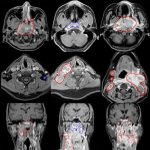
Researchers from Rutgers University developed a way to help hospitals identify life-threatening Covid-19 cases using machine-learning software. The algorithm identified six crucial parameters.

A research team led by the Institute for Bioengineering of Catalonia (IBEC) and Hospital del Mar has conducted a study to analyze cough sounds recorded by smartphones in patients with Covid-19.

A new onco-therapeutic vaccine candidate against human papillomavirus (HPV)-induced cancers, such as cervical and oropharyngeal cancers, has shown promising results in the preclinical phase.

New research finds the use of an electric field a promising means to prevent aerosol spread of viruses in healthcare environments, for example during surgery.

Rates of Covid-19 are decreasing and many healthcare workers stop wearing face masks. However, that may not be such a good idea, a new commentary from US experts suggests.

Researchers in France identified changes to the immune memory after infection with the Omicron BA.1 variant in thrice-vaccinated patients. The remodeling actually works to the patients' benefit.

The 2023 AACC meeting saw two exciting AI applications in lab medicine: a predictive algorithm for MS, and machine learning for detecting contaminated lab samples.

A family physician at Tufts University School of Medicine offers advice for how to treat allergies and how to tell if symptoms are due to allergies, the common cold, the flu, or Covid-19.

A new device that combines microfluidics on paper, electrochemical transduction and immunoassays on magnetic nanoparticles is useful for easy and rapid diagnosis of lung diseases.

Global healthcare consumes millions of tonnes of single use plastic every year. A team at the University of Birmingham is taking on this sustainability challenge.

A placenta on a chip developed at the University of Dundee has the potential to transform research into life-threatening conditions in pregnancy.

Combining aerosol sampling and ultrasensitive biosensing, researchers have created a real-time monitor that can detect any of the Sars-CoV-2 virus variants in a room in about 5 minutes.

Research by the University of Southampton has shown that repeated Covid-19 vaccination increases the ability of lymphoma patients to prevent infection from the virus, particularly after four doses.

Gentle cleansers are just as effective in killing viruses – including coronavirus – as harsh soaps, according to a new study from scientists at the University of Sheffield.

US researchers identified a potential breakthrough in glioblastoma treatment. Using a modified virus, they created a treatment that specifically attacks tumor cells, while leaving normal cells intact.

Governments around the world must do more to tackle the growing threat of drug-resistant infections, new research led by the University of Leeds suggests.

In the last decade, regional and global health organizations have pushed for making safety a central pillar of procurement, with a directive that cost should not be a barrier. The crucial question is: How easy is that to implement? How can a confident decision be reached that protects patients and healthcare workers without straining costs?
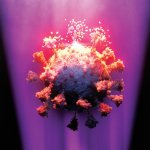
A study led by the National Institutes of Health’s RECOVER Initiative and supported by NYU Langone Health provides an expanded working definition of long Covid.

German researchers have now investigated whether there is a temporal association between infection with the Sars-CoV-2 virus and the development of type 1 diabetes.

Researchers at Karolinska Institutet have found further evidence for how the Epstein-Barr virus (EBV) can trigger multiple sclerosis (MS) or drive disease progression.

Protection offered by Covid-19 vaccination declines more rapidly in people with severe obesity than in those with normal weight, scientists at the Universities of Cambridge and Edinburgh have found.

Lyme disease, the most common tick-transmitted bacterial infection in the world, is challenging to diagnose. Initial early-stage symptoms may include skin rash, fever, headache, fatigue, swollen lymph nodes, and/or body and joint aches. However, these symptoms are also associated with many other diseases and medical conditions.

Scientists at the University of Applied Sciences Krems (IMC Krems) show that CRISPR-Cas9 can also be used to inhibit viruses such as adenoviruses in cell cultures.

Getting vaccines to people who need them isn't always easy. Many vaccines require cold storage, making it difficult to ship them to remote areas that don't have the necessary infrastructure.

For patients with human papilloma virus associated oropharynx cancer, assessing the presence of cancer cells beyond the lymph nodes is critical in determining proper treatment.

Data on a test that can detect HIV, hepatitis B and hepatitis C from a single drop of blood is being presented at this year's European Congress of Clinical Microbiology & Infectious Diseases.

US scientists report using a single-atom-thick nanomaterial to simultaneously detect Covid-19 and flu viruses — at much lower levels and much more quickly than conventional tests for either.
Researchers at the Universitat Autònoma de Barcelona (UAB) have developed a new type of nanoparticles inspired by the structure of amyloids, capable of neutralising the SARS-CoV-2 virus.
Scientists from Japan demonstrated, for the first time, a successful chemogenetic suppression of widespread epileptic seizures in macaque monkeys. Their findings represent an essential step towards clinical trials, and effective treatment for patients with severe epilepsy.

A new mathematical model developed by Hokkaido University engineers uses wastewater samples to effectively forecast the number of clinical Covid-19 cases in a community five days in advance.

A new study confirms that haematopoietic stem cell transplantation can be used to cure patients with HIV infections. This third successful case gives new insights into the underlying processes.

Researchers have developed an inhalable powder that could protect lungs and airways from invasion from the coronavirus or flu viruses by reinforcing the body’s own mucosal layer.

The European Football Championship in 2021 had an impact on the participating countries' coronavirus infections, a new study shows. However, the extent depended greatly on the initial situation.

Dutch physicians have developed a system to determine the right dose of immunosuppressive drugs for patients to receive a donor liver - to prevent the activation of the Epstein-Barr virus.

Findings of bacteria with anti-inflammatory effects in the intestines of MS patients with no evidence of active disease indicate that diet, bacteria and disease progression are linked.

Researchers at the University of Tokyo have used artificial DNA to target and kill cancer cells in a completely new way. The method showed promising results against various cancers in lab tests on mice.

A newly developed rapid test needs only a few seconds to reliably detect pathogens such as SARS-CoV-2. It is based on specially designed magnetic nanoparticles.

A new study has found that antibodies produced in the nose decline nine months after Covid-19 infection, while antibodies found in the blood last at least a year.

Scientists managed to identify and kill breast cancer cells that evade standard treatments in a study in mice. The is a step towards the development of new treatments to prevent relapse in patients.

Covid-19 vaccinations that combine two or more distinct variants of SARS-CoV-2 could offer protection against current and future ‘variants of concern’, say scientists from UK and Austria.

A new study demonstrates that AI models, using symptom and demographic features, can help predict Covid-19 infections, providing a way for rapid screening and cost-effective infection detection.

How does the coronavirus actually work? Dutch researchers have produced an animated video to visualise the life cycle of the virus using real-life microscopic images of infected cells.

In their pursuit of solutions for pandemic challenges, a US hospital system applied telemedicine principles to respiratory therapy – with impressive results.

Researchers tracked viruses passing through face masks and compared their failure on the filter layers of different mask types. This could accelerate the development of surfaces that can kill viruses.

Eunsin Bae, M.D. specializes in laboratory medicine and leads the Institute of Clinical Research at Seegene Inc. Her research focuses on microbiology, molecular biology, and hematology. Dr. Bae is currently working toward implementing a global clinical study and establishing an international network of clinical investigations.

The diminished power of the immune system in older adults is usually blamed on the aging process. But a new study shows that decades of particulate air pollution also take a toll.

Are climate change and air pollution making neurologic diseases like headaches, dementia and multiple sclerosis (MS) worse? A scoping review of research explores the connection.

On March 31st, 2022, a city-wide lockdown to curtail the spread of the Covid-19 virus in Shanghai, China, shuttered the GE Healthcare manufacturing facility that produces 80% of the global supply of iodinated contrast media agents iohexol (Omnipaque) and lodixanol (Visipaque). Although the plant was able to operate at 50% capacity by mid-May, the shutdown resulted in a substantial contrast media…

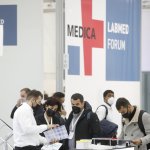
At this year's Medica tradefair, laboratory medicine, medical technology and life sciences give new impulses to the entire healthcare market - especially in times of the corona pandemic. An overview.

Blood stem cell transplantation is a radical but highly effective therapy for multiple sclerosis. A study examined how the treatment curbs the disease and how the immune system regenerates afterwards.

A new X-ray technology has been used to identify a link between the damage that severe Covid-19 can inflict on lungs and pulmonary fibrosis, a disease that causes severe scarring of lung tissue.

Until now, it was feared that vaccination against Covid-19 could reduce the success of treatment for patients with nasopharyngeal cancer. A recent study now gives the all-clear in this regard.

Speed or accuracy? As far as Covid-19 tests go, this was the choice you had to make. In the future, this dilemma could be a thing of the past.

Donor hearts from people who were Covid-19-positive appear to be as safe for transplantation as those from people without Covid-19, according to a new short-term analysis.

The Pluslife Mini Dock System is a Next-Generation POC molecular diagnostic tool that can be used in different application scenarios, which aims to help the decentralization of MDx in diagnosing facilities.

With the rise of syndrome-style infections, co-infections and the current antimicrobial resistance challenges, the need for multiplexed diagnostics is now more important than ever.

The coronavirus pandemic is a huge challenge for global public health and welfare. Decentralized, affordable POC MDx platforms would allow more effective control of SARS-CoV-2 and other infections.

Despite treatment, chronic lung diseases such as COPD or cystic fibrosis can become so severe that a lung transplant is necessary. Dr Urte Sommerwerck explains which patients might be considered for transplantation and why follow-up is as important as the surgery itself.

The coronavirus pandemic caused by SARS-CoV-2 and its variants is still a major public safety issue worldwide. The “alpha” variant B.1.1.7, the “gamma” variant P.1, the “beta” variant B.1.351, and the “delta” variant B.1.617 are of particular concern because of their high prevalence. Large-scale vaccination and sensitive detection are vital for preventing the spread of Covid-19.

Research presented in a new preprint suggests that SARS-CoV-2 might have been artificially created in a laboratory. Experts from Würzburg have reviewed the paper – and remain unconvinced.

Scientists have discovered that cervical cancer can be divided into 2 distinct molecular subgroups – one far more aggressive than the other – as part of the largest ‘omics’ study of its kind.

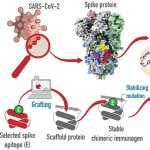
A vaccine design approach that could protect against new variants of SARS-CoV-2 but also potentially protects against other coronaviruses is one step closer to reality as a result of new research.

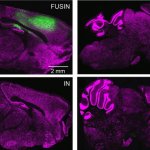
Treatment of central nervous system diseases and tumors is often hindered by the blood-brain barrier. A new method aims to overcome this obstacle using focused ultrasound intranasal delivery (FUSIN).

Covid-19 has led to global mortality changes unprecedented in the last 70 years, according to new research. However, the drop in life expectancy is not equally high in all countries.

Referrals to Cambridge’s long Covid clinic fell dramatically in the period August 2021 to June 2022, which researchers say is likely due to the successful rollout of the vaccine.

A research group has revealed that SARS-CoV-2 disrupts the vascular endothelial barrier by suppressing the expression of Claudin-5 (CLDN5) to invade the blood vessels.

As the monkeypox outbreak continues to spread around the globe, a rare but potentially serious complication of the virus has been discovered.

What will the next pandemic look like? Health officials from across the globe gathered in Geneva in late August at a World Health Organization meeting to focus on how lessons learned from Covid-19 might best prepare civilization for the "next one."

How can rapid antigen tests be adjusted to reliably detect future variants of SARS-CoV-2? A research team funded by the National Institutes of Health is currently working on finding an answer.

Using a newly launched, comprehensive monkeypox registry, health professionals can share data on the skin symptoms of monkeypox and the vaccine to improve patient care.

Researchers at Queen’s University Belfast have developed a new plastic film that can kill viruses that land on its surface with room light.

Dutch global DNA/RNA technology solutions provider MolGen B.V., participates in the 24th Annual Conference of the European Society for Clinical Virology (ESCV) held in Manchester, UK.

Vaccination projects across the world are at a pivotal post-Covid moment, according to one of the leading experts in the field. Speaking to Healthcare in Europe ahead of the World Innovation Summit for Health (WISH) congress in Qatar – where vaccination will be a central topic – Dr Jerome Kim said there is an urgent need to regain a ‘positive consensus’ around the value of vaccines. He…

Two-dimensional (2D) cultured cell lines and animal models have been the principal research tools for the past decade, but have several shortcomings. Three-dimensional cell cultures, or organoids, show great promise here.

The new washer-disinfector series exhibits comprehensive decontamination and disinfection performance against all human-pathogenic viruses, confirms accredited testing laboratory HygCen Germany GmbH.

Danish smokers bought less tobacco and more quit smoking during the Covid pandemic, new research finds. This comes as a surprise given that mental health and exercise habits waned during the lockdown.

The overall risk of myocarditis is substantially higher immediately after being infected with Covid-19 than it is in the weeks following vaccination for the coronavirus, a large new study shows.

A lack of high quality, up to date clinical guidance on monkeypox may be hampering effective and safe treatment of the infection around the world, a new review finds.

The new test measures the level of neutralizing antibodies in a blood sample and could help people decide what protections they should take against infection.

The prototype device combines eRapid and SHERLOCK technologies into a single, postcard-sized system that can simultaneously detect the presence of both SARS-CoV-2 RNA and antibodies in a patient’s saliva.

A comprehensive assessment of scientific literature has uncovered empirical evidence that more than 58% of human diseases caused by pathogens, such as dengue, hepatitis, pneumonia, malaria, Zika, have been aggravated by climatic hazards.

More than 225,000 tweets with the hashtags #scamdemic and #plandemic led to an “infodemic” of misinformation and disinformation on Twitter during the first year of the pandemic, a new study finds.

Avian flu, MERS, Covid-19, monkeypox: outbreaks of infectious diseases are getting more common in Europe. As a result, the EU must adapt its surveillance strategies and introduce more data-driven, interdisciplinary countermeasues.

Researchers have developed adeno-associated virus variants that target heart muscle cells and can thus be used for the precise treatment of heart diseases.

Researchers propose a new Covid-19 vaccine that specifically instructs the immune system to produce T-cells rather than antibodies - a promising alternative for people with a weakened immune system.

Long Covid sufferers have experienced a wider set of symptoms than previously thought including hair loss and sexual dysfunction, new research has found.

Researchers have developed a new Covid-19 test distribution method that uses drones to quickly deliver at-home diagnostic tests to individuals who suspect they have Covid-19.

A sprayable coating that can prevent the surface spread of infection from bacteria and viruses – including Covid-19 – over a sustained period has been developed by Australian researchers.

Skin swabs are "surprisingly effective" at identifying Covid-19 infection, according to new research, offering a route to a non-invasive future for Covid-19 testing.

Cancer immunotherapy is a successful treatment form in oncology, but it doesn't work for every patient. One problem may be the lack of a specific type of immune cell in the tumor, researchers found.

The Covid-19 pandemic has highlighted the importance of the fast and accurate diagnosis of infectious diseases in clinical settings. Harald Maier discusses the implementation of rapid molecular diagnostics in the central clinical diagnostics laboratory at Innklinikum Altötting and Mühldorf, highlighting how the use of PCR testing has benefitted the hospital during the Covid-19 pandemic.

Researchers have been able to produce antibodies to the SARS-CoV-2 spike protein in hen eggs. Antibodies harvested from eggs might be used to treat Covid-19 or as a preventative measure.

John Kotcher from George Mason University says that emphasizing the health implications of climate change is one of best ways to engage the public to fight for better policies.

By comparing the neutralisation capacity induced by the different variants of SARS-CoV-2, a team from Geneva reveals the exceptional capacity of Omicron to evade our immunity.

A new type of vaccine provides protection against a variety of SARS-like betacoronaviruses, including SARS-CoV-2 variants, in mice and monkeys, according to a new study.

Cambridge University Hospitals and the Faculty of Education are helping to bring medical training using 'mixed reality' technology a step closer.

Researchers created a special ultrathin sensor, spun from gold, that can be attached directly to the skin without irritation or discomfort. The sensor can measure different biomarkers or substances to perform on-body chemical analysis.

Using functional MRI with inhaled xenon gas, researchers have identified that long COVID symptoms are related to microscopic abnormalities that affect how oxygen is exchanged from the lungs to the red blood cells.

Scientists shared one of the first high-resolution looks at the rabies virus glycoprotein in its vulnerable 'trimeric' form, revealing potential vaccine targets.

Recovery from severe Covid-19 is characterized by a reduction of certain white blood cells and changes in the molecular regulation of the immune system, an international research team found.

Handheld, instrument-free test delivers lab-quality molecular results – 97.9% accuracy – in about 15 minutes, right at the point of care.

A research group from Kyoto developed two in vitro models to study SARS-CoV-2, and showed that they can be used for drug screening for infectious diseases including Covid-19.

When a virus makes its way into the body, one of the immune system’s first responders is a set of pathogen-removal cells called macrophages. But they don’t all target viruses in the same way.

Researchers have developed a novel way to fabricate diagnostic devices using paper-based microfluidics that can be rapidly prototyped and scaled for manufacturing.

In patients with serious and long-term Covid-19, disturbed blood coagulation is often observed. Now, Swedish researchers found a connection between harmful amyloid production and Covid-19 symptoms.

Bacteriophages – viruses that kill bacteria – could be a solution for fighting antibiotic-resistant pathogens, French researchers have developed a model to better predict their efficacy.

Scientists from France and Belgium gained insights into the structure and function of a central liver protein: NTCP, a cellular-entry pathway for bile salts – but also for certain hepatitis viruses.

SARS-CoV-2 depends on the broadly antiviral interferon-induced human transmembrane proteins , to enter human cells and replicate inside them.

Two years after infection with COVID-19, half of patients who were admitted to hospitals still have at least one symptom, according to the longest follow-up study to date.

Researchers developed a new microfluidic chip with broad applications for detecting viruses, pathogens, bacteria and other biomarkers in liquid samples.

The search for rare mutations in bacterial genome could lead to better diagnostics and treatments – reducing morbidity caused by the deadly disease.

Dormant herpesviruses induce their reactivation via a previously unknown cellular mechanism mediated by a viral microRNA, Würzburg researchers discovered.

UV radiation is one of the go-to methods for preventing the spread of SARS-CoV-2. But what UV dosage kills the virus? What wavelength? How long? A new study answers many of those questions.

In 2020 and 2021, the death toll associated with Covid-19 was approximately 14.9 million, according to the World Health Organization. However, the global distribution has been far from equal.

Cognitive impairment as a result of severe Covid-19 is similar to that sustained between 50 and 70 years of age and is the equivalent to losing 10 IQ points, scientists found.

A method for delivering genetic material to the body that has proven useful in Covid-19 vaccination is now being tested as a way to repair damaged heart muscle after a heart attack.

Scientists have taken the first step to creating the next generation of wearable health monitors, which could monitor the body’s health by detecting the gases released from a person’s skin.

An international team has for the first time demonstrated that nerve signals are exchanged between clogged up arteries and the brain.

Six in ten people with Covid-19 still have at least one symptom a year later, a new study has found. Furthermore, symptoms that don’t clear up after 15 weeks are likely to last at least a year.

An international research team has now found an approach to lower the activation of hepatic stellate cells (HSCs) and reduce the associated development of liver fibrosis.

Using mass spectrometry and chromatography techniques, UK researchers have developed an approach to predict infection severity among Covid-19 patients, as well as potential outcomes.

A global analysis of nearly 6 million Covid-19 deaths finds an increase in mortality at weekends compared to weekdays. Bureaucratic and reporting delays alone do not explain this, researchers report.

Accurate home testing could be used for a wider range of illnesses, as new research shows the capability of smartphone-powered tests for Dengue Fever.

By comparing the infectious viral load caused by ancestral SARS-CoV-2 as well as by the Delta and Omicron variants, scientists highlight the benefits of vaccination.

A platform for studying how the human immune system responds to hepatitis C infection by combining microfluidic technology with liver organoids could speed the hunt for a vaccine.

Researchers have found another long-term complication associated with Covid-19 infections: peripheral neuropathy during and following their bouts with the virus.

An ECRC research team has introduced CRISPR-Cas9 into human muscle stem cells for the first time using mRNA, thus discovering a method suitable for therapeutic applications.

The new 3D-printable mask design promises easy breathing for users while maintaining similar levels of protection against pathogens found in N95 and surgical masks.

Using a novel probe for functional magnetic resonance imaging, researchers have devised a way to monitor individual populations of neurons and reveal how they interact with each other.

Combining questions about a person's health with data from smartwatch sensors, a new app can predict within minutes whether someone is infected with COVID-19.

COVID-19 measures such as school closures and ‘high-traffic and mixing’ areas had the strongest association, providing clues for new intervention approaches.

Traces of the SARS-CoV-2 coronavirus that causes COVID-19 can be detected in microscopically small fluid droplets exhaled during a very short time span.

The tool has made it possible to detect SARS-CoV-2 in exudate from symptomatic patients with a sensitivity of 100% and a specificity of 87.5%

A new kind of bone implant reduces the chance of infection, and therefore significantly decreases implant failure rates.

With micro-organisms and viruses constantly developing, mutating, and evolving, diagnostics must adapt just as rapidly. Advanced laboratory technology and instruments are undeniably a prerequisite for best practice in life sciences and biotechnology.

Is the Underground a safe means of transport in times of Covid-19? A computer simulation, developed at the University of Leeds, has calculated the infection risk.

Scientists have confirmed that an inhaled form of COVID vaccine can provide broad, long-lasting protection against the original strain of SARS-CoV-2 and variants of concern.

Researchers have developed an inexpensive, non-toxic coating for almost any fabric that decreases the infectivity of the virus that causes COVID-19 by up to 90 per cent.

Researchers have identified a previously unrecognized key player in cancer evolution: clusters of mutations occurring at certain regions of the genome.

Researchers have developed a noninvasive and reagent-free technique for the efficient detection of COVID-19.

Scientists have investigated the effectiveness of various common hand disinfectants against hepatitis E. They were able to show that most formulations do not completely inactivate the virus.

Professor Richard Neher from the Biozentrum of the University of Basel is using his Nextstrain platform to investigate which variants of the SARS-CoV-2 virus are currently circulating worldwide.

Researchers from Charité – Universitätsmedizin Berlin and Deutsches Zentrum für Neurodegenerative Erkrankungen (DZNE) present new findings on the immune response against SARS-CoV-2.