




News • Predicting obstetric complications
New method to reduce risk of severe birth injury
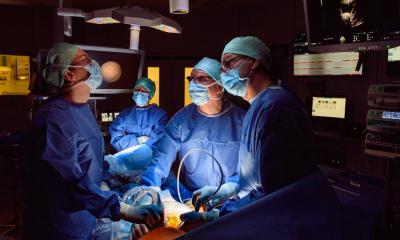
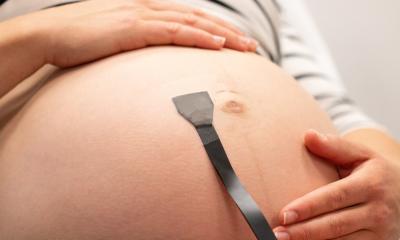
A new method for predicting the risks of severe injuries during childbirth could improve care and reduce long-term complications for women.

A new method for predicting the risks of severe injuries during childbirth could improve care and reduce long-term complications for women.

Using AI to analyse ultrasound scans can detect up to 35% more risk pregnancies than scans performed by healthcare professionals without AI decision support, according to new results.

A new rapid diagnostic test can identify pregnant women at elevated risk of transmitting hepatitis B to their babies. This could help prevent mother-to-child transmission during childbirth.

More than half of pregnant women in the UK with gestational diabetes are unaware of their condition due to insufficient diagnostics, a study suggests. This could lead to unneccessary complications.

When women are pregnant and nurse their babies, their bodies change to ensure the health of both mother and child. Researchers now surprisingly find that the intestine also changes completely.

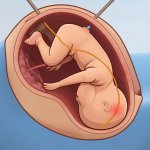
The journey of a baby through the birth canal can be fraught with obstacles and risks. A new AI-based tool to evaluate the head position of the baby could lead to fewer childbirth complications.

Women with type 1 or type 2 diabetes often have difficulty getting pregnant, due to complications from the disease, being obese or seriously underweight, or having conditions like polycystic ovary syndrome. Once pregnant, they face challenges of having a safe pregnancy and delivering a healthy baby. Recent advances in diabetes technology, including continuous glucose monitoring (CGM) and most…

Two international studies presented at the ESMO Congress 2024 show no increase in recurrence or new breast cancers in women who breastfeed after being treated for breast cancer.

Emergency care specialists must be aware of critically-important factors when treating pregnant women with severe hypertension. At the EUSEM conference in Barcelona, Dr Timo Suonsyrjä, Chief Physician for the Emergency Department at Helsinki University Hospital in Finland, highlighted the key approaches and warning signs.

An AI-enabled digital stethoscope could help doctors identify twice as many cases of heart failure during pregnancy compared to regular obstetric care and screening, acording to a new study.

In rhesus pregnancy, antibodies from the pregnant mother can lead to anaemia for the foetus in the uterus. A new study suggests that a drug could serve as a non-surgical alternative.

A team comprising obstetricians, gynecologists, pediatricians, and biomedical engineers has found the key determinants for digital health solutions that support women from pre- to post-pregnancy.

A research team from Denmark has developed an innovative screening test. With a blood sample from the expectant mother, they can scrutinize all the genes in the fetus.

Reseachers from the University of Gothenburg propose a new model for adapted triage in emergency care for pregnant women, which could become clinical routine throughout Sweden.

Postpartum hemorrhage is a leading cause of maternal mortality at birth, especially after cesarean deliveries. Now, anesthesiologists propose two simple solutions to help prevent the severe bleeding.

New methods to predict outcomes for pregnancies where there are issues with poor growth of the baby inside the womb have been developed by a team of scientists.

Researchers from the University of Tsukuba have improved the imaging resolution of the magnetic resonance microscope, to obtain high-resolution images of embryos.

The old adage that expectant mums are ‘eating for two’ and don’t need to worry about weight gain can lead to health consequences for mum and baby, maternal health experts warn.

Preterm birth affects nearly 10% of pregnancies worldwide, and rates are on the rise. A new approach that analyzes electrical activity during pregnancy, could improve predictions.