
News • Immunology
How obesity impairs vaccine response
Being overweight can reduce vaccine effectiveness, new research finds. The findings explore differences in immune response, and may lead to more effective vaccines for patients with obesity.

Being overweight can reduce vaccine effectiveness, new research finds. The findings explore differences in immune response, and may lead to more effective vaccines for patients with obesity.

A tick's saliva keeps blood flowing, disarms the immune system, and smuggles in pathogens. Scientists have just found out how to disrupt this process and prevent infection.

Coronaviruses can generate new variants capable of infecting humans after circulating in animal reservoirs. Researchers develop broad-spectrum antiviral drugs to curb the spread of these pathogens.

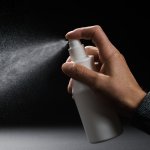
Korean researchers are developing a “spray shield that adheres to transplant organs” and reduces the burden on patients taking lifelong immunosuppressants to prevent transplant rejection.

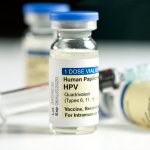
Vaccination against human papillomavirus (HPV) reduces the risk of cervical cancer for at least 18 years, according to a new study. There were no signs of waning protection over time.

Diabetes and kidney disease are among the biggest — and most overlooked — drivers of heart disease. A new survey shows many people don't even know the connection exists.

Can a Covid-19 vaccination reduce fertility? A new study from Linköping University finds no evidence to back up rumours naming vaccinations as a cause behind a decrease in childbirth.

Siemens Healthineers, with funding from the Gates Foundation, plans to develop artificial intelligence (AI) to enable earlier prediction of pre-eclampsia and anemia in low-resource settings.

A first-time mother has about a 30% chance of complication in the second stage of labour, requiring assisted delivery or emergency C-section. A new device could help reduce birth trauma.

Introducing mobile iCTG dramatically improves the detection of fetal heart rate abnormalities and strengthens perinatal outcomes - even in resource-constrained environments, a new study shows.

Even minor functional impairments of the kidneys can have serious consequences for patients after major surgery. New biomarkers could help identify high-risk patients at an early stage.

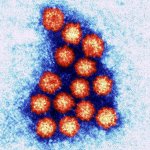
Researchers from Osaka have developed a simple and efficient system for understanding the functions of specific norovirus genes, providing new avenues for developing antivirals and vaccines.

In response to rising H5N1 avian influenza cases in Europe, a new framework aims to help countries detect and respond to spillover to humans – from enhanced surveillance to pandemic preparedness.

Many women over 50 schedule mammograms for breast cancer but miss out on CT lung cancer screenings they're also eligible for. Targeted outreach coul help change this, a new study shows.

Having multiple sleep disorders, such as OSA and insomnia, has been identified as a strong risk factor for uncontrolled hypertension. This could help identify patients in need of closer monitoring.

More than a decade of protection against the human papillomavirus (HPV): a new study confirms the long-term effectiveness of the HPV vaccine to prevent development of cervical cancer and pre-cancer.

After a bout of influenza or Covid, the risk of heart attack or stroke may rise dramatically, and chronic infections may increase the long-term risk of serious cardiovascular disease events.

Rising attendance in mammography screening programmes attest to the fact that women understand the importance of early breast cancer detection. However, the resulting workload increase is a growing challenge for many women’s imaging centres. At the 2025 SBI (Society of Breast Imaging) Symposium, breast imaging specialist Stamatia V. Destounis, MD, discussed her practice’s coping strategies.

Scientists are on the way to finding a vaccine to fight off Helicobacter pylori - a bacterium found in over 60% of people - possibly preventing stomach ulcers and lowering the risk for stomach cancer.