


Imaging

Photo

News • Neurology

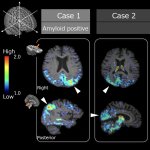
New high resolution PET scanner reveals early signs of brain diseases

A new high-res PET scanner is making its clinical debut at UZ Leuven. The scanner makes it possible to detect earliest signs of brain diseases, years before a patient experiences the first symptoms.

Photo

News • Renal function deterioration

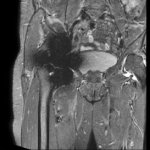
MRI could predict kidney disease before it develops, study suggests

Advanced multiparametric MRI performed before kidney tumor surgery could help identify patients at higher risk for kidney function decline and chronic kidney disease after nephrectomy.

Photoplay-button-icon

Video • 3D augmented-reality imaging

AR could help users wrap their head around medical ultrasound

Ultrasound imaging is notoriously difficult to master, as the operator has to mentally arrange a 3D object from 2D images. A new approach using augmented reality (AR) could help speed up the training.

Photo

News • New MS monitoring approach

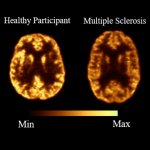
PET imaging reveals synaptic loss in multiple sclerosis

A new PET imaging approach that measures synaptic density in the spinal cord provides a quantitative way to assess the brain's functional wiring in patients with multiple sclerosis.

Photo

News • Congenital heart condition

Tetralogy of Fallot: 3D map gives new insights

Researchers have produced the first 3D map of the heart’s electrical wiring in Tetralogy of Fallot, revealing features that may explain why many patients develop heart conduction disorders.

Photo

News • Imaging with minimal diffusion data

Simulations + AI = faster brain MRI scans

A new AI-based method can reduce the time required for certain MRI brain scans by up to 90% while maintaining a high level of accuracy, paving the way for more efficient and accessible neuroimaging.

Photo

Article • Opportunistic screening

AI tools extract hidden health insights from routine chest imaging

Artificial intelligence is enabling radiologists to extract valuable diagnostic information from routine chest imaging – identifying patients at risk for osteoporosis and cardiovascular disease without additional scans. At RSNA 2025, researchers presented two AI-powered tools that transform standard chest X-rays and CT scans into opportunistic screening devices.

Photo

Article • ECR 2026 explores LLM-based vulnerabilities

Poisoned pixels, phishing, prompt injection: Cybersecurity threats in AI-driven radiology

One phishing email sends an entire county’s health service back into the age of pen and paper for months. A hidden prompt is buried within an abdominal CT image: At ECR 2026 in Vienna, cybersecurity experts presented real-world cases that read like ghost stories: tales that exemplify new vulnerabilities in modern AI-driven radiology systems – and how to avoid them.

Photo

Sponsored • New study data presented at ECR 2026

Redrawing contrast dose limits in MRI

At this year’s European Congress of Radiology (ECR) in Vienna, Bayer presented new data on a contrast agent that could transform MRI imaging: gadoquatrane, which requires up to 60% less gadolinium than previous standard macrocyclic preparations whilst maintaining the same diagnostic accuracy. Prof. Hubertus Pietsch, Head of MRI & CT Contrast Agent Research at Bayer and one of the key…

Photo

Article • Developments in brain imaging for psychiatry

Radiologists explore new frontiers of the mind

Psychiatrists and neuroimaging experts gathered to explore one of the last remaining frontiers in radiology – the human mind – at the annual meeting of the French Society of Radiology (JFR) last October in Paris. Their conversation oscillated between neurons and narratives, algorithms and emotions – a vivid reminder that psychiatry is not only about understanding the brain, but about…

1645 show more articles
Subscribe to Newsletter