


News • Deep learning model
AI detects fatty liver disease with chest X-rays
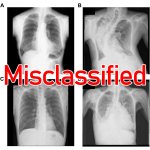
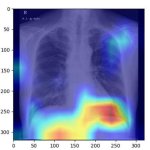
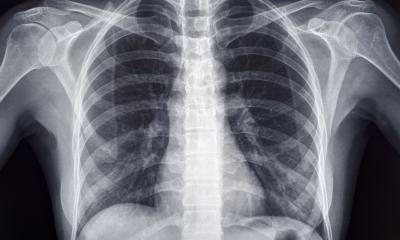
A research group at Osaka Metropolitan University developed an AI model that can detect the presence of hepatic steatosis (fatty liver disease) from chest X-ray images.

A research group at Osaka Metropolitan University developed an AI model that can detect the presence of hepatic steatosis (fatty liver disease) from chest X-ray images.

Radiation safety experts developed a multi-purpose detector with a wide range of tools for different uses into a small package. For example, the detector detects all four kinds of ionizing radiation.

Patients attending GP practices with the highest chest x-ray usage are more likely to be diagnosed with lung cancer at an earlier, more treatable stage, a new study finds.

Photon counting detectors along with novel algorithms allow for more precise 3D visualization of different tissues and contrast agents by capturing X-rays at multiple energy levels simultaneously.

For more than a year now, patients in Austria are no longer required to wear a lead apron during radiological imaging procedures such as X-ray and CT scans. However, the new recommendation, issued by the country's five specialist societies for radiation protection and imaging, has sparked mixed reactions among radiology technologists. At the annual congress of the specialist society…

Medical imaging has come a long way in the past four decades: Advances have been made in the digitization of images, but also towards more gender equality in a once male-dominated field. We talked with Katherine P. Andriole, Ph.D., a leading expert and one of the first women to enter the field, about the evolution of medical imaging informatics, experiences she has had, and her advice to those…

To improve breathing monitoring during radiotherapy, researchers have developed a millimeter-wave sensor capable of non-invasively visualizing respiratory movement during X-ray and CT examinations.

Researchers explore the connection between the gut and the brain and its impact on the onset of psychiatric and neurological disorders, including Alzheimer’s.

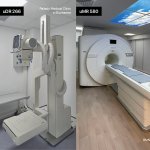
United Imaging announces four installations of their diagnostic imaging systems at three healthcare facilities in Romania. Working closely with distributor Tehnoplus Medical, the company hopes to increase diagnostic accuracy and support better treatment outcomes.

Can an AI determine whether or not a person drinks beer by looking at their knee X-rays? It can't – but the claim shows why “shortcut learning” is such a dangerous mechanism in medical AI.

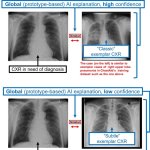
When an AI advisor points out an area of concern in a chest X-ray, radiologists are sometimes all too eager to follow their lead, a new study finds. This may lead to incorrect diagnostic decisions.

Before administering certain drugs, doctors check a patient’s kidney function by testing their blood urea nitrogen and creatinine levels. New research shows that gold nanoparticles might give more accurate results.

Radiology practices have a high volume of chest X-rays without clinically significant finding, which take up a lot of time. A new AI tool could improve workflows by providing an automatic report.

United Imaging announces that it has provided the Unicamed Hospital in Gjilan, Kosovo, with two state-of-the-art systems – the uCT 528 80-slice CT scanner and the uDR 266i digital radiography system.

On 9 December 2023, NovaLife Polyclinic, with over 15 years of experience in the private healthcare sector in Timișoara, proudly inaugurated its state-of-the-art branch in the vibrant capital city of Bucharest.

RTI presents its latest advancement in X-ray Quality Assurance and testing. Centered around efficiency, Mako provides the ultimate no-fuss experience, simple setup in all X-ray applications, and fully wireless capability.

Neuroscientists recently discovered that low-dose ionizing radiation (LDIR) can reduce lesion size and reverse motor deficits in TBI and ischemic stroke mice, demonstrating its therapeutic potential.

New tissue-equivalent materials developed at the University of Surrey could pave the way for a new generation of flexible X-ray detectors, with potential applications in cancer treatment.

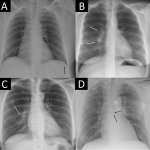
Incidence of lung cancer among people who never smoked is rising. A new AI tool opens the door for opportunistic screening for this group, using existing chest X-rays in the electronic medical record.