

News • Pediatric Radiology
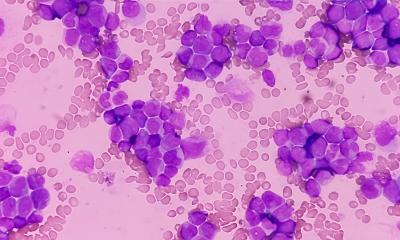
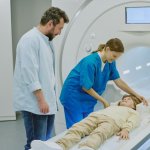
Medical imaging raises blood cancer risk in young patients
Study of 3.7 million children reveals small but significant increased risk of blood cancers from medical imaging radiation, with CT scans posing highest risk



Study of 3.7 million children reveals small but significant increased risk of blood cancers from medical imaging radiation, with CT scans posing highest risk

Dr Ari Melnick has been appointed the new Director of the Josep Carreras Leukaemia Research Institute by the Board of Trustees. The institute specialises in biomedical research and precision medicine in the field of leukaemia and other hematologic malignancies.
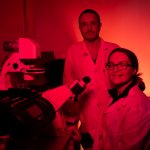
Light can change biological processes and affect health. For example, new research finds that red light can lower rates of blood clots that can cause heart attacks, lung damage and strokes.
Treating patients with Hodgkin lymphoma with a different form of chemotherapy shows promise to reduce severe side effects, shorten hospital time and increase likelihood of recovering fertility.

Researchers have succeeded in identifying patterns of response to treatment in patients with multiple myeloma using AI tools, which helps to accurately predict the evolution of the tumor.
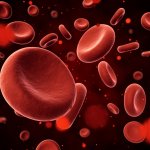
Researchers identified the genetic background of the previously known but mysterious AnWj blood group antigen. The findings allow identification and treatment of patients lacking this blood group.
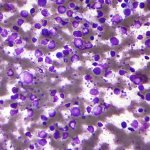
Using genomic sequencing data, researchers have created personalised simulations of individual patients that can quantify the impact of genetic mutations on cancer cell behaviour.
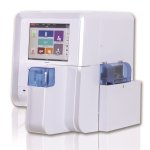
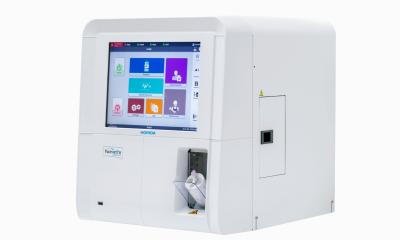
Analytical and measurement technology specialist Horiba has expanded its compact hematology instrument range with the launch of new models with Erythrocyte Sedimentation Rate (ESR) on board.
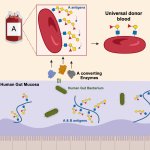
Donor blood is a scarce and valuable resource. Researchers aim to mitigrate this by using enzymes to remove specific sugars that make up the A and B antigens in the human ABO blood groups.
Bringing digital pathology together with novel multiplexed staining techniques may answer key questions about complex diseases. Pathologist Lukas Marcelis, MD, PhD, believes such combinations of technology will have benefits for clinicians and patients and can help unravel some of the mysteries surrounding a range of conditions.
Certain genetic features are crucial for treatment decisions for AML leukaemia. A team from Münster shows how an AI-based method can predict these features from images of bone marrow smears.
A high sensitivity blood test can improve diagnosis for one in five patients who have a heart muscle injury, according to new research.

A mechanism that led some patients to experience cases of deadly clotting following some types of Covid-19 vaccination has been identified in new research.
Using data from more than 400,000 individuals, researchers have created a platform for predicting the risk of developing blood cancers such as acute myeloid leukaemia over a 10-15-year period.

ETH Zurich molecular biologist Mandy Boontanrart is researching gene therapies that could be used to cure two of the most common types of inherited anaemia: beta thalassaemia and sickle cell anaemia.
Research by the University of Southampton has shown that repeated Covid-19 vaccination increases the ability of lymphoma patients to prevent infection from the virus, particularly after four doses.

Results from a large European study reinforce the use of Extracorporeal photopheresis (ECP) in heart transplant patients as a treatment for heart transplant rejection and prevention of rejection.
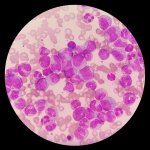
AI could find critical biomarkers that predict non-response to conventional treatment in patients with chronic myeloid leukaemia (CML) more quickly, researchers in Singapore find.
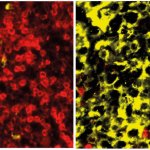
A team of scientists has successfully generated genetically defined mouse models for two subtypes of multiple myeloma. This will contribute to a better understanding of how the disease develops in humans.