



News • Assessing infection risk
Predicting neonatal sepsis with vaginal microbial swabs
A new study shows that analyzing bacteria from vaginal swab samples taken at delivery could help predict the risk of neonatal sepsis.

A new study shows that analyzing bacteria from vaginal swab samples taken at delivery could help predict the risk of neonatal sepsis.

Due to its rapid spread in the abdomen, ovarian cancer is often only detected at an advanced stage. Now, scientists have discovered how this cancer takes advantage of other cells for metastasis.

Researchers have discovered that amyloid-β deposits - similar to those found in Alzheimer’s disease - may contribute to the development of preeclampsia during pregnancy.

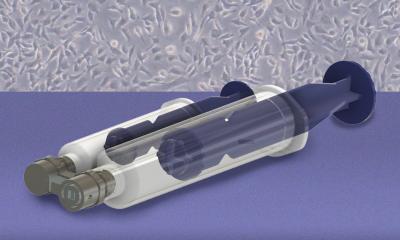
A first-time mother has about a 30% chance of complication in the second stage of labour, requiring assisted delivery or emergency C-section. A new device could help reduce birth trauma.

A first-of-its-kind study could lead to quicker and more targeted support for vulvodynia - a painful chronic condition estimated to affect more than one in 10 women with no known cause.

Researchers have designed a tiny robotic catheter, steered from outside using magnetic fields. The device has the potential to improve infertility treatments, without damaging delicate tissue.

Not all PCOS is the same: Researchers identified four subgroups with distinct symptoms and different responses to treatment – opening the door to precision medicine for millions of women worldwide.

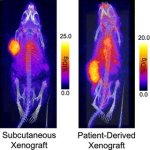
Researchers explored two promising new biomarkers as potential radiotheranostic targets for endometrial cancer. This could help identify patients who are likely to respond to targeted therapeutics.

Hospitalists face a dual challenge when a critically ill pregnant patient is admitted to a hospital: providing safe and effective treatment for both mother and fetus. At the annual meeting of the Society of Hospital Medicine (SHM) in Las Vegas, an expert discussed why hospitalists must draw on a variety of skills when treating pregnant inpatients.

Postpartum hemorrhage is a leading cause of maternal death. A new method could help predict which women experiencing severe bleeding after giving birth most likely need life-saving interventions.

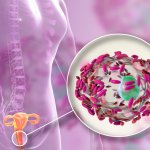
The vaginal microbiome is a largely overlooked area of medicine that could dramatically improve outcomes for common infections, infertility and even cancer for millions of women, a new review finds.

Defining four different immunologic subtypes of recurrent ovarian cancers, researchers pave the way for more personalized treatment.

When should preventive mastectomy be offered for women at higher risk of breast cancer? A new evaluation model defines thresholds at which risk reducing surgery should be recommended.

Maternal contractions during childbirth put considerable stress on a baby's heart. Using a new ultrasound technique, researchers were able to predict complications necessitating C-section.

A new method for predicting the risks of severe injuries during childbirth could improve care and reduce long-term complications for women.

Pinar Bor is a clinical professor of gynecology at the Department of Clinical Medicine at Aarhus University, where she conducts research aimed at improving the quality of life for women suffering from prolapse and urinary incontinence - conditions that often arise after childbirth and can have long-term consequences.

Infection with the human papillomavirus (HPV) is the most common cause for cervical cancers. Now, researchers have developed a promising therapeutic vaccine against precancerous lesions.

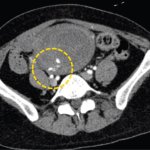
Ovarian cancer is common and often only detected by chance. A newly developed AI-based model could help differentiate between benign and malignant ovarian lesions.

More than half of pregnant women in the UK with gestational diabetes are unaware of their condition due to insufficient diagnostics, a study suggests. This could lead to unneccessary complications.