

News • Substance use among healthare professionals
Doctors on drugs (and how it affects patient care)
Alcohol, cannabis and psychostimulants: A new study explores how healthcare professionals perceive that their own substance use affects their work.

Alcohol, cannabis and psychostimulants: A new study explores how healthcare professionals perceive that their own substance use affects their work.

Can a Covid-19 vaccination reduce fertility? A new study from Linköping University finds no evidence to back up rumours naming vaccinations as a cause behind a decrease in childbirth.

Even after a blood clot is removed from a large brain artery via thrombectomy, administering the thrombolytic drug alteplase to the area may improve stroke recovery, a new trial from Spain shows.

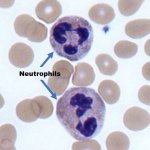
A new study into the long-term health impacts of coronavirus has found changes in the blood after Covid-19 that might pinpoint patients at risk of ongoing lung disease.

Brain fog explained: People with ME/CFS and long Covid experience a disruption to their brain connectivity during a mentally demanding task, new research finds.

From volcanic activity to the deaths of millions: Using climate data and documentary evidence, researchers have painted a detailed picture of how the Black Death pandemic reached Europe.

Many women over 50 schedule mammograms for breast cancer but miss out on CT lung cancer screenings they're also eligible for. Targeted outreach coul help change this, a new study shows.

How can hospital design help adapt to pandemics and climate emergencies? To explore new solutions for smart and sustainable healthcare, experts from Taiwan and Sweden shared their experiences.

Current scores to assess the severity of illness in ICU patients often fail in international contexts. Researchers now call for a global scoring system based on universally available data.

New research reveals why women with long Covid — especially those who develop chronic fatigue syndrome — tend to experience more severe and persistent symptoms than men do.

A biosensor that identifies volatile organic compounds (VOCs) in exhaled breath could be used in conjunction with AI to detect various thoracic cancers including lung cancer.

An innovative Group A Streptococcus “One-Step Antigen Extraction + Detection” Kit (immunochromatography), developed by GenSure Biotech Inc., has successfully obtained both Class B and Class C EU IVDR certifications for in vitro diagnostic medical devices.

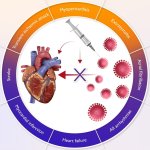
After a bout of influenza or Covid, the risk of heart attack or stroke may rise dramatically, and chronic infections may increase the long-term risk of serious cardiovascular disease events.

Chronic fatigue (ME/CFS) affects millions worldwide, but is poorly understood and has long lacked reliable diagnostic tools. Now, a new blood test claims to diagnose the condition with 96% accuracy.

Dizziness upon standing up or during exertion: Postural orthostatic tachycardia syndrome (POTS) affects almost a third of patients with severe long Covid, a new study finds.

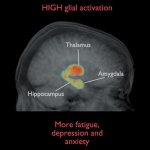
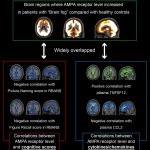
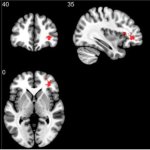
New insights on the mechanisms that cause “brain fog” in Long Covid patients: Researchers use a specialized brain imaging technique to identify a potential biomarker and therapeutic target.

Blood vessels become stiffer with age, but a new study suggests that a Covid infection could accelerate this process, increasing the risk of cardiovascular disease, including stroke and heart attack.

Doctors wear white – but did you know that was not always the case? A new review explores the effect of attire color on patient trust, and persistent misidentification of female doctors.

After an infection with the coronavirus Sars-CoV-2, the virus is able to persist at low levels in the brainstem, new research finds. This helps explain some of the enduring neurological symptoms.

Common respiratory infections such as influenza and Covid-19 can awaken dormant breast cancer cells that have spread to the lungs, setting the stage for new metastatic tumors, new research finds.

Melanoma testing could one day be done at home with a skin patch and test strip with two lines, similar to Covid-19 home tests, according to University of Michigan researchers.

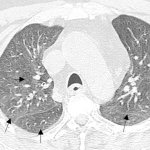
CT imaging is important to detect residual lung abnormalities after a Covid-19 infection. To avoid confusion with interstitial lung diseases, experts from 14 countries published a best-practice guide.

Hand hygiene is among the most effective ways of infection control. Yet, a new study finds that a worrying number of people do not wash their hands after using a hospital toilet.

When someone is infected with a virus, traces of it are shed in their bodily waste and end up in the sewage system. Thus, combined wastewater and individual testing can benefit public health response.

Covid-19 has intensified domestic violence rates worldwide, with children among the most vulnerable victims. At the ECR 2025 radiology congress in Vienna, Dr Rick R. Van Rijn presented compelling insights into how radiologists can identify non-accidental trauma (NAT) in children through systematic imaging approaches. From comprehensive skeletal surveys to specific neurological imaging protocols,…

A virtual medical receptionist named “Cassie,” developed through research at Texas A&M University, is designed to transform the way patients interact with health care providers.

Machine learning (ML) for personalised care, large language models for empathy training of cardiologists, wearable sensor data for better screening, and more: Digital technologies hold great potential to improve diagnosis and treatment of patients with atrial fibrillation (AF). At the ESC 2024 cardiology congress in London, four experts explored the benefits of new solutions and pointed out…

COVID-19 vaccination reduces risk of dialysis and death in patients hospitalized with COVID-related acute kidney injury (AKI), new UCLA research shows. Vaccinated patients were less likely to require ongoing dialysis and more likely to survive after discharge than unvaccinated patients.

If data used to train AI models for medical applications differs from the real-world data, it could lead to patient harm. A new study found proactive strategies to mitigate such data shifts.

A US research team has shown that Sars-CoV-2 can “reprogram” pathogen-fighting white blood cells into immune system suppressing cells — a potential mechanism by which severe Covid may arise.

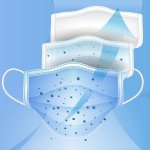
After the Covid-19 pandemic, face masks have become less common. However, those who still need to wear a mask often suffer from discomfort due to restricted breathing. New research could change this.

A gene once believed to fight only viral infections could also hold the key to preventing memory loss in Alzheimer’s patients, a new study finds. This paves the way for new drug developments.

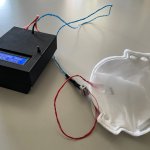
Researchers incorporated a specialized breath sensor within the fabric of a face mask to detect metabolites associated with chronic kidney disease. Initial tests showed promising results.

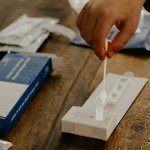
During the Covid-19 pandemic, everyone became familiar with lateral flow tests. These tests generate a lot of plastic waste, creating an environmental crisis. Experts call for urgent action.

Transmission of tuberculosis (TB) in the European Region is still ongoing, and immediate public health measures are needed to control and reduce the growing burden of the disease, experts urge.

The virus behind Covid-19 initially causes acute lung injury and respiratory failure. However, new evidence indicates the virus also involves inflammation that can affect the cardiovascular system.

A new study has shown that the molecular signature of long Covid can be found in blood samples of children. Using an AI tool, the researchers were capable of diagnosing the condition with 93% accuracy.

Self-reported, persisting health problems after Sars-CoV-2 infection are commonly described. However, the long-term prognosis of post-Covid-19 syndrome is unknown. A new study aims to change this.

The WHO lists vaccine hesitancy as a major threat to global health, but what exactly is it, and how can it be addressed? New research into these questions could open up ways to approach this issue.

Paediatric brain tumours are difficult to diagnose and treat – especially, when delays occur. A new study explored the impact of the Covid-19 pandemic on children with brain tumours.

"Negative" results are good, and CAT scans are taken without felines: Medical jargon can be confusing for children, so pediatrics experts call for clearer language to avoid invoking fear.

The Covid-19 pandemic was handled very differently across European healthcare systems. To better prepare for future crises, scientific experts from 13 European countries reviewed key lessons learned.

A new way to inhibit the proliferation of Sars-CoV-2 opens up new perspectives in the fight against this coronavirus and other viral diseases that still have no medical treatment.

A wearable electrical nerve stimulation (TENS) device, which uses low-voltage electrical currents, could help reduce pain, fatigue, and mobility issues associated with long-Covid, a new study finds.

Exposure to air pollutants (PM2.5 and PM10) is associated with an increased risk of persistent long-Covid symptoms, partly due to its impact on the severity of the acute infection, a new study shows.

After a Covid-19 infection, patients may suffer from a variety of symptoms, including difficulty concentrating (“brain fog”). New research now linked the condition to impaired lung function.

Remote medical interpreting saw a huge boost during the Covid-19 pandemic – but despite its benefits, the technology could also have a negative impact on healthcare communication, experts argue.

People who have been fully vaccinated against Covid-19 have a significantly lower risk of developing more severe cardiovascular conditions linked to Covid-19 infection, a new study shows.

Many aspects of long Covid are still poorly understood, so many sufferers have turned to self-monitoring via wearables. New research explores the benefits and drawbacks of this approach.

Immunocompromised patients are at greatest risk of developing severe Covid-19 after an infection. While early antiviral treatments yield best results, even late-onset therapies still show benefits.

When the cardiologist cannot come to the patient, a robot arm might do the trick: New research shows the potential of echocardiograms performed remotely using robot arm technology and a 5G network.

Protection from established Covid-19 vaccines wanes relatively quickly. A new vector vaccine elicits prolonged immune response in animal models, and maintains its efficacy over extended time.

Brazilian researchers have identified a key mechanism of Sars-CoV-2 to manipulate its host’s immune defense. This discovery could pave the way for the development of novel therapies.

Infections caused by antibiotic-resistant (AMR) bacteria are a major issue in hospitals. A new technique aims to effectively track all types of relevant microorganisms simultaneously.

Can a mouthwash-based test help predict head and neck cancer recurrence? A new study suggests it might.

Extensive and moderate, or short and intense? New research suggests which approach to physical exercise is more effective for improving fitness among people recovering after a stroke.

Many medicines require cold storage, which is a challenge for infrastructure and sustainability. Now, researchers designed a hydrogel protecting therapeutics at temperatures as high as 50°C.

As opportunities for teleoperations rapidly expand within radiology, the concept is being deployed across an array of modalities to deliver more efficient healthcare. A range of speakers covered the topic of ‘Teleoperations in radiology’ at ECR2024, discussing its benefits in applications in MRI, ultrasound, during the social restrictions of the Covid-19 pandemic and military use. However,…

As demand for innovative healthcare solutions is at an all-time high, Medical Taiwan once again attracted a record number of visitors for its 2024 edition. The show’s organizer, the Taiwan External Trade Development Council (TAITRA), proudly reported an increase in attendance by 10% compared with the previous year. During the three-day event in Taipei, the audience was treated to a wide range…

Integrating bacterial genomic data with detailed human mobility data makes it possible to see how pathogens causing pneumonia and meningitis, move between regions and evolve over time.

A new radiotracer enables positron emission tomography (PET) scans to be used for the first time to accurately pinpoint when and where tuberculosis (TB) is still active in a patient’s lungs.

Although the Covid-19 pandemic is behind us, healthcare facilities continue to experience workflow challenges and resource constraints impacting women’s health and a patient’s ability to receive a timely diagnosis. Clinical specialties like breast radiology and cytology are especially susceptible to these issues and continue to experience backlogs, which impact their ability to deliver timely…

Tackling standardization of molecular pathology at a European level remains a major challenge, according to speakers at the 35th European Congress of Pathology in Dublin. One leading expert warned it would be ‘very difficult’ to achieve, though the session also heard about potential solutions such as educational steps to consistently train future pathologists at a high and consistent level.

Cancer care that utilizes telehealth and local care would generate 33.1% less greenhouse gas emissions than the traditional model, new research finds.

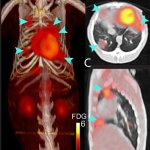
The IRCCS in Bologna has inaugurated a state-of-the-art integrated PET/CT system. This cutting-edge technology allows for the entire human body to be studied in a single scan, even detecting the smallest tumour cells.

For many, the term “metaverse” evokes images of VR headsets and the rebranded company behind Facebook – but can the digital parallel universe provide actual benefits for healthcare? Dr Anke Diehl has studied the technology intensively and recognises significant potential for medical applications. However, the expert for digital transformation at Essen University Medicine, Germany, cautions…

When point-of-care testing (POCT) models for diagnosing infectious disease are effective, the quality of pathology results can be equivalent to laboratory tests, new research shows.

A new interdisciplinary research group explores issues of explainability and comprehensibility of AI in medicine – and who is responsible when something goes wrong.

Burnout, fear of infection, lack of support: One in three doctors and nurses considered leaving their job, or the healthcare profession altogether, during the Covid-19 pandemic, a new study shows.

When people are ill, they feel less empathy for others than when they are healthy. This has been confirmed in a new study conducted by Ruhr University Bochum and the University of Duisburg-Essen.

A new approach to vaccine development could produce vaccines before the disease-causing pathogen – such as a new variant of the coronavirus Sars-CoV-2 – even emerges.

The world has hardly processed Covid-19, so the thought of another pandemic is far from pleasant. Yet, infectious disease experts have picked the most likely candidate in a new survey.

New research provides cause for optimism that long Covid can resolve over time. Following people from the first wave of Covid-19, it monitored the longevity of immune abnormalities after an infection.

Findings from the largest UK study of patients hospitalised with Sars-CoV-2 infection show that long Covid leads to ongoing inflammation which can be detected in the blood.

Decreased rates of death and stroke: new research shows the validity of transcatheter aortic valve replacement in low-risk patients. This advocates a less invasive alternative to surgical options.

A recent suggestion to stop using the term ‘long-Covid’ may have been well-intentioned, but could ultimately do more harm than good, experts point out.

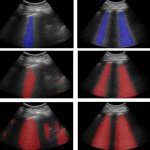
Using ultrasound imaging to detect Covid-19 infections, a new automated detection tool could help doctors in the emergency room diagnose patients quickly and accurately.

Patients who are suffering from aftereffects of a coronavirus infection often receive the diagnosis 'long Covid'. However, new research presented at ECCMID 2024 calls that term into question.

Awareness of the importance of women’s health is on the rise, but many challenges remain: At ECR 2024 in Vienna, we spoke with Hologic about their continued evaluation of healthcare efforts for women. At the congress, the company also shared how AI could be used to mitigate the effects of medical staff shortage.

Pulse oximeters delivering poorer results in people with darker skin tones, underdiagnosis of cardiac conditions in women: some medical devices are not as fair as the ought to be, a new review finds.

Most head and neck tumours are discovered in late due in part to the fact that there is no established method for early detection. To close this gap, a team at oncgnostics, a biotechnology company based in Jena, Germany, is participating in a study which aims to develop an early detection test.

New study results explore the long-term effects of infection with Sars-CoV-2, and challenge the idea that vaccine immunity fades quickly.

Gender inequality, poor work-life integration, lack of support: female medical professionals are exposed to greater levels of stress and are more prone to burnout than men, a new study finds.

How does a coronavirus infection cause neurological symptoms such as headaches, memory problems, and fatigue? A new study points to a different reason than previously assumed.

A new way to analyze blood samples for suspected sepsis gives doctors test results two days earlier than before – a head start that could mean life or death for patients.

In a new article, digital health experts discuss how medical data from citizens could be used for research in the future while respecting personal rights.

During the Covid-19 pandemic, Switzerland relied on contact tracing to identify people likely to have been contaminated by an acquaintance. A research team assessed the effectiveness of this method.

On the occasion of World Cancer Day on February 4, the Union for International Cancer Control points out persisting care gaps across Europe due to disparities in income, education and other factors.

Coronavirus vaccines have showcased the possibilities of messenger RNA (mRNA) technology. Now, a research team aims to put it to use against a rare inherited metabolic disorder.

Researchers from the University of Southampton investigated how ultraviolet laser light destroys the coronavirus Sars-CoV-2 by impacting components critical for infection.

Given the limited success of traditional therapies for depression, recent years have witnessed the emergence of technology-based interventions. One such intervention is transcranial electromagnetic stimulation (TMS).

The largest-ever study of patient views on online GP consultations saw a strong backing for the new option. Important benefits named were greater convenience and flexibility, but also efficiency.

Clinicians tend to disregard patient self-assessments for their diagnostic decisions, new research suggests – a mistake that might cause those patients unnecessary harm.

A new, large-scale study from Sweden underlines the importance of vaccination against Covid-19: The research shows that an infection raises the risk of heart rhythm disturbances.

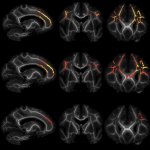
Using diffusion MRI technology, researchers in Sweden have found differences in brain tissue structure between patients with persisting symptoms after Covid-19 and healthy people.

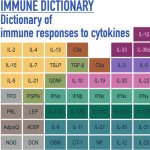
Scientists map the effects of 86 immune-signaling molecules called cytokines on every major immune cell type, creating a reference for studying the inner workings of the immune system.

Being overweight – not just being obese – can increase Covid-19 severity. the elevated BMI creates an impaired antibody response to SARS-CoV-2 infection but not to vaccination, new research finds.

The Covid-19 pandemic has affected scientific research in numerous ways – for example by highlighting knowledge gaps in gender medicine. In many studies differences in morbidity and mortality between women and men surfaced incidentally. While the extent and causes of these differences remain largely unexplored, the preliminary insights confirm the need for further research.

Researchers have developed a method for assessing the number and structure of aggregated blood platelets (or thrombocytes) that can potentially help quantify the risk of a severe Covid-19 infection. As a result, they have identified a predictive biomarker for the seriousness of a Covid-19 infection. This will allow physicians to adjust treatment at an early stage. The researchers used a method…

AI features for automation, integrated systems and more: the role of medical technology has never been as vital as today, and MedTech companies from Taiwan are putting their best foot forward to contribute. At the 2023 Medica trade fair, visitors of the Taiwanese pavilion not only had the opportunity to see the latest medical products on display, but also get acquainted with Taiwanese culture in…

Cedars-Sinai Medical Center, a non-profit hospital and medical research institution in Los Angeles, is setting new standards for quality and innovation in patient care by successfully introducing typing of Candida auris species – a procedure that could prove crucial in protecting patients from infection outbreaks caused by these microbes in healthcare settings.

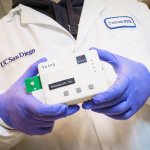
A team of researchers has developed a handheld, non-invasive device that can detect biomarkers for Alzheimer’s and Parkinson’s Diseases. The biosensor can also transmit the results wirelessly.

Ultrasound technology now plays a vital role in clinical diagnosis and management. Significant advances in point-of-care ultrasound (POCUS) have made it a versatile tool for assessment, diagnosis, and follow-up across various fields. New developments continue to expand its applications, improving patient care and outcomes.

In a new study, researchers use a very large dataset to identify predictive brain imaging-based biomarkers of mental illness in adolescents.

The Wallonia Export & Investment Agency welcomes the entire spectrum of the MedTech Industry on the Belgium Pavilion at Medica 2023 (Nov 13-16).

Surgery to straighten a crooked septum (the thin wall of bone and cartilage dividing the space between the two nostrils) is more effective than nasal sprays, a new study suggests.

Sure, AI still has a long way go. But maybe one day in the not-so-distant future, AI will provide us with information about our current state of health, such as the number of red blood cells, cholesterol levels, fat percentage, and how many seconds last night's beer will shorten our life expectancy.

A mechanism that led some patients to experience cases of deadly clotting following some types of Covid-19 vaccination has been identified in new research.

A new study on public health communication shows that the term commonly used to describe bacteria resistant to current medicines or antibiotics fails to stick in people’s memories.

Researchers from Osaka University present a novel technique to detect different coronavirus variants quickly, including fast-spreading strains present in human saliva.

A new study found that the antibody response of infants and young children against Sars-CoV-2 deviates from that of adults in a small, but very significant way.

Stark inequalities in diagnosis and treatment of four of the most common heart conditions in the UK have been revealed in new research led by a team at the University of Leeds.

New research from Copenhagen University Hospital – Rigshospitalet and Herlev and Gentofte Hospital has shed new light on the immune system’s complex struggle against the coronavirus.

The enhanced infection safety measures installed for the Covid-19 pandemic also had a beneficial effect on hospital-acquired infections (HAIs) overall, a new US study suggests.

For their contributions to developing mRNA vaccines to fight Covid-19, Katalin Karikó, PhD, and Drew Weissman, MD, PhD, have been jointly awarded the 2023 Nobel Prize in Physiology or Medicine.

Being able to rely on a quality, safety-engineered device for blood collection allows staff to perform their tasks with the minimum of fuss. Nurse Constance Mak talks about the benefits of closed collection systems.

A new molecular test for bacteria and viruses, including Sars-CoV-2, has been developed at the University of Surrey, as they warn that the world needs to be prepared for the next pandemic.

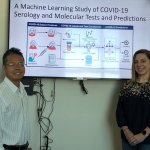
Researchers from Rutgers University developed a way to help hospitals identify life-threatening Covid-19 cases using machine-learning software. The algorithm identified six crucial parameters.

A research team led by the Institute for Bioengineering of Catalonia (IBEC) and Hospital del Mar has conducted a study to analyze cough sounds recorded by smartphones in patients with Covid-19.

The commonly-held belief that attempting to suppress negative thoughts is bad for our mental health could be wrong, a new study from scientists at the University of Cambridge suggests.

New research from Lund University has found a suprisingly high incidence of sepsis across hospital admissions. The experts say that the condition can be likened to an epidemic.

New research finds the use of an electric field a promising means to prevent aerosol spread of viruses in healthcare environments, for example during surgery.

Two new studies based on a large-scale cohort in Denmark explored the side effects of the coronavirus vaccine – one focused on acute effects, the other on a women's health issue.

Patients with immunodeficiency cannot benefit from conventional Covid-19 vaccines and still at risk from infection. A promising new approach now brings hope for this patient group.

Rates of Covid-19 are decreasing and many healthcare workers stop wearing face masks. However, that may not be such a good idea, a new commentary from US experts suggests.

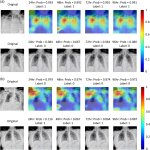
Researchers from the University of Chicago developed a deep-learning model to assess chest X-ray radiographs for probable Covid-19 severity.

Researchers in France identified changes to the immune memory after infection with the Omicron BA.1 variant in thrice-vaccinated patients. The remodeling actually works to the patients' benefit.

A family physician at Tufts University School of Medicine offers advice for how to treat allergies and how to tell if symptoms are due to allergies, the common cold, the flu, or Covid-19.

Under the impulse of the European Commission, the in vitro diagnostic industry is developing emerging technologies to implement sustainable practices in medical laboratories. As sustainability has been a growing priority of the European Union (EU) in the last decade, ‘the medical technology sector, particularly the IVD sector, must comply with European legislation in this field like all other…

Global healthcare consumes millions of tonnes of single use plastic every year. A team at the University of Birmingham is taking on this sustainability challenge.

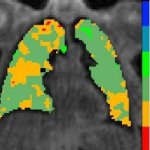
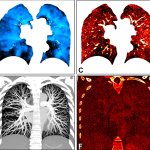
Photon-counting CT allows for a comprehensive, simultaneous evaluation of lung structure and function, something not possible with standard CT, according to a new study.

Combining aerosol sampling and ultrasensitive biosensing, researchers have created a real-time monitor that can detect any of the Sars-CoV-2 virus variants in a room in about 5 minutes.

Do coronavirus vaccines skew the menstrual cycle, cause more bleeding or pain? Anecdotal reports hint at a connection. Now, a new study led by Boston University provides answers.

Research by the University of Southampton has shown that repeated Covid-19 vaccination increases the ability of lymphoma patients to prevent infection from the virus, particularly after four doses.

Post-pandemic problems, ageing societies, the impact of climate change on human health: To find solutions for new and ongoing healthcare challenges, thinking outside the box is crucial. This year’s Medical Taiwan Health & Care Expo took this approach to heart: True to its motto “beyond healthcare”, the event showcased a wide range of innovative products, promising start-up presentations…

A new publication discusses deep-ultraviolet (DUV) photonics for the disinfection of Sars-CoV-2 and its variants (Delta and Omicron) in the cryogenic environment.

Iodinated contrast media (ICM) enhance CT imaging, but its single-dose packaging is increasingly proving at odds with modern, more sustainable imaging practices. New award-winning research by a radiology resident and faculty members at Vanderbilt University Medical Center in Nashville, Tennessee, proposes a promising alternative: A switch from using single-dose injectable contrast media kits to…

An MRI invention from engineers at the University of Waterloo reveals better than many existing imaging technologies how Covid-19 can change the human brain.

Gentle cleansers are just as effective in killing viruses – including coronavirus – as harsh soaps, according to a new study from scientists at the University of Sheffield.

Today, a large part of all further medical treatments is based on the results of laboratory analyses. The demand for complex test procedures remains high and the challenges for laboratories are growing.

A new study from Munich reveals: Whether patients are able to correctly assess risks depends partly on how physicians convey statistical information to them.

One day, the ultrasound equipment that health care professionals use for diagnostic imaging may no longer be confined to the clinic, instead operated by patients in the comfort of their homes.

Chatbots are increasingly becoming a part of health care around the world, but do they encourage bias? New research from the University of Colorado School of Medicine hints at this possibility.

Surgeons will need to tackle three major challenges with the most potential to reduce major causes of death and improve access to surgical care, according to an international group of experts.

A study led by the National Institutes of Health’s RECOVER Initiative and supported by NYU Langone Health provides an expanded working definition of long Covid.

German researchers have now investigated whether there is a temporal association between infection with the Sars-CoV-2 virus and the development of type 1 diabetes.

The "Future Pavilion", an immersive experience that showcases the latest in smart medical and digital health products and services, will be presented at Medical Taiwan (June 8-10).

Protection offered by Covid-19 vaccination declines more rapidly in people with severe obesity than in those with normal weight, scientists at the Universities of Cambridge and Edinburgh have found.

A new online ‘European Cancer Pulse’ tool, created to compare cancer data across Europe, has highlighted that only 12 of the 27 EU Member States have an up-to-date national cancer control plan.

Researchers have succeeded in introducing a vascular system into tiny living and beating model human heart muscles, an achievement which it's hoped will accelerate progress toward the ultimate goal of repairing damage from heart disease.

A study by investigators from the Mongan Institute at Massachusetts General Hospital shows serious effects in many aspects of the lives of health care workers due to the pandemic.

Getting vaccines to people who need them isn't always easy. Many vaccines require cold storage, making it difficult to ship them to remote areas that don't have the necessary infrastructure.

People living with long COVID who suffer from loss of smell show different patterns of activity in certain regions of the brain, a new study led by UCL researchers has found.

Mammography has been an essential imaging technology for breast cancer detection for decades. As the industry has continued to innovate, one advancement in mammography has particularly changed the landscape of breast imaging: digital breast tomosynthesis (DBT), also known as 3D mammography.

Messenger Ribonucleic Acid (mRNA) as a therapeutic approach is gaining momentum due to its ability to be rapidly manufactured and its promising outcomes.

New research has found molecular signature differences in the blood of patients who fully recover from Covid-19 and those who develop long Covid.

As ChatGPT becomes more popular among those seeking health advice, researchers try to find out whether the information provided by the AI chatbot is reliable and accurate.

A Dutch trial for Covid-19 drug research will be the country's first to enable patients to digitally consent to their participation. It is hoped that this will reduce delays in trial enrolment.

Among all but oldest age groups, the US has higher death rates than five high-income European nations, according to new UCLA research. However, this gap is only partly due to Covid-19.

US scientists report using a single-atom-thick nanomaterial to simultaneously detect Covid-19 and flu viruses — at much lower levels and much more quickly than conventional tests for either.

The 2022 summer heatwave resulted in a fifth of UK hospitals being forced to cancel operations during the three days when temperatures soared, a new study reveals.

Interactive mobile apps have become ubiquitous in daily life. The Covid-19 pandemic has escalated the use of disease-specific monitoring apps. Mobile apps enabling cancer patients to self-manage their physical condition and symptoms can help them to evaluate toxic side effects of their treatments, offer artificial intelligence (AI)-generated recommendations to minimize them, and alert them to…

New research suggests most people don’t understand the difference between a preprint and a published academic journal article. Here is the distinction between the two – and why it is important.

Predicting a Covid-19 infection from the sound of a cough? Researchers found that technology using Machine Learning performed no better than simply asking people to report their symptoms.

Climate change will impact health and complicate access to care for the most vulnerable, but radiologists can do more than just sticking to their jobs. They should step outside the confines of their specialty and promote health and wellbeing in their communities, an eminent American radiologist explained at the annual meeting of the Radiological Society of North America (RSNA).

ECR 2023 returns to its traditional date in March, but delegates can expect novelties with sessions touching not just cutting-edge science, but also archaeology and palaeontology, and putting trainees in the spotlight, Congress President Professor Adrian Brady told Healthcare in Europe in an exclusive interview.

True or false: Webcams have only recently been introduced in neonatology and are a patient-side component of the Digital Health Portfolio. False! Already in 1989, Professor Dr Roland Wauer at Charité Berlin built his DIY system to transmit images from the neonatology ward.

January 28 saw the celebration of the “Data Protection Day” as it is called in Europe, or respectively the “Privacy Day” as it is referred to outside of Europe. It marks the date on which the Council of Europe’s data protection convention, known as “Convention 108” was opened for signature back in 1981. According to the Council of Europe, it is the ‘only international,…

A new mathematical model developed by Hokkaido University engineers uses wastewater samples to effectively forecast the number of clinical Covid-19 cases in a community five days in advance.

Researchers have developed an inhalable powder that could protect lungs and airways from invasion from the coronavirus or flu viruses by reinforcing the body’s own mucosal layer.

Nurses who worked in critical care during the Covid pandemic are at an increased risk of mental health problems, according to a new study.

Photon-counting detector CT reduces the amount of contrast needed for CT angiography (CTA) while maintaining image quality, according to a new study published in Radiology: Cardiothoracic Imaging.

The European Football Championship in 2021 had an impact on the participating countries' coronavirus infections, a new study shows. However, the extent depended greatly on the initial situation.

Canadian researchers are developing a new, ultra-sensitive biosensor to screen for Alzheimer’s disease and other diseases. The device has successfully completed the proof-of-concept stage.
The Netherlands Cancer Institute (NKI) will deploy a diagnostic platform from digital and computational pathology solutions provider Proscia, the company announced.

A novel imaging agent can reduce the number of false-positive PET/CT findings among cancer patients recently vaccinated for Covid-19. This may mitigate the issue of tracer uptake in lymph nodes associaed with the vaccine.

After an infection with SARS-CoV-2, some people fail to recover their sense of smell. US researchers took a closer look at the olfactory nerve cells to find the reason for Covid-19-induced anosmia.

A new study has found that antibodies produced in the nose decline nine months after Covid-19 infection, while antibodies found in the blood last at least a year.

Identification of elderly persons at risk of developing cognitive impairment and dementia could be made possible by examining ergothioneine levels in the blood, researchers from Singapore find.

Time for modernisation: The current model for randomised clinical trials must be redesigned for the 21st century, according to leading European and American cardiology societies.
Covid-19 vaccinations that combine two or more distinct variants of SARS-CoV-2 could offer protection against current and future ‘variants of concern’, say scientists from UK and Austria.

A new study demonstrates that AI models, using symptom and demographic features, can help predict Covid-19 infections, providing a way for rapid screening and cost-effective infection detection.

Racism, xenophobia, and discrimination are important influences on health globally, but have so far been overlooked by health researchers, policymakers, and practitioners, finds new research.

In their pursuit of solutions for pandemic challenges, a US hospital system applied telemedicine principles to respiratory therapy – with impressive results.

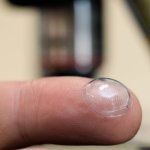
A pioneering ‘smart contact lens’ to test the eye in a quick, non-invasive way could prevent deaths caused by fungal eye infections in developing countries.

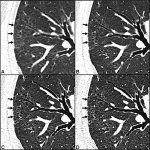
A promising new application for photon-counting CT: The new technology outperforms conventional CT in detecting subtle damage in the lungs of patients with persistent symptoms of Covid-19.

The General Data Protection Regulation (GDPR), which came into force in 2018, has reinforced the European Union’s (EU) reputation of being comparatively strict regarding the protection of personal data within its member states. While the GDPR is generally considered a success, setting standards even outside its jurisdiction, critical voices are becoming louder.
Adults with asthma had, at one point, an approximately doubled risk of a severe asthma attack after Covid-19 restrictions were relaxed in the UK, according to new research.

Eunsin Bae, M.D. specializes in laboratory medicine and leads the Institute of Clinical Research at Seegene Inc. Her research focuses on microbiology, molecular biology, and hematology. Dr. Bae is currently working toward implementing a global clinical study and establishing an international network of clinical investigations.
Innovative gastrointestinal imaging, medical panel PCs with hygiene optimisation, smartphone-based diagnostic tools, and sustainable hardware setups: At Medica 2022, manufacturers from Taiwan again showed their capability to adapt and provide solutions for a world radically changed by the Covid-19 pandemic. Under the “Taiwan Excellence” banner, outstanding products from the island nation’s…
The diminished power of the immune system in older adults is usually blamed on the aging process. But a new study shows that decades of particulate air pollution also take a toll.

Using a special type of MRI, researchers have uncovered brain changes in patients up to six months after they recovered from Covid-19, according to a study being presented at the annual RSNA meeting.

During the Covid-19 pandemic, the use of these single-use diagnostics, or point-of-care tests has exploded. This is having major environmental consequences, experts point out.

There is no evidence of higher risk of miscarriage or ectopic pregnancy following vaccination against Covid-19 or infection with the disease, according to a new study.

With an estimated one million cancer diagnoses missed across Europe in the last two years, the impact of the Covid-19 pandemic is predicted to set back European cancer outcomes by almost a decade.

New changes made to the timetable for the In vitro Diagnostic Medical Device Regulation (IVDR) across Europe could have a significant impact on manufacturers and users, an expert points out. While the extension of the transition period was a welcome step, other changes which were hoped for remain painfully absent.

On March 31st, 2022, a city-wide lockdown to curtail the spread of the Covid-19 virus in Shanghai, China, shuttered the GE Healthcare manufacturing facility that produces 80% of the global supply of iodinated contrast media agents iohexol (Omnipaque) and lodixanol (Visipaque). Although the plant was able to operate at 50% capacity by mid-May, the shutdown resulted in a substantial contrast media…

At this year's Medica tradefair, laboratory medicine, medical technology and life sciences give new impulses to the entire healthcare market - especially in times of the corona pandemic. An overview.

A new X-ray technology has been used to identify a link between the damage that severe Covid-19 can inflict on lungs and pulmonary fibrosis, a disease that causes severe scarring of lung tissue.

Until now, it was feared that vaccination against Covid-19 could reduce the success of treatment for patients with nasopharyngeal cancer. A recent study now gives the all-clear in this regard.

Increasing accessibility of remote and home monitoring for patients with pulmonary diseases can help improve treatment and rehabilitation adherence, and support health systems and hospitals in tackling waiting lists. The various advantages of remote monitoring systems will be highlighted in a Medica session focusing on “Preventing chronic diseases with diagnostics and analytics”.

Speed or accuracy? As far as Covid-19 tests go, this was the choice you had to make. In the future, this dilemma could be a thing of the past.

Donor hearts from people who were Covid-19-positive appear to be as safe for transplantation as those from people without Covid-19, according to a new short-term analysis.

Despite treatment, chronic lung diseases such as COPD or cystic fibrosis can become so severe that a lung transplant is necessary. Dr Urte Sommerwerck explains which patients might be considered for transplantation and why follow-up is as important as the surgery itself.

The coronavirus pandemic caused by SARS-CoV-2 and its variants is still a major public safety issue worldwide. The “alpha” variant B.1.1.7, the “gamma” variant P.1, the “beta” variant B.1.351, and the “delta” variant B.1.617 are of particular concern because of their high prevalence. Large-scale vaccination and sensitive detection are vital for preventing the spread of Covid-19.

The coronavirus pandemic is a huge challenge for global public health and welfare. Decentralized, affordable POC MDx platforms would allow more effective control of SARS-CoV-2 and other infections.

Clinician and nurse burnout is a frequently discussed topic in the healthcare community in the wake of the Covid-19 pandemic. According to an analysis of the NHS published earlier this year, more than 400 workers in England have left the NHS to restore work-life balance within this past year. Burnout and cases of post-traumatic stress disorder after working through the Covid-19 pandemic are major…

A vaccine design approach that could protect against new variants of SARS-CoV-2 but also potentially protects against other coronaviruses is one step closer to reality as a result of new research.

A new study finds that virtual care during the Covid-19 pandemic led to a significant reduction in CO2 emissions and patient travel-related expenses, such as gasoline, parking or public transit costs.

Covid-19 has led to global mortality changes unprecedented in the last 70 years, according to new research. However, the drop in life expectancy is not equally high in all countries.

A study in Japan finds antibody response to the Moderna Covid-19 mRNA vaccine does not vary depending on the time of day when the dose was received.

Researchers mapped in detail how the immune system acts against pathogens invading the brain. This sheds new light on host-pathogen interactions and the long-term consequences of brain infections.

Referrals to Cambridge’s long Covid clinic fell dramatically in the period August 2021 to June 2022, which researchers say is likely due to the successful rollout of the vaccine.

Researchers have shown that when brain cells are directly exposed to blood taken from Covid-19 patients with delirium, there is an increase in cell death and a decrease in the generation of new brain cells.

It’s widely known that more than 70% of today’s medical decisions involve the results of laboratory tests, but the insights clinicians derive from these tests today may only be scratching the surface of their potential.

Blood pressure is one of the most basic parameters in any healthcare status assessment and holds considerable diagnostic significance. However, clinicians should never underestimate the complexity behind the assessment, cautions Dr Rhian M. Touyz.

A research group has revealed that SARS-CoV-2 disrupts the vascular endothelial barrier by suppressing the expression of Claudin-5 (CLDN5) to invade the blood vessels.

Driving the healthcare industry towards digital transformation was the main direction of Automa+ 2022. The Congress gathered leaders from hospitals and healthcare providers, pharmaceutical companies, governmental bodies and institutions as well as medical device manufacturers, service providers and start-ups in Zurich, Switzerland on September, 26-27, 2022.

What will the next pandemic look like? Health officials from across the globe gathered in Geneva in late August at a World Health Organization meeting to focus on how lessons learned from Covid-19 might best prepare civilization for the "next one."

How can rapid antigen tests be adjusted to reliably detect future variants of SARS-CoV-2? A research team funded by the National Institutes of Health is currently working on finding an answer.

An international team of researchers advises that strong care needs to be taken not to misuse or overuse machine learning (ML) in healthcare research, despite all of its benefits.

Using a newly launched, comprehensive monkeypox registry, health professionals can share data on the skin symptoms of monkeypox and the vaccine to improve patient care.

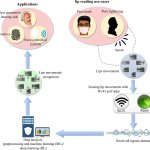
A new system capable of reading lips with remarkable accuracy even when speakers are wearing face masks could help create a new generation of hearing aids.

Dutch global DNA/RNA technology solutions provider MolGen B.V., participates in the 24th Annual Conference of the European Society for Clinical Virology (ESCV) held in Manchester, UK.

A new study could one day help health workers determine whether bacteria of the species Streptococcus pneumoniae, which cause meningitis, are resistant to antibiotics.

According to a new study, robots can be better at detecting mental wellbeing issues in children than parent-reported or self-reported testing.

Artificial intelligence (AI) can be used to detect COVID-19 infection in people’s voices by means of a mobile phone app, according to research to be presented at the European Respiratory Society International Congress.

Vaccination projects across the world are at a pivotal post-Covid moment, according to one of the leading experts in the field. Speaking to Healthcare in Europe ahead of the World Innovation Summit for Health (WISH) congress in Qatar – where vaccination will be a central topic – Dr Jerome Kim said there is an urgent need to regain a ‘positive consensus’ around the value of vaccines. He…

Urine screening tests using only immunoassays are the most common procedures used to identify drug abuse. They are inexpensive, automated, and produce rapid results. But they may generate false-positive or false-negative results, which vary based on the drug, drug class, and the assay used. Hair toxicology analysis is another form of drug testing which, unlike urine tests, enable analysis of drug…

Swiss researchers have demonstrated how sensors could help detect health problems in the elderly at an early stage. This could help seniors to live a self-determined life at home for longer.

Danish smokers bought less tobacco and more quit smoking during the Covid pandemic, new research finds. This comes as a surprise given that mental health and exercise habits waned during the lockdown.

The overall risk of myocarditis is substantially higher immediately after being infected with Covid-19 than it is in the weeks following vaccination for the coronavirus, a large new study shows.

New diagnoses of disorders including psychosis, dementia, seizures and ‘brain fog’ remain commoner two years after Covid-19 than after other respiratory infections, new research finds.

The new test measures the level of neutralizing antibodies in a blood sample and could help people decide what protections they should take against infection.

The prototype device combines eRapid and SHERLOCK technologies into a single, postcard-sized system that can simultaneously detect the presence of both SARS-CoV-2 RNA and antibodies in a patient’s saliva.

A comprehensive assessment of scientific literature has uncovered empirical evidence that more than 58% of human diseases caused by pathogens, such as dengue, hepatitis, pneumonia, malaria, Zika, have been aggravated by climatic hazards.

More than 225,000 tweets with the hashtags #scamdemic and #plandemic led to an “infodemic” of misinformation and disinformation on Twitter during the first year of the pandemic, a new study finds.

The portfolio Philips presented at ECR 2022 revealed that the company not only advanced their products, but also listened to medical professionals and patients – and took their feedback to heart.

Avian flu, MERS, Covid-19, monkeypox: outbreaks of infectious diseases are getting more common in Europe. As a result, the EU must adapt its surveillance strategies and introduce more data-driven, interdisciplinary countermeasues.

Researchers propose a new Covid-19 vaccine that specifically instructs the immune system to produce T-cells rather than antibodies - a promising alternative for people with a weakened immune system.

To monitor the lung function of patients with severe respiratory or lung diseases outside of an ICU, researchers have developed a vest that records noises with integrated acoustic sensors.

Long Covid sufferers have experienced a wider set of symptoms than previously thought including hair loss and sexual dysfunction, new research has found.

As knowledge about Covid-19 advances, so does the arsenal of techniques to predict, diagnose and follow up on the disease. At ECR, researchers presented a range of promising imaging modalities to keep track of Covid-19 symptoms, severity, and mortality, often including AI support to enhance or accelerate diagnostics.

Researchers have developed a new Covid-19 test distribution method that uses drones to quickly deliver at-home diagnostic tests to individuals who suspect they have Covid-19.

A sprayable coating that can prevent the surface spread of infection from bacteria and viruses – including Covid-19 – over a sustained period has been developed by Australian researchers.

Leading radiologists have debated whether working from home is a blessing or a curse amid the evolving impact of teleradiology. In a hybrid ECR session examining working from home in radiology, speakers discussed their own experiences.

Skin swabs are "surprisingly effective" at identifying Covid-19 infection, according to new research, offering a route to a non-invasive future for Covid-19 testing.

The Covid-19 pandemic has highlighted the importance of the fast and accurate diagnosis of infectious diseases in clinical settings. Harald Maier discusses the implementation of rapid molecular diagnostics in the central clinical diagnostics laboratory at Innklinikum Altötting and Mühldorf, highlighting how the use of PCR testing has benefitted the hospital during the Covid-19 pandemic.

Researchers have been able to produce antibodies to the SARS-CoV-2 spike protein in hen eggs. Antibodies harvested from eggs might be used to treat Covid-19 or as a preventative measure.

Dark-field radiography uses a part of X-rays that has hardly been considered so far to expand the spectrum of diagnostic imaging. At the ECR Overture, Theresa Urban presented the new method.