




News • Unified framework
Establishing a global standard in sepsis and critical care
The heterogeneity of critical illnesses like sepsis, ARDS, and trauma creates immense challenges. A new, unified way to classify patients aims to improve treatment.



The heterogeneity of critical illnesses like sepsis, ARDS, and trauma creates immense challenges. A new, unified way to classify patients aims to improve treatment.

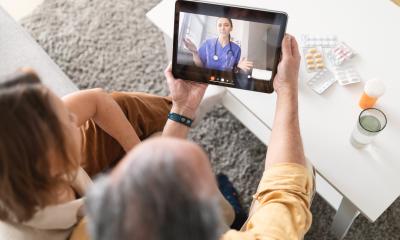
Use of an AI voice agent to prompt self-reported blood pressure readings may help improve accuracy of at-home blood pressure measures and patient outcomes in older patients with hypertension.

Systematic screening and support for mental health conditions such as depression, anxiety, or PTSD should become normalised in cardiovascular care, cardiologists urge in a new Consensus Statement.

Currently, cancer treatment evaluation focuses heavily on survival outcomes, but doesn't adequately consider how treatments affect quality of life. A new policy review aims to change this.

In the years following Brexit, many EU nurses have left the UK, and the quality of care suffered for it. Now, a new study puts a number of additional patient deaths as a result of the referendum.

When a Neonatal Intensive Care Unit (NICU) runs out of capacity, babies often have to be moved, creating health risks. Researchers investigate how flexible deployment of nurses can prevent this.

The work of a nurse is becoming increasingly digital. A new study shows that nurses need to expand their professional competencies beyond their traditional skills to adapt to these changes.


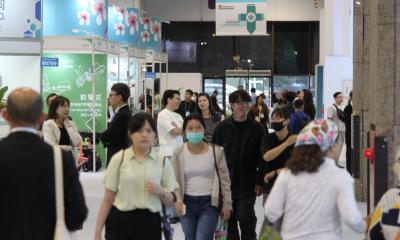
Medical Taiwan 2025, organized by TAITRA, will take place from June 5 to 7 at the Taipei Nangang Exhibition Center (TaiNEX 2). As a leading event in Asia’s medical and healthcare sectors, the exhibition’s theme, “Innovating Wellness,” will highlight groundbreaking solutions in medical technology and healthcare.

A new study on the future of work in nursing homes finds that robot use is associated with increased employment and staff retention, improved productivity and a higher quality of care.

Staff shortage, financial burdens, and growing demand for care are major challenges for healthcare institutions. The latest Future Health Index report indicates that AI is seen as a key solution.

When it comes to lung cancer care, patients in Europe face significant differences depending on the country they are in. Researchers from Amsterdam analysed the landscape.

Medical Taiwan, the premier international expo for medical, health, and care industries organized by TAITRA, is scheduled to be held at Taipei Nangang Exhibition Center Hall 2 (TaiNex2) from June 20th to 22nd, 2024.

Staff shortage remains an immense challenge in healthcare. To address this, new UK research points out ways to make clinical working environments more attractive for nurses.

UK law changes threaten the security of messaging apps – and their use in the NHS. Doctors warn that patient care will suffer if they can no longer use apps such as WhatsApp to share information.

According to the European Dementia Monitor, there is still a clear East/West divide, with significant differences between countries in terms of availability, affordability, legal and human rights.

Health systems depend on nurses' professional judgement for operational staffing decisions, but often, the potential of their insights remains untapped, new research reveals.

Nurses around the world use intuition to work out how sick a patient is before triaging for treatment – according to new research from the University of East Anglia.
VR and augmented reality are considered key technologies in healthcare, especially in nursing. Now, German researchers analysed the impact of smartglasses on patient interaction.
Robots and AI are expected to play a key role in nursing practice in the future. In this regard, researchers from Japan ask whether intelligent machines can replace humans as nurses.