News • Onkologie
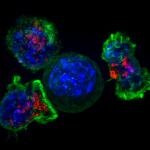
Tumours use antioxidants to evade immune attack
A Cambridge study reveals how tumours suppress immune responses – and how blocking this mechanism could make immunotherapies effective in more patients.



A Cambridge study reveals how tumours suppress immune responses – and how blocking this mechanism could make immunotherapies effective in more patients.
To fight cystic fibrosis at the source, scientists have both identified a key infection mechanism and a way to correct the defect. Their insights could help limit serious complications in CF patients.

A research team has developed a new class of protein-based MRI contrast agent that detects invasive lung cancer and metastatic disease at earlier stages than conventional imaging approaches.
Radiotherapy may be able to do far more than simply destroy tumor cells. A review explores how combining radiotherapy with immunotherapy could improve outcomes for patients with pancreatic cancer.

A new study shows that phage therapy could help reduce recurrent infections, which happen when the bacteria responsible for UTIs ‘hide’ in the tissue of the bladder.
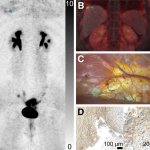
A new study shows how FAPI PET/MRI can help detect the extent of tissue remodeling and fibrosis from endometriosis. This could improve diagnosis of the condition, even in difficult-to-assess areas.
In glioblastoma, the treatment order matters: a new study shows that administering cell immunotherapy before surgery to remove a brain tumour is significantly more effective than the other way around.
Findings of a new study suggest that changes in the gut microbiome could be linked to Parkinson’s disease and may eventually help researchers identify new underlying mechanisms for the condition.
“Rather than talking about ER-positive or ER-negative breast cancer, we need to view it as a spectrum”: a new classification approach could lead to more personalised treatments.
Researchers have found an ‘immune organ’ inside the skull, which directs brain defenses. The findings may offer a new way to fight brain cancer and neurodegenerative diseases.
New research has identified a previously unknown mechanism of Kabuki syndrome, a rare genetic disorder. The discovery could open new therapeutic perspectives.

Blood tests yield vital information about Alzheimer’s disease. However, new research suggests that relevant biomarkers may differ significantly across patient populations.
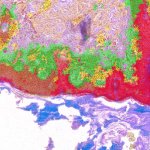
Digital pathology and spatial omics could enable researchers to see how a tumor's different cell populations function, opening new perspectives for precision cancer therapy.

New research suggests that subtle markers during sleep – such as nocturnal micro-awakenings – may yield early clues to a greater genetic risk of developing Alzheimer’s disease.
More biomarkers for better insights on Alzheimer's disease: a new study explores how a panel of seven proteins could help predict disease progression and inform more accurate treatment choices.
A diffusion MRI metric can detect changes in white matter tracts not visible on conventional MRI – this could help identify early abnormalities in the brain associated with Alzheimer’s disease.
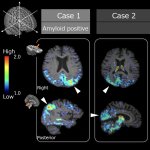
The cause of hallucinations and delusions that start in midlife or later is often unclear. In a new study, PET/MR scans reveal that these symptoms may be linked to brain changes also seen in dementia.
A new study links metabolic dysfunction-associated steatotic liver disease (MASLD, formerly NAFLD) to an elevated risk of cardiovascular disease, cognitive decline, and other metabolic complications.
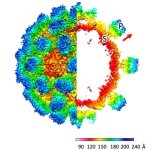
The human norovirus is the leading cause of acute gastroenteritis worldwide, infecting 600–700 million people each year. A new study could help explain the high infectivity of the virus.

Antimicrobial stewardship is essential to curbing the growing threat of drug-resistant infections – yet its principles are too often abandoned the moment a patient leaves the intensive care unit (ICU). At the Critical Care Symposium in Manchester, Professor Marc Leone outlined why consistent antibiotic management across the entire hospital stay is vital for patient outcomes.
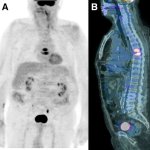
PET/CT can add valuable information to aid the diagnosis of fever of unknown origin (FUO), directly influencing the clinical management in nearly 75% of patients, a new study finds.

A common diabetes test could miss the condition in people with sickle cell trait, new research suggests. Understanding this limitation of immunoassay testing could help guide protocols and policies.
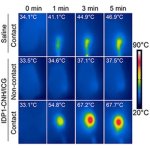
Photothermal therapy to selectively destroy cancer cells shows promise as a much less invasive treatment option than surgery or radiation. Now, researchers cleared two major hurdles for the method.
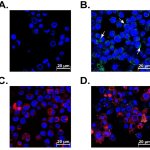
A swallowable "nanocage" may offer a new strategy for treating gastric cancer more precisely while reducing damage to healthy tissue, according to findings from a new preclinical study.
Researchers have developed structures for cartilage regeneration based on cellulose, gelatin and soy proteins obtained from food industry by-products, with promising properties for tissue engineering.
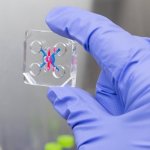
Asthma attacks induce mechanical forces that permanently alter airway tissue – independently of inflammation. New research used advanced lung-on-a-chip technology to show how this damage occurs.

Researchers have developed a new lab model to study BAP1-deficient melanomas, a rare type of melanoma that evade the immune system once they metastasize and are resistant to current immunotherapies.
A study from the University of Calgary shows that removing a single gene makes colon cancer cells a target for immunotherapy — a fundamental breakthrough.
Radiopharmaceutical therapy has already transformed care for neuroendocrine tumors and prostate cancer, but other tumor types still lack targeted treatment options. A new approach could change this.
A new experimental compound, called OLE, helps the brain enclose and contain beta-amyloid plaques – a hallmark of Alzheimer’s disease –, reducing their size and toxicity.
A new high-res PET scanner is making its clinical debut at UZ Leuven. The scanner makes it possible to detect earliest signs of brain diseases, years before a patient experiences the first symptoms.
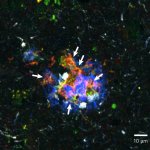
At which point does Alzheimer’s disease pathology lead to dementia? Researchers identified distinct mechanisms in the brain, which could represent an important target for future therapies.

Invasive fungal infections are silent, fast-moving, and notoriously hard to catch in time. The FUJIFILM Wako β-D-Glucan Test on the LIMUSAVE MT-7500 gives clinical laboratories a quantitative, LAL-based tool to detect (1→3)-β-D-glucan in serum or plasma – enabling earlier diagnosis where it matters most.
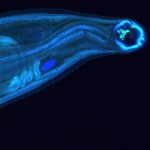
A hookworm can survive in the human gut for years. Researchers have now harnessed that biological mechanism, engineering a hookworm to produce and deliver a drug within a living host.
A simple, affordable urine test could detect early signs of lung cancer months, or even years, before symptoms appear, as well as monitor whether treatment is working and identify potential relapse.
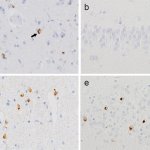
New research has found that a genetic factor best known for increasing the risk of Alzheimer's disease, may also influence how pathological changes spread in amyotrophic lateral sclerosis (ALS).
A new study proposes a new antiviral strategy against SARS-CoV-2 based on a treatment that combines two complementary approaches, capable of attacking the virus simultaneously.
Researchers have reported results from a first-in-human trial evaluating a novel cell-based platform for localized delivery of interleukin-2 (IL-2) in patients with advanced ovarian cancer.
Researchers at the Leibniz Institute on Aging have shown that oxidative stress impairs protein quality control in the brain – and that this process is reversible.
A CRISPR-based tool called Cas12a2 can selectively eliminate cancer and virus-infected cells based on their RNA signature – with high precision and no off-target effects.
Now, a new study identified a gene therapy for individuals with cystic fibrosis (CF) caused by a specific mutation and for whom there was no treatment available until now.
Researchers have developed an electrochemical sensor that can detect pancreatic cancer in its early stages. The device offers a simpler, more affordable alternative to conventional tests, which are less accessible.
Why do some older adults remain mentally sharp despite having Alzheimer's? Decoding this natural resilience could pave the way for earlier detection and new strategies to prevent memory loss.
A research team is leading the development of a sensor that paves the way for the rapid, selective and cost-effective detection of active tuberculosis infection.

Not all precancerous lesions will develop into tumours, yet the majority are treated as if they were already breast cancer. A new marker could help identify the relevant cases and avoid overtreatment.

A compact LED module pairs UV-A, green and IR light with a matched photodiode to detect AGE autofluorescence — bringing biochemical risk screening to wearables and point of care testing.
A multidisciplinary team of pathologists, oncologists and biologists has discovered a new biomarker to determine whether immunotherapy may work in people with colon and rectal cancer.
AI models can generate more complete summaries of complex cancer pathology reports than physicians, according to a new study that tested six models developed by Meta, Google, DeepSeek and Mistral AI.
Researchers have developed an AI model showing that it is possible to detect different neurodegenerative diseases - for example, Alzheimer’s and Lewy body disease - from a single blood sample.

A tick's saliva keeps blood flowing, disarms the immune system, and smuggles in pathogens. Scientists have just found out how to disrupt this process and prevent infection.

Digital spatial profiling (DSP) is emerging as a powerful technology in helping specialists investigate complex kidney disease, according to a leading expert. Professor Renate Kain believes spatial profiling adds significantly to systems biology approaches that will transform diagnostic histopathology. However, she warns that the adoption and effective utilization of the technique is critically…
A biomarker discovered in the cerebrospinal fluid could improve diagnosis of Parkinson's disease and dementia with Lewy bodies.
New treatments for neurodegenerative diseases like Alzheimer’s, Parkinson’s, and motor neurone disease (MND) could be unlocked thanks to microscopic medicines called intrabodies.
Siemens Healthineers has announced the availability of two blood-based biomarker tests for research use: the Atellica IM Phosphorylated tau 217 (pTau217) and the Atellica IM Brain Derived Tau (BDTau) assays. Both are run on the Atellica Solution IM and Atellica CI Analyzers.
Glioblastoma is notorious for late diagnosis, rapid progression, resistance to treatment and its biological complexity. A new experimental method could help detect this deadly type of brain cancer.
Researchers discovered that pineoblastoma, retinoblastoma and medulloblastoma – severe brain tumours in children that appear to be completely different – actually arise from the same type of cell.
Coronaviruses can generate new variants capable of infecting humans after circulating in animal reservoirs. Researchers develop broad-spectrum antiviral drugs to curb the spread of these pathogens.

Korean researchers are developing a “spray shield that adheres to transplant organs” and reduces the burden on patients taking lifelong immunosuppressants to prevent transplant rejection.
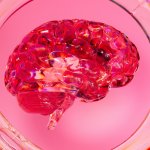
A small but growing body of evidence suggests that a minimally invasive surgical procedure called lymphovenous anastomosis (LVA) might be an effective treatment for Alzheimer's disease.
A research team led by the University of Waterloo is developing a novel tool to treat cancer by engineering hungry bacteria to literally eat tumours from the inside out.

Radiotherapy is more effective when administered at the right time of day, according to new research. This discovery opens the door to cancer “chronotherapy”, the researchers hope.

Advances in artificial intelligence and multimodal data integration are poised to revolutionise cancer diagnostics – but significant challenges remain before these technologies can be routinely deployed in clinical practice. Professor Manuel Salto-Tellez outlined the steps needed to bridge the gap between complex tumour biology and the relatively simple biomarkers currently available, speaking…
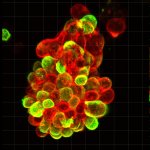
Due to its rapid spread in the abdomen, ovarian cancer is often only detected at an advanced stage. Now, scientists have discovered how this cancer takes advantage of other cells for metastasis.
Not all cancer mutations are equal: new research shows that a single mutation hotspot can generate a rich diversity of tumour behaviours. This could lead to more personalised cancer treatments.
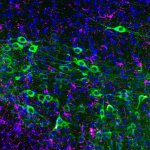
Promising new research points to a new immunotherapy approach that could help preserve viable neurons in people with Parkinson’s disease.
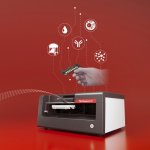
Analytik Jena will be presenting new automation solutions for laboratory workflows at the SLAS 2026 International Conference & Exhibition (February 7–11). A particular highlight is the launch of the PULSEspencer R – the first model in a digital and contactless dispenser series in the company's portfolio.
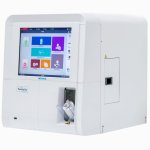
Analytical and measurement technology copany Horiba has obtained CE IVDR certification for its new Yumizen H500 CRP benchtop hematology analyzer, designed for small laboratories.
Non-specific symptoms such as fatigue, pain or weight loss can be caused by cancer, another serious condition or something completely harmless. A blood test can help provide relevant information.
Pioneering research has shown that heart muscle cells regrow after a heart attack, opening up the possibility of new regenerative treatments for cardiovascular disease.

Why does Huntington’s disease begin at very different ages? Using advanced AI techniques, neuroscientists from the University of Barcelona found a way to better answer this question.
Researchers have discovered that amyloid-β deposits - similar to those found in Alzheimer’s disease - may contribute to the development of preeclampsia during pregnancy.

Symptoms of depression are common among people with asthma, but growing evidence suggests they may arise from biological mechanisms different from those underlying major depressive disorder.

Should younger and older people receive different treatments for the same infection? New research suggests that age-specific treatments may be necessary in ongoing antibiotic resistance crisis.
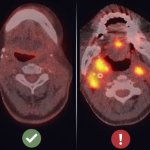
Immunotherapy has been hailed as a breakthrough in cancer treatment. But new research reveals: under sustained treatment pressure, cancer does not simply weaken — it adapts, learns, and fights back.

The immune system’s reaction to the common Epstein-Barr virus (EBV) can ultimately damage the brain and contribute to multiple sclerosis (MS), a new study shows.
Scientists have overturned a long-held belief in genetics: that inheriting two harmful variants in the same gene always worsens disease. Instead, this can actually restore normal protein function.
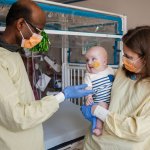
Gene-editing technologies show great promise for medical treatments and research, with the potential to cure thousands of genetic diseases. At the 2025 World Medical Innovation Forum in Boston, leading experts explored the possibilities and challenges of these rapidly advancing tools. The case of Baby KJ Muldoon – an infant treated with a personalised CRISPR therapy developed in just seven…

A new University of Toronto-led study has discovered a possible biomarker linked to multiple sclerosis (MS) disease progression that could help identify patients most likely to benefit from new drugs.
Cardiovascular disease and depression do not co-occur by chance; the TO_AITION project aims to enable earlier diagnosis of comorbidity, better risk prediction and personalised treatment strategies.
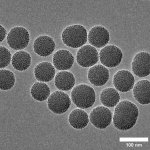
To soften up tumors prior to cancer chemotherapy, a team of researchers paired high-frequency ultrasound waves with a type of sound-responsive particle to reduce the protein content of the tumors.

A simple blood test that can very accurately predict the chance of survival with good recovery could be of great significance for patients in intensive care after a cardiac arrest.
Depression is not only a disease of the mind or the brain, a new study finds: a research team has revealed deep connections to abnormalities in the body's overall immune response.

New research reveals why women with long Covid — especially those who develop chronic fatigue syndrome — tend to experience more severe and persistent symptoms than men do.

New hope for patients with neurological diseases: A combination of focused ultrasound and gene therapy enables targeted, nonsurgical control of seizure-relevant brain regions.
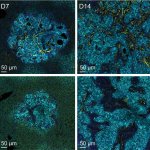
Most patients with metastatic colorectal cancer do not respond to immunotherapy—but why? A new study shows how the tumours block the immune system through two complementary mechanisms.
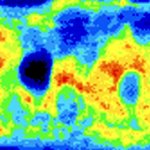
Why does amyotrophic lateral sclerosis (ALS), or Lou Gehrig’s disease, attack motor neurons, the cells that control body movement, while others are spared? A new study may have found an answer.

Biomarker testing is ushering in a novel era of therapy personalisation for gastroesophageal and colorectal cancers, according to experts presenting at the 37th European Congress of Pathology in Vienna this September. During a session on state-of-the-art in gastrointestinal biomarkers, speakers outlined how targeted therapies and immunotherapies are transforming treatment options – but…
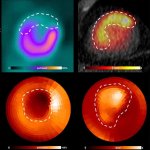
A new approach to PET imaging offers a promising way for physicians to promptly identify patients who are at risk for poor functional recovery after a heart attack, according to new research.
Newly discovered blood biomarkers may offer new options to track Duchenne muscular dystrophy (DMD) in a less invasive way than physical tests or biopsies. This could support more tailored treatments.
Researchers identified a targeted way to protect the brain from harmful side effects of cranial radiation therapy, potentially preserving the quality of life for millions of brain cancer survivors.
A novel imaging solution, called PSMA PET scanning, can more effectively detect the recurrence of prostate cancer compared to standard methods, and is associated with improved survival outcomes.

Scientists are on the way to finding a vaccine to fight off Helicobacter pylori - a bacterium found in over 60% of people - possibly preventing stomach ulcers and lowering the risk for stomach cancer.

The 2025 Nobel Prize in Physiology or Medicine is awarded to three researchers for their insights into peripheral immune tolerance - how our immune system is kept from attacking our own body.
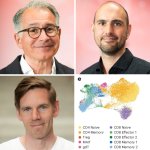
Immunotherapy has improved the treatment for many cancers, but progress has been limited in leukemia. Discovery of a new evasive mechanism could help change that.
TU München researchers discover how chronic cellular stress changes gut microbiome composition, promoting cancer development through altered lipid metabolism.
Scientists created precise replicas of Candida sugar coats to understand immune responses, enabling fast bedside testing that could replace slow lab cultures.
University of Stuttgart scientists develop enhanced CRISPR technique that makes genetic loss-of-function analyses more efficient and reproducible for medical research.
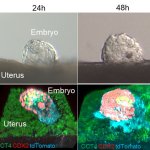
Assisted reproductive technologies like IVF are held back by the fact that more than half of all embryos fail to implant into the uterus. Now, new research explores ways to improve these odds.
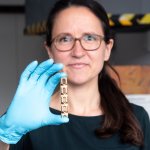
Even though many implants such as artificial joints and pacemakers are made of titanium, they occasionally break – but why? A researcher is investigating implant failure and how to prevent it.

Studies have found that natural polysaccharides from a medical fungus endemic to Taiwan can not only effectively inhibit inflammation, but also fight the proliferation of lung cancer cells.

Dysphagia can significantly reduce a person's quality of life. Now, research teams have developed a new 3D bioprinting method to create safe and appealing meals for dysphagia diets.
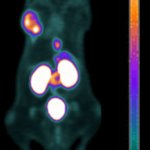
Tracer molecules serve to provide visual guidance in nuclear medicine, but a new molecule could give surgeons additional audio cues to help them locate prostate cancer tumors and metastases.
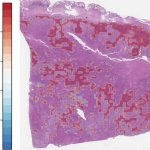
Microsatellite instability-high (MSI-H) tumors are associated with better clinical outcomes. A novel AI model for accurate MSI prediction could help battle gastric and colorectal cancers.

Some medications can only be taken as an injection, which is often painful, unpleasant and inconvenient for patients. A new transport system could make it possible to swap these injections for pills.

Tumor vesicles may serve as early indicators of cancer and help monitor the effectiveness of treatments. Now, researchers discovered a new way to detect these vesicles.

Defining four different immunologic subtypes of recurrent ovarian cancers, researchers pave the way for more personalized treatment.
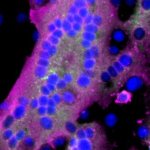
After an infection with the coronavirus Sars-CoV-2, the virus is able to persist at low levels in the brainstem, new research finds. This helps explain some of the enduring neurological symptoms.
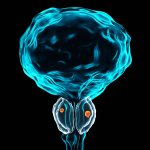
Classifying prostate cancer as “low-grade” could create a false sense of security and delay definitive treatments. A new study shows that the biopsy grade alone can paint an incomplete picture.
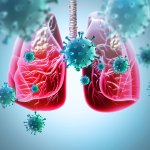
Common respiratory infections such as influenza and Covid-19 can awaken dormant breast cancer cells that have spread to the lungs, setting the stage for new metastatic tumors, new research finds.
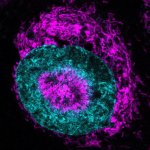
How cancer cells survive the journey through the body to form metastases is still poorly understood. New insights into how cells survive intense physical stress could pave the way for new treatments.

Melanoma testing could one day be done at home with a skin patch and test strip with two lines, similar to Covid-19 home tests, according to University of Michigan researchers.
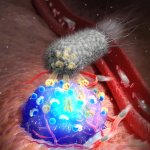
A new, bacteria-based contrast agent illuminates tumors like a neon sign during surgery, enabling more precise resection and reducing the risk of recurrence.
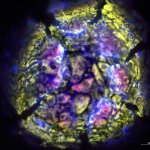
Dense calcifications are common in breast tissue, but not every finding in a mammogram is a precursor of cancer. New insights could lead to fewer benign biopsies and guide therapeutic development.
A new AI-based tool measures cancer aggressiveness by analyzing the ‘stemness’ of tumors – their similarity to pluripotent stem cells. This could pave the way for new therapies.
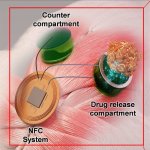
Korean researchers have developed a wireless implantable drug delivery system that enable chemotherapy drugs to penetrate deep into solid tumors—without harming surrounding healthy tissue.
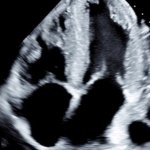
A neural network AI has been trained to detect cardiac amyloidosis from a single echocardiogram video of the heart's apical four-chamber view and differentiate it from similar heart conditions.
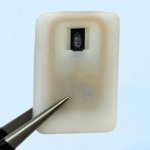
An implantable device could save diabetes patients from life-threatening hypoglycemia. Remaining under the skin, it can be triggered to release glucagon when blood sugar levels get too low.

Muscle tissue undergoes specific changes in space due to the absence of gravity. Investigating these changes opens opportunities for studying sarcopenia, which takes decades to develop on earth.

What do the brains of newborns and patients with Alzheimer's disease have in common? Researchers have discovered a surprising shared trait - which might provide new insights into the disease.
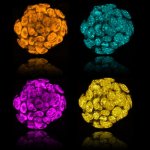
A research team at the University of Geneva has identified two new proteins that regulate gene expression, a discovery that could pave the way for new cancer and brain disorder treatments.
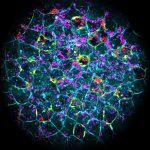
New research shows how embryos can protect themselves from bacterial infections even before forming their immune system. The findings could provide new insights into the origin of immunity.
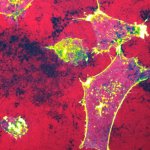
In a new study, researchers have developed a new fluorescent probe to visualise signaling dynamics in moving cancer cells, to uncover a new therapeutic possibility for limiting breast cancer spread.
Using nine different molecular biological technologies, researchers were able to precisely measure the properties of a melanoma tumor in four weeks and enable a precise treatment decision.
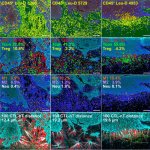
Tongue squamous cell carcinoma, the most common type of oral cancer, is a challenging target for immunotherapies. Researchers now identified five immunotypes to better predict treatment response.

Newborns, especially those born prematurely, are vulnerable to conditions such as sepsis. A new device profiles an infant’s immune function from a single drop of blood to improve neonatal care.
An Australian research team has developed a blood-based method of analysing thousands of proteins in a single, untargeted test. This potentially enables rapid diagnosis of many rare genetic diseases.

Nuclear medicine specialist Daniela Oprea-Lager has been appointed Professor of Theranostics at Radboudumc / Radboud University. Her research focuses on the combination of diagnostics and treatment using radioactive substances, with particular interest for urological tumors, especially prostate cancer.
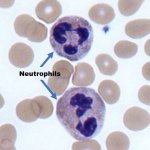
A US research team has shown that Sars-CoV-2 can “reprogram” pathogen-fighting white blood cells into immune system suppressing cells — a potential mechanism by which severe Covid may arise.

New research shows that dysfunction in the mitochondria linked to amyotrophic lateral sclerosis (ALS) occurs before the cells show other signs of disease, which was not previously known.

A gene once believed to fight only viral infections could also hold the key to preventing memory loss in Alzheimer’s patients, a new study finds. This paves the way for new drug developments.

Does having blood type A increase the risk of breast cancer? A new systematic review and meta-analysis involving more than 13,000 breast cancer patients suggests a connection.
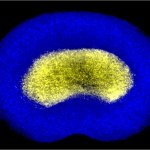
Researchers used state-of-the-art 3D bioprinting to replicate the complex structure and environment of spinal discs. Their insights hold promise for understanding back pain and disc degeneration.
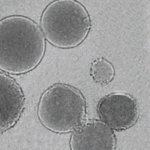
A team of scientists has developed a method for 3D printing polymers at specific locations deep within living animals.
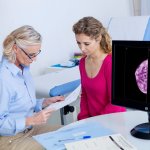
At the San Antonio Breast Cancer Symposium (SABCS), three experts presented new approaches and study results for the treatment of breast cancer in young women.
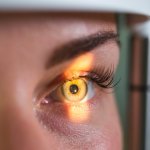
Researchers from Université Laval discovered that the retina of people with Parkinson's disease responds differently to light than that of healthy people. This offers new diagnostic options.

Finding ways to target antibiotic-resistant bacteria is a scientific and medical priority. A consortium of researchers identified a compound capable of blocking a key protein for virulence, thus “disarming” the pathogenic bacteria.

Using AI and extensive analyses of gene activity in tumours, researchers have found new, precise biomarkers to diagnose prostate cancer at an early stage through a simple urine sample.
Unprecedented insights into the inner workings of an early-stage lung tumor: An international research team describes a new method for 3D mapping cellular interactions in the tumor microenvironment.
Pancreatic cancer is one of the most aggressive cancers, partly due to its tumor microenvironment, known as the stroma. Now, a study has identified a new key factor contributing to this feature.
Researchers developed biomimetic materials inspired by lymph nodes, which could improve cancer immunotherapy. The study highlights the potential of bioengineered scaffolds for cell-based therapies.

New research reveals a method that uses pulsed infrared light to identify molecular profiles in blood plasma that could indicate the presence of certain common cancers.

RNA researcher Anastasia Khvorova, PhD, professor of RNA therapeutics at UMass Chan Medical School, will receive this year's Else Kröner Fresenius Prize for Medical Research on May 15, 2025. The award ceremony will be a part of the festive event together with the Fresenius SE & Co. KGaA celebrating the 100th birthday of Else Kröner, at the Städel Museum in Frankfurt am Main.

In a new study, researchers show that the emergence of antibiotic resistance can be understood in the mechanism of how bacteria build up defences against being infected by viruses.
Fighting pancreatic cancer can feel like a race against time. A new discovery could give clinicians a head start - by targeting precancerous lesions before they become much more aggressive.
A new method to quickly and accurately analyze the structure of collagen in tissue shows promise to improve the diagnostics of cancer and other diseases.
New research has revealed how Duchenne muscular dystrophy (DMD) also profoundly affects the brain, leading to cognitive and behavioural challenges that are very diverse and some could be reversible.
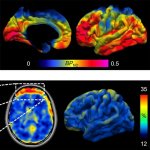
Using the COX-2 enzyme, a new PET imaging approach offers a never-before-seen view of inflammation in the brain, opening the door for clinical and research settings for various brain disorders.

Researchers discovered a key mechanism by which melanomas and other aggressive tumours prevent the immune system from detecting and attacking them – one of the greatest challenges in oncology today.
Researchers have developed ‘sponge-like’ microneedle patches that deliver bioactive ingredients and reduce inflammation in slow- and non-healing diabetic wounds.
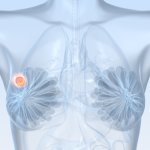
The location and timing of breast cancer recurrence may allow AI to predict the risk of metastasis, a new study shows. This is an essential step towards developing personalised treatment strategies.
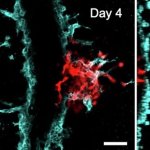
Leveraging bioink from pancreatic tissue and 3D bioprinting, researchers developed a structure closely mimicking the structure of a pancreas, in which cultured cells can resume insulin production.

World TB Day raises awareness about tuberculosis and commemorates the discovery of the source bacterium M. tuberculosis. More than a century later, scientists still refine anti-TB strategies.
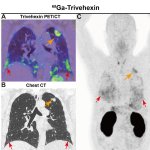
Nuclear medicine specialists have successfully used the radiopharmaceutical Ga-68-Trivehexin from Trimt to accurately diagnose patients with pulmonary fibrosis and concurrent lung cancer.

Giving separated blood plasma improves outcomes in patients with traumatic brain injury (TBI) or shock, whereas unseparated or “whole” blood may be best for patients with traumatic bleeding.
A new blood test, using neurofilament light chainproteins as biomarker, could lead to better diagnosis and management of amyotrophic lateral sclerosis (ALS).
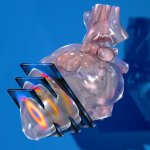
Nuclear cardiology is a specialised field in nuclear medicine that evaluates the heart function to help diagnosing conditions such as coronary artery disease and to assess treatment efficacy, whilst minimising invasive procedures like biopsies. More recently, clinicians have increasingly opted for nuclear imaging over endomyocardial biopsy to diagnose cardiac amyloidosis, allowing for earlier…
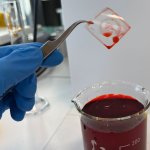

Researchers at the University of Sydney are using so-called Zwitterions to create a surface coating that could stop blood clotting in medical devices and implants like catheters and stents.

The discovery of a 'biomarker panel' could have a profound impact on the ability to identify patients at risk of developing pancreatic cancer at an earlier stage, researchers hope.

Using a new technology and computational method, researchers have uncovered a biomarker capable of accurately predicting the aggressiveness of meningioma brain tumors and breast cancers.
Traumatic brain injury (TBI) increases dementia risk, but the reasons are poorly understood. Now, a study explores the role of the brain's blood vessels as drivers of Alzheimer's disease.
Researchers have developed a new kind of tumour-on-a-chip, which gives insight into the tumour environment and immunotherapy response. The device has been successfully tested on breast cancer samples.
Certain gene alterations can serve as a prognostic and predictive biomarker for prostate cancer. Now, researchers confirm the feasibility of using NGS on this marker for precise patient stratification and treatment selection.
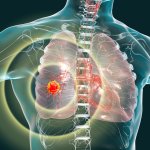
A sensor, similar to glucose monitoring devices, detects lung cancer biomarkers from a blood sample in just 40 minutes. The technology has potential to identify at-risk patients and tailor treatments.
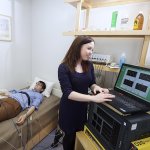
Research suggests a new approach to detecting Alzheimer’s disease: changes in brain oxygenation dynamics and neuronal function contribute to the neurodegeneration.

A new blood test that detects a specific brain protein may help doctors determine the type of a stroke faster and allow them to start safe treatment for people before they get to the hospital.
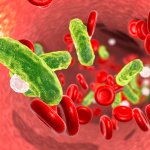
Dying cells prick their neighbors with a lethal message. This may worsen sepsis, Vijay Rathinam and colleagues report. Their findings could lead to a new understanding of this dangerous illness.
Infection with the human papillomavirus (HPV) is the most common cause for cervical cancers. Now, researchers have developed a promising therapeutic vaccine against precancerous lesions.
Senescent cells, which may appear after chemotherapy or radiotherapy, can jeopardize patients' recovery. A study describes a new mechanism to eliminate these cells in cancer patients.

A new study has shown that the molecular signature of long Covid can be found in blood samples of children. Using an AI tool, the researchers were capable of diagnosing the condition with 93% accuracy.

The immune system of children reacts differently to cancer than that of adults. New insights into these differences have the potential to lead to new tailored treatments for children with cancer.
When is a biopsy needed to diagnose a kidney disease? This is handled very differently around the world, a new study finds. This could result in adverse patient outcomes, the researchers warn.
Tongue cancer cells can become resistant to chemotherapy under certain circumstances. Investigating these mechanisms, researchers shed light on promising avenues toward new treatments for this cancer.

More than just a sports injury: A new study shows that head trauma may activate latent viruses, leading to neurodegenerative conditions such as Alzheimer’s disease and Parkinson’s disease.

Researchers have developed an AI-based model to better predict whether cancer patients will benefit from immunotherapy — using only routine blood tests and clinical data.
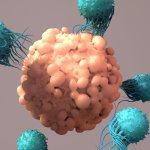
A molecule called MR1 (MHC Class I-related Molecule 1) enables a newly-discovered type of T-cells to sense differences in the metabolism that occur when cells become cancerous.

Infections with Salmonella can increase the risk of colon cancer. New research sheds light on how this bacterium can cause this. The findings provide new leads for new treatments.

Researchers uncovered a surprising link between Alzheimer’s disease and herpes simplex virus-1 (HSV-1), suggesting that viral infections may play a role in the disease.
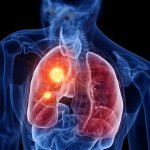
More than half of cancer patients in whom the cancer spreads beyond the primary site have lung metastases. What makes the lungs such a tempting place for cancer cells? New research may have an answer.
Researchers now succeeded in making leukemia-specific immune cells less sensitive to the influence of tumor cells, thereby significantly increasing their effectiveness.
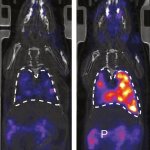
A new radiotracer – an injected compound used in PET scans – could help inform doctors that a patients aggressive cancer will not respond to chemotherapy before treatment is given.
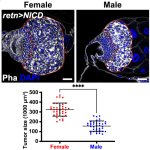
Tumors in female fruit flies grow significantly larger than in male ones, a new study finds. The findings could lead to a better understanding of how the biological sex impacts cancer development.

New study results could help detect whether a newborn baby with fever has sepsis or another serious bacterial infection, without the need for invasive testing.
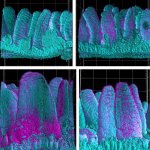
When women are pregnant and nurse their babies, their bodies change to ensure the health of both mother and child. Researchers now surprisingly find that the intestine also changes completely.
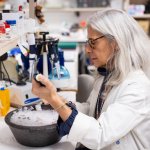
A new way to inhibit the proliferation of Sars-CoV-2 opens up new perspectives in the fight against this coronavirus and other viral diseases that still have no medical treatment.
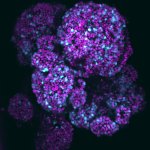
A new type of pancreas organoid contains all key pancreatic cell types - acinar, ductal, and endocrine cells - allowing valuable new insights.
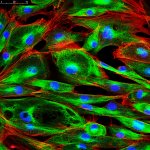
New insights into the previously unknown diversity of cancer-associated fibroblasts in basal cell carcinoma, squamous cell carcinoma and melanoma could pave the way for new therapies.

In the laboratory, researchers increased the bactericidal effect of antibiotics 64-fold with the use of a new hydrogel. The material made the antibiotics effective even against resistant bacteria.
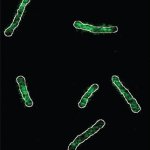
It would seem that developing antibiotic resistance would give bacteria an immense advantage over their non-resistant counterparts. So, why do they not become dominant? New research may provide an answer.
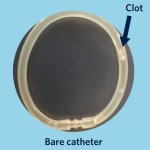
Protection against blood clots: A new material, designed to mimic blood vessels, could allow for safer use of devices like catheters, stents, blood-oxygenation machines and dialysis machines.

Skills shortages and digitalization, trends in cardiology and oncology, future prospects in laboratory medicine, and healthy aging – these pressing topics are at the forefront of discussions at this year’s Medica Labmed Forum.

How can innovations help to master challenges and demands in healthcare? This central question will be addressed at the Medica Health IT Forum, an established part of the programme at the trade fair.
Multiplex imaging can play a critical role in unravelling the tumour microenvironment. The potential and benefits of the emerging approach – a way to extract information from human tissue samples by visualising many more biomarkers than traditional microscopy – was highlighted in presentations during the 36th European Congress of Pathology in Florence, Italy. Speakers also discussed novel…

New insights gained from 3D cell cultures of breast and prostate cancer grown on the International Space Station (ISS) National Laboratory could lead to a way to treat not just these but all cancers.
Tumor cells are notorious for their rapid and uncontrolled division, and many cancer therapies aim to disrupt this. New findings suggest potential applications of apoptosis in blood cancer treatment.
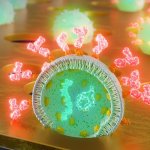
A new method could open new avenues to quick, affordable cancer diagnosis, US researchers report. The method uses ultrathin membranes to capture extracellular vesicles.
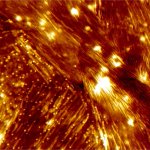
Misfolded proteins lead to Alzheimer's disease – but where do they come from? Using a particularly powerful imaging technique, Swiss researchers now uncovered a key mechanism.
A new discovery about how the liver flushes cholesterol from the body could lead to more effective treatments for cardiovascular disease – the leading cause of death worldwide.

A ‘mini-protein’ can deliver radiation doses directly to tumours without harming healthy tissues. The approach shows promise for the treatment of metastatic bladder cancer and other tumours.

Magnetic resonance imaging (MRI) has made the jump to the Antarctic continent. A new mobile scanner at the Concordia research station is used to study effects on the brain even further away: in space.
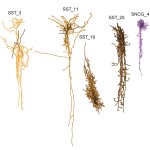
Alzheimer’s disease may damage the brain in two distinct phases, based on new research funded by the National Institutes of Health (NIH) using sophisticated brain mapping tools.
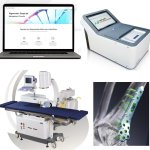
Taipei City is set to make a splash at the Medica 2024 trade fair. The city's Department of Economic Development has curated an exhibition area, featuring six innovative biotech companies.
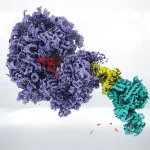
How do the three large protein complexes – the ribosome, the SKI complex and the exosome – interact? A team of scientists led by Elena Conti reveals this question in their current study.

A study led by Assistant Professor Masamitsu Sone and Professor Yoshifumi Yamaguchi from Hokkaido University, Japan, has uncovered a crucial gene that enables hibernating Syrian hamsters (Mesocricetus auratus) to prevent cold-induced cell death. The research was published in the journal Cell Death and Disease.
Until now, those affected have had to inject the missing coagulation factor proteins themselves several times a week. Gene therapy now offers those affected the prospect of an improvement: the therapeutic agent is administered as a single intravenous injection.
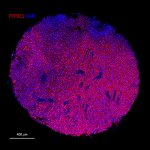
Scientists at the University of Geneva (UNIGE) and the Geneva University Hospitals (HUG) have developed CAR-T cells capable of targeting malignant gliomas while preserving healthy tissue.
A newfound molecule, called ACBI3, could potentially lead to new therapies against hard-to-treat cancers, improving outcomes for all patients with cancers caused by KRAS mutations.
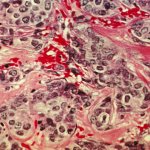
A new study confirms fibrosis as a prognostic indicator in HER2-negative, the most common breast cancer, and opens the way to antifibrotic drug treatments.
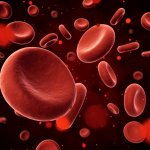
Researchers identified the genetic background of the previously known but mysterious AnWj blood group antigen. The findings allow identification and treatment of patients lacking this blood group.
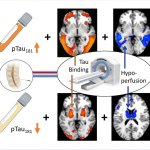
Researchers have identified biomarkers that, in conjunction with PET imaging, enable doctors to reliably distinguish between primary 4-repeat tauopathies and Alzheimer's disease.

The Nutri-Score is designed to provide consumers with information on nutritional quality. New research reveals that the ratings also correspond with the cardiovascular health impact of the products.
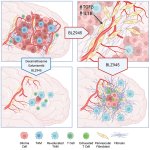
Researchers have identified fibrotic scarring as a key source of resurgence of glioblastoma multiforme (GBM). The new insights could lead to better prevention of this type of brain cancer.
Brain aneurysms cause around 500,000 deaths globally each year and can lead to stroke and disability. Now, researchers created nanoscale robots to manage bleeds in the brain caused by aneurysms.
A US-Swiss team leverages AI and molecular simulations to uncover new pathways for precision cancer treatments, paving the way for more effective, personalized therapies.
A new method of analysing the crystals in dehydrated blood could lead to a quicker, cheaper and less painful technique to diagnose, early detect, and monitor prostate cancer.
Protection from established Covid-19 vaccines wanes relatively quickly. A new vector vaccine elicits prolonged immune response in animal models, and maintains its efficacy over extended time.
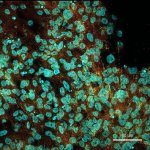
Researchers discovered a gene that might be a key factor in the progression of Huntington’s disease in organoids. The gene may contribute to brain abnormalities much earlier than previously thought.
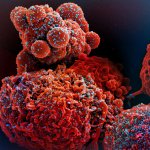
Brazilian researchers have identified a key mechanism of Sars-CoV-2 to manipulate its host’s immune defense. This discovery could pave the way for the development of novel therapies.
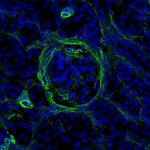
Systemic lupus erythematodes can lead to severe kidney damage. However, until now, the cause for this remained unclear. New research has now revealed the underlying mechanism.
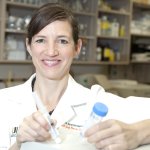
Can a mouthwash-based test help predict head and neck cancer recurrence? A new study suggests it might.
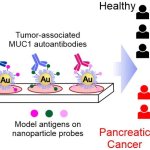
A new method could lead to a significantly more precise and reliable diagnosis of pancreatic cancer. It is based on the selective detection of specific antibodies in blood samples.
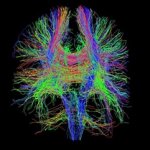
Just a concussion? Head injury can lead to persistent symptoms, yet CT scans often fail to identify these cases. Researchers explore the potential of diffusion tensor imaging for better diagnostics.
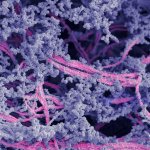
A crucial component in joints, cartilage is notoriously difficult to repair. Now, US researchers have developed a promising bioactive material to regenerate cartilage in knee joints.
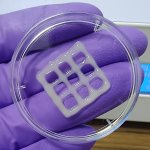
Researchers have created a mucus-based bioink which can be used for 3D printing lung tissue. This advance could one day help study and treat chronic lung conditions.
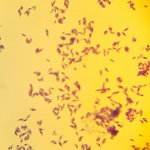
Toxoplasma gondii is a parasite with the ability to infect the brain, causing life-threatening diseases. Researchers now want to harness its properties to advance treatment of cognitive disorders.
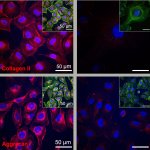
US researchers applied an injectable new therapy, which harnesses fast-moving “dancing molecules,” to repair damaged human cartilage cells within just 4 hours.
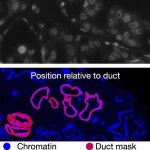
Researchers at MIT and ETH Zurich developed an AI model that identifies certain breast cancer stages likely to progress to invasive forms of cancer.
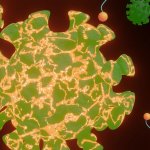
Researchers have developed a fluorescence assay for viral integrity (or FAIRY, for short), to quickly determine the effectiveness of countermeasures against a given virus.

Many medicines require cold storage, which is a challenge for infrastructure and sustainability. Now, researchers designed a hydrogel protecting therapeutics at temperatures as high as 50°C.
New research reveals a promising approach to developing a universal influenza vaccine that confers lifetime immunity against an evolving virus considered most likely to trigger the next pandemic.
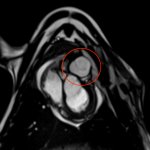
A new heart valve comprised of biological material obtained from human cells, opens up new therapeutic avenues for patients with paediatric heart diseases, such as tetralogy of Fallot.

Enzyme-driven nanorobots could be used in the treatment of joint diseases such as arthritis. A new research project explores the potential of this technology.
Microproteins hold great promise, according to new research: Since they are only expressed by liver tumor cells, the proteins could serve as a potential target for cancer vaccine development.
A new test shows promise in making cervical cancer screening more accessible and less invasive by detecting oncoproteins of the human papillomavirus (HPV) in urine samples.
A new study shows that extracellular vesicles shed by prostate cancer cells contain tumor-derived material that can be used as biomarkers of therapy response and resistance in metastatic disease.

Why does obesity increase the risk of cancer and possibly metastasis? Researchers in Spain are currently investigating this very question.
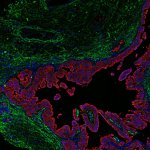
Researchers at Stanford have demonstrated that conditions in the matrix surrounding pancreatic cancer cells impact whether those cells respond to chemotherapy.
Researchers have developed an AI model that increases the potential for detecting cancer through sugar analyses. The AI model is faster and better at finding abnormalities than current methods.
A novel blood test shows promise to predict Parkinson's disease in risk patients up to seven years before the typical motor symptoms appear.
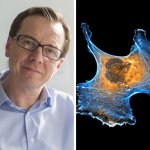
Finnish researchers discovered a mechanism that wakes up dormant breast cancer cells and demonstrated that preventing the mechanism can significantly improve treatment outcomes in experimental models.

Charcot-Marie-Tooth disease is often characterized by a duplication of the PMP22 gene. New research assessing the impact on developing Schwann cells could point the way ahead to future therapeutic interventions.
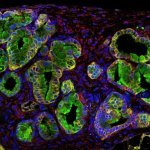
Pancreatic cancer stem cells exploit an antibacterial protein to evade the immune system. Removing this protein could pave the way to more effective immunotherapy, new research suggests.

Tissue biopsy and liquid biopsy can increasingly be used as complementary or alternative approaches, with advantages and limitations to each. While speakers at the recent 35th European Congress of Pathology in Dublin were quick to highlight that liquid biopsy was not about to replace tissue biopsy, the focus looked at the benefits and challenges of each through the lens of four expert speakers.
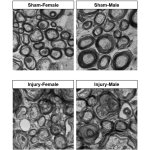
Structural differences in male and female brains might explain why women are more prone to concussions and experience longer recovery from the injury than men, according to a new preclinical study.

Researchers have developed a gel that breaks down alcohol in the GI tract without harming the body. In the future, people who take the gel could reduce the harmful and intoxicating effects of alcohol.
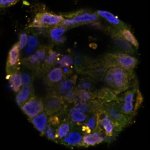
Chemotherapy kills cancer cells – but how? New research suggests that the mechanisms are different than previously understood. The finding will have implications for future cancer treatments.
A new approach to vaccine development could produce vaccines before the disease-causing pathogen – such as a new variant of the coronavirus Sars-CoV-2 – even emerges.
A new sensor prototype can detect errors in MRI scans in a way that is impossible for current electrical sensors – and hopefully pave the way for MRI scans that are better, cheaper and faster.
New research challenges assumptions about the origin of rheumatoid arthritis, which are probably too simple. The findings may point towards improved diagnostics of this painful autoimmune disease.

Researchers developed a new type of anticoagulant whose action can be rapidly stopped. This reversible activity could revolutionise the use of anticoagulants in surgery or other applications.
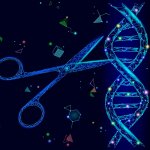
Could the 'gene scissors' CRISPR be used to make resistant bacteria susceptible to first-line antibiotics again? According to new reseach, yes – but the experts also point out serious caveats.