

News • Reviving exhausted immune cells
A new way to boost cancer immunotherapy
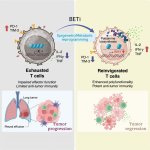
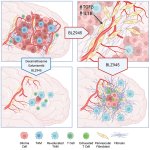
A Taiwanese research team found that BET inhibitors can restore exhausted T cells by reprogramming their metabolism – a potential new strategy for cancer immunotherapy.

A Taiwanese research team found that BET inhibitors can restore exhausted T cells by reprogramming their metabolism – a potential new strategy for cancer immunotherapy.

Researchers have reported results from a first-in-human trial evaluating a novel cell-based platform for localized delivery of interleukin-2 (IL-2) in patients with advanced ovarian cancer.
A multidisciplinary team of pathologists, oncologists and biologists has discovered a new biomarker to determine whether immunotherapy may work in people with colon and rectal cancer.

Regular sauna bathing has been associated with several beneficial health effects. A new study from Finland may help explain how these effects develop in the body.
A new review shows that chronic stress may actively drive cancer progression. Therefore, psycho-oncology should be part of standard cancer care, the researchers argue.

Immunotherapy has been hailed as a breakthrough in cancer treatment. But new research reveals: under sustained treatment pressure, cancer does not simply weaken — it adapts, learns, and fights back.

Using PET/CT imaging, researchers discovered that the biological activity of visceral fat may drive the progression of endometrial cancer, offering a novel angle for diagnosis and treatment.

A US research team has shown that Sars-CoV-2 can “reprogram” pathogen-fighting white blood cells into immune system suppressing cells — a potential mechanism by which severe Covid may arise.

A gene once believed to fight only viral infections could also hold the key to preventing memory loss in Alzheimer’s patients, a new study finds. This paves the way for new drug developments.

A new type of photocurrent-responsive coating has been shown to shorten the bone-to-implant integration time after orthopaedic surgery to just two weeks.

New insights into the previously unknown diversity of cancer-associated fibroblasts in basal cell carcinoma, squamous cell carcinoma and melanoma could pave the way for new therapies.

Researchers have identified fibrotic scarring as a key source of resurgence of glioblastoma multiforme (GBM). The new insights could lead to better prevention of this type of brain cancer.
Brazilian researchers have identified a key mechanism of Sars-CoV-2 to manipulate its host’s immune defense. This discovery could pave the way for the development of novel therapies.

Researchers developed a new type of anticoagulant whose action can be rapidly stopped. This reversible activity could revolutionise the use of anticoagulants in surgery or other applications.

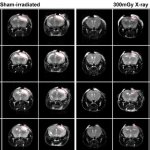
Neuroscientists recently discovered that low-dose ionizing radiation (LDIR) can reduce lesion size and reverse motor deficits in TBI and ischemic stroke mice, demonstrating its therapeutic potential.

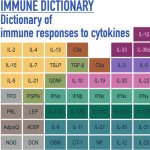
Scientists map the effects of 86 immune-signaling molecules called cytokines on every major immune cell type, creating a reference for studying the inner workings of the immune system.

The Covid-19 pandemic has affected scientific research in numerous ways – for example by highlighting knowledge gaps in gender medicine. In many studies differences in morbidity and mortality between women and men surfaced incidentally. While the extent and causes of these differences remain largely unexplored, the preliminary insights confirm the need for further research.

A new study found that the antibody response of infants and young children against Sars-CoV-2 deviates from that of adults in a small, but very significant way.

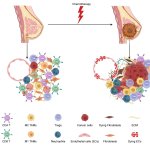
Chemotherapy can be an effective means to fight breast cancer, but under certain circumstances, the treatment can cause dormant cancer cells to re-awaken, new research finds.

A new US-led study shows that astrocyte brain cells play an important role in promoting brain metastasis by recruiting a specific subpopulation of immune cells.

Chimeric antigen receptor (CAR) T-cell therapy is an immunotherapy treatment that re-engineers a patient’s own T-cells to help them attack malignant tumour cells. It has been very effective in the treatment of blood cancers, including certain types of leukaemia and lymphoma. However, two serious side effects are common as a result of the treatment: cytokine release syndrome (CRS) and immune…

French scientists are developing and testing a new vaccine to combat allergic asthma. Their latest study results pave the way for the organization of a clinical trial.

Canadian researchers are developing a new, ultra-sensitive biosensor to screen for Alzheimer’s disease and other diseases. The device has successfully completed the proof-of-concept stage.

Scientists have discovered a way to train healthy immune cells to acquire the skills of some tumor cells for a good purpose: to accelerate diabetic wound healing.

The diminished power of the immune system in older adults is usually blamed on the aging process. But a new study shows that decades of particulate air pollution also take a toll.

Researchers have shown that when brain cells are directly exposed to blood taken from Covid-19 patients with delirium, there is an increase in cell death and a decrease in the generation of new brain cells.

Researchers at Lund University in Sweden and Skåne University Hospital have conducted an animal study bringing hope that more donor lungs could be used in the future.

An animal study brings hope that more donor lungs could be used in the future. The researchers have launched a pilot study to investigate whether the treatment will have the same positive effects on human beings.

Latest developments in computational protein design enable the simulation of sequence and structural changes in proteins for creating novel agents in human medicine.

Scientists at the La Jolla Institute for Immunology discover new drug target for severe asthma and fibrosis.

Reducing inflammatory mediators in the blood before surgical treatment of cardiac bacterial infection does not improve clinically relevant outcome, a new study shows.

For a long time, the origin of metastasis remained obscure. Now, scientists have discovered some of the mechanisms these cells arise.

Bioengineers have shown they can eradicate advanced-stage ovarian and colorectal cancer in mice in as little as six days with a treatment that could be ready for human clinical trials later this year.

In both the mice and organoids, cytokines suppressed tumor growth after treatment, and defense cells migrated to the brain region affected by the tumor, alerting the immune system to its existence.

Hospitalized Covid-19 patients are substantially more likely to harbor autoantibodies — antibodies directed at their own tissues or at substances their immune cells secrete into the blood — than people without Covid-19, according to a new study.

Beige is considered a calming paint color, and scientists have new evidence that beige fat has a similar impact on the brain, bringing down the inflammation associated with the more common white fat and providing protection from dementia. They have found that beige fat cells, which are typically intermingled with white fat cells in the subcutaneous fat present on “pear shaped” people, mediate…

Markers in our blood – ‘fingerprints’ of infection – could help identify individuals who have been infected by SARS-CoV-2, the coronavirus that causes Covid-19, several months after infection even if the individual had only mild symptoms or showed no symptoms at all, say Cambridge researchers. The team has received funding from the National Institute for Health Research to develop a test…

Scientists at the U.S. Department of Energy's (DOE) Brookhaven National Laboratory have published the first detailed atomic-level model of the SARS-CoV-2 "envelope" protein bound to a human protein essential for maintaining the lining of the lungs.

New artificial intelligence (AI) technology to scan for heightened blood vessel inflammation can calculate a person’s risk of death from Covid-19 and its variants.

A collaboration spanning four research labs and hundreds of miles has used the organ-on-a-chip (Organ Chip) technology from the Wyss institute at Harvard Univesity to identify the antimalarial drug amodiaquine as a potent inhibitor of infection with SARS-CoV-2, the virus that causes Covid-19. The Organ Chip-based drug testing ecosystem established by the collaboration greatly streamlines the…

During a pandemic, the demands for laboratory testing challenge routines in an efficiently run clinical laboratory. Gold standard procedures may need modification, or to be discarded, and the more nimble, resilient and receptive a lab is to change, the better off it could be. Senior managers at ARUP Laboratories in Salt Lake City, Utah, a large clinical reference laboratory that offers over 3,000…

Blood draws are no fun. They hurt. Veins can burst, or even roll — like they’re trying to avoid the needle, too. Oftentimes, doctors use blood samples to check for biomarkers of disease: antibodies that signal a viral or bacterial infection, such as SARS-CoV-2, the virus responsible for COVID-19, or cytokines indicative of inflammation seen in conditions such as rheumatoid arthritis and…

The variety and volume of bacteria in the gut, known as the microbiome, may influence the severity of Covid-19 as well as the magnitude of the immune system response to the infection, suggests research published online in the journal Gut. Imbalances in the make-up of the microbiome may also be implicated in persisting inflammatory symptoms, dubbed ‘long Covid’, the findings suggest. Covid-19…

This July, Fujifilm Sonosite launched Sonosite PX, its newest ultrasound system, in the midst of the Covid-19 pandemic. Diku Mandavia, M.D., Chief Medical Officer of Fujifilm Sonosite, sat down with sonographer and Sonosite’s Director of Marketing Development Jodi Miller to discuss how Sonosite’s newest ultrasound system can help frontline health care workers combat the pandemic and why…

Experts have identified two distinct immunological and cellular profiles in the lungs of Covid-19 patients which they believe could help define treatment pathways. From some of the earliest Covid-19 autopsies conducted in Europe, Swiss-based researchers have performed integrative digital pathology and transcriptomic analyses of lung tissues of 16 coronavirus patients who died from respiratory…

A study conducted by Richard Vander Heide, MD, PhD, Professor and Director of Pathology Research at LSU Health New Orleans School of Medicine, and Marc Halushka, MD, PhD, Professor of Pathology at Johns Hopkins University School of Medicine, suggests myocarditis caused by COVID-19 may be a relatively rare occurrence.

The COVID-19 pandemic has impacted virtually every aspect of cancer care and research– from introducing new risks for cancer patients to disrupting the delivery of cancer treatment and the continuity of cancer research.

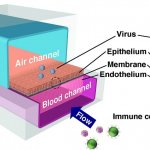
Scientists at EPFL are using technology to better understand how coronavirus causes blood clots in some patients. They have developed a simplified model of a lung that lets them observe, for the first time, how the virus attacks the cells lining blood vessels.

Adequate levels of vitamin D reduces complications and deaths among COVID-19 patients, reveals new research performed at the Boston University School of Medicine. Hospitalized COVID-19 patients who were vitamin D sufficient, with a blood level of 25-hydroxyvitamin D of at least 30 ng/mL (a measure of vitamin D status), had a significant decreased risk for adverse clinical outcomes including…

As the COVID-19 pandemic continues to claim lives around the world, much research has focused on the immune system’s role in patients who become seriously ill. A popular theory has it that the immune system gets so revved up fighting the virus that, after several days, it produces a so-called cytokine storm that results in potentially fatal organ damage, particularly to the lungs.

The SARS CoV-2 virus which causes COVID-19 may have been named prematurely. As more has become known about the infection, the severe disease does not appear to be a respiratory syndrome at all. Patients who only have a respiratory illness tend not to have a severe condition, while patients who develop a severe condition tend to have non-respiratory conditions, primarily thrombotic or hyper-immune…

There are major complications from COVID-19 – ARDS, pulmonary embolism and neurological – that imaging can help detect, manage and/or follow up in the long term, radiologists from France and the UK explained during a recent ESR Connect session. ARDS is the most dreaded complication and the number one morbidity in COVID-19 patients. The incidence was up to 30% of patients in initial reports.…

Which patient will develop a severe form of COVID-19? This is an essential question which must be answered in order to improve the individual management and the prognosis of these patients. In a publication in the journal Science, teams from the Assistance publique – Hôpitaux de Paris (AP-HP), Inserm, Université de Paris, Institut Pasteur and Institut Imagine describe a unique and unexpected…

The human species maintains symbiotic relationships with a multitude of microbial organisms that colonise the inside as well as the surface of the body. Scientists, for a long time, underestimated the significance of these organisms for humans.

When infected by the new coronavirus, women may mount a more potent adaptive immune response than do men, a new study suggests. By comparison, the male immune response appears to progress less effectively, fostering inflammation that’s harmful to the body. This study is the first to delve into sex differences in how the immune system defends itself against the virus SARS-CoV-2. It could help…

Nanoparticles cloaked in human lung cell membranes and human immune cell membranes can attract and neutralize the SARS-CoV-2 virus in cell culture, causing the virus to lose its ability to hijack host cells and reproduce.

A standard drug for the treatment of depression might also be effective against Covid-19, a new study by Würzburg scientists shows which has been published on a preprint server

A tuberculosis vaccine developed 100 years ago also makes vaccinated persons less susceptible to other infections. While this effect has been recognized for a long time, it is not known what causes it. Together with colleagues from Australia and Denmark, researchers from Radboud university medical center the universities of Nijmegen and Bonn have now presented a possible answer to this question.

Early data from a clinical study suggest that blocking the Bruton tyrosine kinase (BTK) protein provided clinical benefit to a small group of patients with severe COVID-19. Researchers observed that the off-label use of the cancer drug acalabrutinib, a BTK inhibitor that is approved to treat several blood cancers, was associated with reduced respiratory distress and a reduction in the overactive…

Leading immunologists in Japan are proposing a possible molecular mechanism that causes massive release of proinflammatory cytokines, or a cytokine storm, leading to the acute respiratory distress syndrome (ARDS) in COVID-19 patients. Their suggestions, published in the journal Immunity, are based on recent findings that explain how SARS-CoV-2 enters human cells.

As Covid-19 spreads throughout the country, much attention has been paid to the devastating effects of the virus on the lungs. But doctors are learning how the virus may affect other organs, including the brain. Some patients with Covid-19 have had neurological symptoms, which may include an increased risk of stroke.

Sepsis—the body's own immune response gone against it—is a major health problem worldwide. It is basically a "hyper" immune response by the body to infection or injury, and is characterized by hyperinflammation, immune system paralysis, cell death, liver and kidney failure, blood clots, and even hemorrhage. An estimated 30 million people suffer from sepsis every year, of which 20%…

Biomedical researchers in Munich have isolated immune cells from human tonsils obtained following routine surgery, and used them to analyze aspects of the immune response and test the effects of anti-inflammatory agents at the cellular level. Human tissues that have been surgically removed from patients are normally treated as waste, especially when they are derived from a ‘dispensable’ organ…

Due to the scientific and technical developments in recombinant DNA technology and protein engineering since the early 1980s, therapeutic proteins have emerged as one of the most important classes of new pharmaceuticals. Currently, more than 200 protein and peptide based drugs have gained approval by the USA’s Food and Drug Administration (FDA) and many more are under preclinical or clinical…

Scientists from the German Cancer Consortium (DKTK) and the German Cancer Research Center (DKFZ) at Tübingen University Hospital have managed to attach immunostimulatory cytokines to cancer-specific antibodies for the first time in such a way that they activate the immune response against cancer without causing a dangerous overreaction by the immune system. The research team has now been granted…

Proteins in our blood could in future help provide a comprehensive ‘liquid health check’, assessing our health and predicting the likelihood that we will we will develop a range of diseases. Preventative medicine programmes such as the UK National Health Service’s Health Check and Healthier You programmes are aimed at improving our health and reducing our risk of developing diseases. While…

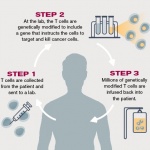
Immunotherapy is a promising cancer treatment that uses genetically modified immune cells to fight cancer. It can be used as a primary treatment or in combination with other treatments such as radiation and chemotherapy to slow down or stop the growth of cancer cells and prevent them from spreading to other parts of the body. Chimeric Antigen Receptor (CAR)-T cell therapy, for instance, is a…

Immuno-oncology is a therapy in which the body’s immune system treats a tumour. Dr Eric Borges, from the Research and Development Centre at Boehringer Ingelheim Pharma GmbH in Germany, explains why this is revolutionary. Unlike conventional cancer therapies, with immuno-oncology the tumour cell is not the direct target, it’s the patient’s immune system. The medication stimulates this to…

In breast cancer, one of the most common cancers in women, tumors contain a small amount of so-called cancer stem-like cells (CSCs). Being able to eliminate breast-cancer stem-like cells in a targeted way is essential for developing successful therapies — conventional treatments, such as chemotherapy or radiotherapy followed by drug intake, do not target CSCs. A better understanding of the…

While the role of the laboratory in disease diagnosis and management has expanded in recent years, causing an overwhelming rise in testing demands, the availability of skilled technologists and specialists has been diminishing. To meet the needs of an overworked and increasingly generalized workforce, today’s products not only must deliver more clinical data than ever before, but also must be…

Australia's national science agency CSIRO has identified a new gene that plays a critical role in regulating the body's immune response to infection and disease.

Until very recently, Parkinson’s had been thought a disease that starts in the brain, destroying motion centers and resulting in tremors and loss of movement. New research published this week, shows the most common Parkinson’s gene mutation may change how immune cells react to generic infections like colds, which in turn trigger the inflammatory reaction in the brain that causes…

While gastritis and gastric ulcer disease used to be put down to stress and dietary factors, it was discovered in the 1980s that the actual culprit is infection with a bacterium, H. pylori. This pathogen is now classed as a type I carcinogen by the WHO, as it is the major risk factor for development of gastric carcinoma. Attempts to develop a vaccine against H. pylori have been unsuccessful and…

The immune system is a complex and precisely regulated system. Various activating and inhibiting signals ensure that the immune cells combat pathogenic agents without eliciting a potentially harmful response to its own structures and cells. However, if those two forces are imbalanced, the immune cells may attack and damage cells and tissue of the body itself, which will result in the development…

Loyola University Medical Center is the only Chicago center that participated in the pivotal clinical trial of a groundbreaking cancer treatment that genetically engineers a patient's immune system to attack cancer cells. Patrick Stiff, MD, director of Loyola's Cardinal Bernardin Cancer Center, is a co-author of the study, published in the New England Journal of Medicine. The treatment used in…

Cancer therapies including radiation and chemotherapy seek to treat the disease by killing tumor cells. Now a team including researchers at Beth Israel Deaconess Medical Center (BIDMC) have shown that the dead and dying cancer cells generated by chemotherapy and targeted cancer therapy paradoxically trigger inflammation that promotes aggressive tumor growth. In a study published today in the…

In a comprehensive and complex molecular study of blood samples from Ebola patients in Sierra Leone, published in Cell Host and Microbe, a scientific team led by the University of Wisconsin–Madison has identified signatures of Ebola virus disease that may aid in future treatment efforts. Conducting a sweeping analysis of everything from enzymes to lipids to immune-system-associated molecules,…

Researchers have evidence that specialized T cells are vulnerable to exhaustion that may contribute to allergic reactions.

Pancreatic cancer is one of the most deadly types of malignancies, with a 5-year survival rate after late diagnosis of only about 5%. The majority of patients—about 80%—receive their diagnosis too late for surgery. The disease spreads quickly and resists chemotherapy. In short, there is an urgent need for diagnostic tools to identify this cancer in its earliest stages.

Using computer-based simulations and mouse experiments, researchers at the Helmholtz Centre for Infection Research (HZI) in Braunschweig and at the Otto von Guericke University Magdeburg (OVGU), have disentangled the effects of pro-inflammatory signalling molecules on the postinfluenza susceptibility to pneumococcal coinfection.

In a startling discovery that raises fundamental questions about human behavior, researchers at the University of Virginia School of Medicine have determined that the immune system directly affects – and even controls – creatures’ social behavior, such as their desire to interact with others. So could immune system problems contribute to an inability to have normal social interactions? The…

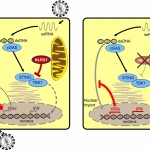
An international research group with essential participation of the Paul-Ehrlich-Institut, has identified NLRX1, a cellular factor of the human cell that is indispensable to the replication of Human Immunodeficiency Virus (HIV-1). This factor plays a key role in attenuating the innate immune system towards HIV-1. Until now, the significance of NLRX1 for the replication of HIV-1 and the…

Held every year in March, for the past 35 years, the International Symposium on Intensive Care and Emergency Medicine has been organised by the Departments of Intensive Care and Emergency Medicine at Erasme University Hospital, Université Libre de Bruxelles, in association with the Belgian Society of Intensive Care and Emergency Medicine (SIZ). For three and a half decades, the event’s main…

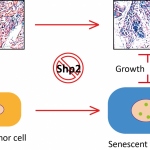
Cells have two different programs to safeguard them from getting out of control and developing cancer. One of them is senescence (biological aging). It puts cancer cells into a permanent sleep so they no longer divide and grow in an uncontrolled way. Now the research group led by Professor Walter Birchmeier (Max Delbrück Center for Molecular Medicine, MDC, Berlin-Buch) has discovered that an…

Only a single treatment produced what researchers describe as 'rapid, substantial, and durable clinical improvement'.

A new extracorporeal nanotech device addresses the root cause of sepsis by removing pathogens and endotoxins simultaneously from blood even before their identification – this genetically engineered mannose-binding lectin protein can also latch on to the Ebola virus... Report: Cynthia E Keen

Critically ill children hospitalised with traumatic injuries have a high risk of acquiring nosocomial infections, especially if their immune function is impaired. A nosocomial infection, such as sepsis, can become as deadly as a traumatic injury, the leading cause of death in children. Report: Cynthia E Keen

UK scientists are developing a hand-held testing device for use at the point of care and provide a disease diagnosis on the same day.
The Robert Koch Award will be shared between Professors Casanova and Fischer; Professor Bujard is being awarded the Robert Koch Gold Medal

Scientists in the UK are working to develop a hand-held testing device to provide same day diagnosis from a patient’s bedside. The device will use disposable cartridges and utilise printed circuit board technology (PCB) that will allow a fast and low-cost diagnosis.

More than half of Germany’s population aged between 18 and 74 years cannot show off a gapless set of teeth, and that’s similar in France and worse only in Poland, according to a 2012 study, which also investigated oral hygiene.

Over the last 25 years overweight and obesity have become a global epidemic. According to WHO figures, at least 400 million adults are obese worldwide. Part of this phenomenon relates to lifestyle changes - lack of exercise, wrong eating habits - whereas genetic factors also play a role (according to twin studies, the determination of obesity is 70% nature and 30% nurture).
Researchers from University Hospital in Umea, Sweden, have identified several cytokines, cytokine-related factors, and chemokines that increase significantly prior to rheumatoid arthritis (RA) disease onset. These findings confirm those of earlier studies which suggest that the risk of developing RA can be predicted and disease progression may be prevented. Complete findings of this study are…

Since the completion of the 13-year human genome project in 2003, molecular scientists have been delving deeper into the world of cells.

Professor Tobias Back MD is medical director of the Clinic for Neurology and Neurological Intensive Medicine in Arnsdorf, Germany.

San Diego, California - 20,000 international physicians, scientists and other visitors travelled to the Annual Meeting & Clinical Lab Expo of the American Association for Clinical Chemistry (AACC) in July, and 750 exhibitors emphasised the increasing importance of this gathering

Researchers found out important links between mental stress and characteristic complex physical inflammation reactions of allergies.

The latest textile technologies go along with fabric integrated sensors, or computers, to measure e.g. the functioning of a patient's cardiovascular system.