

News • mRNA-based strategy
Cystic fibrosis: new study identifies gene therapy
Now, a new study identified a gene therapy for individuals with cystic fibrosis (CF) caused by a specific mutation and for whom there was no treatment available until now.

Now, a new study identified a gene therapy for individuals with cystic fibrosis (CF) caused by a specific mutation and for whom there was no treatment available until now.

Bacterial infections can be difficult to distinguish from viral infections and inflammation, but a simple breath test may change that. This could reduce unnecessary antibiotic prescriptions.

Surviving without lungs for 48 hours: Surgeons describe how they removed a patient’s infected lungs and built “artificial lungs” to keep him alive until a double lung transplant was available.

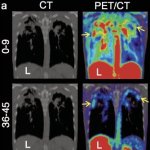
A new PET imaging technique can accurately detect and monitor Mycobacteroides abscessus lung infections—one of the most difficult-to-diagnose conditions in patients with lung diseases.

Enter symptoms into ChatGPT, receive an accurate diagnosis? Research reveals that LLM AI models are not quite there yet, struggling to identify genetic conditions from patient-written descriptions.

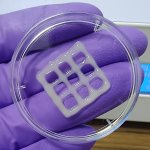
Researchers have created a mucus-based bioink which can be used for 3D printing lung tissue. This advance could one day help study and treat chronic lung conditions.

Diagnosis and monitoring medical conditions, including cancer, diabetes, heart disease, and infections: In this opinion article, Alix Joseph (Linxens) explores the potential of sweat analysis.

How do pathogenic bacteria evolve to become epidemic? To find out, researchers examined DNA data from almost 10,000 samples taken from infected individuals, animals, and environments around the world.

A new synthetic antibiotic developed by University of Liverpool researchers is shown to be more effective than established drugs against ‘superbugs’ such as MRSA, a new study shows.

A new research breakthrough could lead to the development of new treatments for people with compromised immune systems, such as those with cystic fibrosis.

Despite treatment, chronic lung diseases such as COPD or cystic fibrosis can become so severe that a lung transplant is necessary. Dr Urte Sommerwerck explains which patients might be considered for transplantation and why follow-up is as important as the surgery itself.

Recent advances in CT have focused mainly on software, yet new technology could push the modality much further, experts showed at ECR 2022.

Two-dimensional (2D) cultured cell lines and animal models have been the principal research tools for the past decade, but have several shortcomings. Three-dimensional cell cultures, or organoids, show great promise here.

Physicians use AI-powered technology for faster and earlier detection of diseases. At ECR Overture, Dr Steven Schalekamp, PhD, discussed the application of AI for chest radiography in paediatrics.

Researchers have developed a smartwatch that assesses cortisol levels found in sweat. The device opens new possibilities for personal health monitoring.

To counteract the spread of resistant germs, researchers have developed new drug candidates that are able to render one of the most important hospital germs harmless.

Researchers have found a way to defeat the multi-resistant bacterium Mycobacterium abscessus, a relative of the causes of tuberculosis and leprosy.

Research has identified critical factors that enable dangerous bacteria to spread disease by surviving on surfaces in hospitals and kitchens. The study into the mechanisms which enable the opportunistic human pathogen Pseudomonas aeruginosa to survive on surfaces, could lead to new ways of targeting harmful bacteria. To survive outside their host, pathogenic bacteria must withstand various…

An up-and-coming gene therapy for blood disorders. A new class of medications for cystic fibrosis. Increased access to telemedicine. These are some of the innovations that will enhance healing and change healthcare in the coming year, according to a distinguished panel of clinicians and researchers from Cleveland Clinic. In conjunction with the 2020 Medical Innovation Summit, Cleveland Clinic…

In the most comprehensive study of COVID-19 pediatric patients to date, Massachusetts General Hospital (MGH) and Mass General Hospital for Children (MGHfC) researchers provide critical data showing that children play a larger role in the community spread of COVID-19 than previously thought. In a study of 192 children ages 0-22, 49 children tested positive for SARS-CoV-2, and an additional 18…

Antibiotic-resistant pathogens pose one of the greatest threats to public health worldwide. In the near future, harmless bacterial infections may no longer be treatable and may again become the most common non-natural cause of death. At the same time, the available repertoire of antibacterial agents is becoming increasingly smaller as resistance rates rise.

A smart shirt, developed by Canadian startup Hexoskin, has been successfully tested as a potential diagnostic modality for chronic obstructive pulmonary disease (COPD) at the Radboud University Medical Centre in The Netherlands. “COPD is a growing problem with around 64 million people suffering with the condition worldwide. When patients suffer an increase in their symptoms, such as coughing…

In adolescent and adult patients with cystic fibrosis (CF) taking lumacaftor-ivacaftor (Orkambi), the combination drug appears to improve lung function and body weight and reduce the need for intravenous antibiotic treatment, according to a French study published online in the American Thoracic Society’s American Journal of Respiratory and Critical Care Medicine. However, the treatment also…

Analytically sensitive and specific detection of pharmaceuticals or metabolites in bodily fluids, as well as fast and reliable detection of human pathogens, are major challenges for instrument-based analytics in medical diagnostics. Over the past few years the combination of surface-enhanced Raman spectroscopy (SERS) and microfluidic devices (Lab-on-a-Chip) has emerged as a perfectly suited…

The migrant population is fast growing and heterogeneous. Experts at a session held during the European Congress of Radiology (ECR 2019) concluded that radiologists can play a key role in detecting and differentiating related diseases. Migration is a growing phenomenon and has an impact on health, according to Jozef Bartovic from the World Health Organisation (WHO) in Copenhagen, Denmark.…

Beckman Coulter, a global leader in clinical diagnostics will be demonstrating its latest comprehensive solutions in microbiology, urinalysis and hematology at the 29th European Congress of Clinical Microbiology & Infectious Diseases (ECCMID). During the conference, Beckman Coulter is also hosting a symposium where attendees will learn how the laboratory can help physicians detect…

Babies born with congenital hyperinsulinism (CHI) are at risk of suffering from permanent brain damage and life-long disability. Yet some will go on to suffer more severely than others as a result of their disease profile, report the researchers in an article published in Frontiers in Endocrinology. The research team have found that it is possible to predict when and how the disease may affect…

Researchers at Queen’s University Belfast have discovered a novel experimental treatment for chronic lung diseases that could improve the lives for people with Cystic Fibrosis (CF) and Chronic Obstructive Pulmonary Disease (COPD).

Mariette Barbier, an assistant professor in the West Virginia University School of Medicine, and her research team are investigating ways to keep cystic fibrosis patients and other at-risk populations—including patients hospitalized for severe burns or recovering from major surgery—from catching this deadly illness.

Chronic lung infections caused by the bacterium Pseudomonas aeruginosa require complex and, in most cases, long-term treatment with antibiotics—new medication is badly needed.

Researchers at Case Western Reserve University School of Medicine have developed a method that could make magnetic resonance imaging—MRI—multicolor.

Research at the University of Konstanz has identified a molecule that allows the bacterium Pseudomonas aeruginosa to inhibit its rival, Staphylococcus aureus. This might build the basis for the development of new antibiotics.

First thing on a recent Monday morning, Professor Tomasz Grodzki could be found performing a lung resection in an operating theatre at the Regional Hospital for Lung Diseases in Szczecin-Zdunowo. Just two days earlier he was in a meeting with Senator John McCain, in Washington D.C.

Professor Hans Clevers, researcher and group leader at the Hubrecht Institute in Utrecht, the Netherlands, invented the organoids, a ground-breaking new technique to grow new ‘organs’ and to test medication.

Interstitial lung diseases (ILD) are rare – yet they are far more difficult to diagnose and highly variable. Professor Julien Dinkel, consultant at the Institute of Clinical Radiology, Ludwig Maximilian University Hospital in Munich, deals with these rarities.

The European Society of Clinical Microbiology and Infectious Disease (ESCMID) advocates the need for greater education, guidance and research on the build-up, treatment and prevention of biofilms, which contribute to antimicrobial resistance.

With every breath you take, microbes have a chance of making it into your lungs. But what happens when they get there? And why do dangerous lung infections like pneumonia happen in some people, but not others? Researchers at the University of Michigan Medical School have started to answer these questions by studying the microbiome of the lungs – the community of microscopic organisms that are…

Magnetic resonance imaging (MRI) and computed tomography (CT) provide important information on the symptoms and exercise capabilities of people with mild-to-moderate chronic obstructive pulmonary disease (COPD), according to a new study published online in the journal Radiology. Researchers said the findings point the way to better treatment for some COPD patients.

Publicly insured Americans who undergo lung transplantation for cystic fibrosis fare markedly worse in the long run than both publicly insured patients in the United Kingdom and privately insured Americans, according to the results of a study conducted by researchers from Johns Hopkins in Baltimore and U.K. colleagues working in that nation’s government-funded National Health Service.

An innovative technology is enabling radiologists to provide more accurate diagnoses.

Simultaneous surgical successes open new perspectives for multiple transplants

At first sight magnetic resonance imaging (MRI) does not seem to be particularly well suited for lung diagnostics: too much air, too much movement and too little water make image acquisition a real challenge. Nevertheless, MRI is useful and in certain cases even superior to CT say the members of HTIP (Heidelberg Thorax Imaging Plattform), an association of the radiology departments of the…

Will MRI become routine modality? Today, thoracic MRI is rarely performed in Europe. But this will change over the next decade, predicts Professor Hans-Ulrich Kauczor, Medical Director of the Radiology Clinic at University Hospital Heidelberg. He expects Germany to be at the forefront of this development because MRI technology, despite the high costs, is already widely used here and because CT…

Aipermon GmbH & Co. KG reports that cooperations with medical device manufacturers Vitalograph and PARI Pharma have opened up new approaches to telemonitor lung patients.

The lungs had to be regarded as the black hole for MRI for a long time. However, since the introduction of substantial improvements in hardware and scanner technology, there is certainly light at the end of the tunnel. MRI offers two main advantages for the diagnostic pathways for pulmonary diseases applied today.
Only few imaging modalities lend themselves to imaging of the lungs. Conventional chest radiography is the most commonly used tool in the investigation of pulmonary pathology but yields the perhaps most difficult, plain radiographs to interpret.

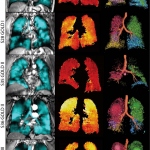
After previous meetings in the USA (2002) and Japan (2004), this October the 3rd International Workshop of Pulmonary Functional Imaging (IWPFI) took place in the German Cancer Research Centre, based in Heidelberg University, Germany. " 'The clinicians' need for earlier and more detailed diagnosis in pulmonary disease demands a joint interdisciplinary effort to push the limits in pulmonary…

In an interview with Daniela Zimmermann, Executive Director of European Hospital, Dr Mohammad Naraghi, Head of the Department of Business Development at Siemens Medical Solutions, discussed developments in moleculary medicine, biochips, preventive diagnostics and a comprehensive and integrated health system for the future.

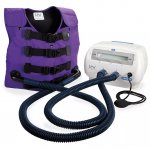
The Vest Airway Clearance System (which is technique independent and treats all lobes of the lungs simultaneously) helps to mobilise pulmonary secretion via high-frequency chest wall oscillation.

"Céad Mile Fáilte!" said ERS President Walter McNicholas, to greet those about to attend this the 14th Annual Congress of the ERS, (Glasgow, Scotland, 4-8 September 2004).