


A novel machine-learning-based solution analyses CT images and helps radiologists detect both malignant and benign lesions in the kidney more quickly and reliably.
A sample of inequality: A new study shows that AI models can infer demographic information from pathology slides, leading to bias in cancer diagnosis among different populations.
Now, a research team has developed a novel diagnostic approach that enables the rapid and simultaneous detection of both antibiotic resistance and high virulence in Klebsiella pneumoniae.
At the JFR 2025 (Journées Françaises de Radiologie), the annual meeting of the French Society of Radiology, an organist and a neuroradiologist came together to share a story that bridges two worlds rarely seen in dialogue – that of sound and that of images. One listens, the other looks. Yet both try to understand the same mystery: what happens in the human brain when music takes control?
Clinical chemistry has evolved far beyond its beginnings of blood and urine analysis. Advanced techniques such as enzyme measurement, electrophoresis, and immunoassays have made their impact on the…

From Mammography to Tomosynthesis - breast imaging is crucial in cancer screening and diagnosis. Keep up-to-date with research news, medical applications, and background information on breast imaging.
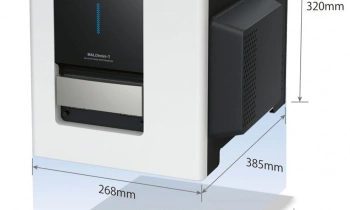
Mass spectrometry is pushing the boundaries of clinical pathology. Keep up-to-date with the latest research news, developments, and background information on the technique.
Radiology, sonography and beyond: Keep reading to find out how imaging techniques like MRI, CT and ultrasound can be used in the diagnosis of diseases and the guidance of medical procedures.
Can CT-derived fractional flow reserve (FFR-CT) be used in patients with angina to predict future major cardiovascular events? A novel AI-based approach for CCTA analysis yields promising results.
Fujifilm announced the European release of its Advanced Laparoscopic Linear Transducer L43LAP, with a wider ultrasound field of view, a tip design intended to facilitate position and orientation…

A novel AI-based method can distinguish between progressive brain tumours and radiotherapy-induced necrosis on advanced MRI. This could help clinicians more accurately identify and treat the issues.
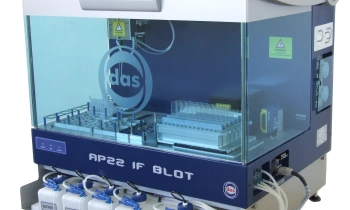
From clinical chemistry to digital pathology: Read more about how modern medical laboratories and procedures in pathology play a vital role in the detection and prevention of diseases and in medical research.
New research shows that a harmless strain of Klebsiella – discovered by chance in laboratory experiments – can eliminate infections and reduce gut inflammation in inflammatory bowel disease (IBD).
A simple blood test that can very accurately predict the chance of survival with good recovery could be of great significance for patients in intensive care after a cardiac arrest.
Even minor functional impairments of the kidneys can have serious consequences for patients after major surgery. New biomarkers could help identify high-risk patients at an early stage.
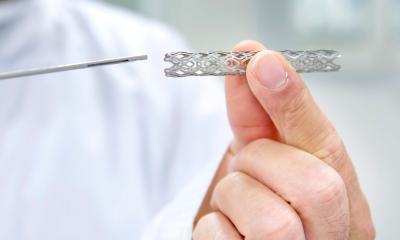
Medical innovations are rapidly expanding therapy options for many diseases. Keep reading to find more information on new therapies, surgical techniques, effective medication and patient care.
Researchers have discovered that low physical activity is associated with a higher risk of lymphedema. They have also noted that a lymph scanner objectively measures changes in the condition.
Radiotherapy is effective against prostate cancer but can cause side effects. Using AI, scientists found that images originally taken to help position patients could also predict rectal bleeding.
A first-of-its-kind study could lead to quicker and more targeted support for vulvodynia - a painful chronic condition estimated to affect more than one in 10 women with no known cause.
In response to rising H5N1 avian influenza cases in Europe, a new framework aims to help countries detect and respond to spillover to humans – from enhanced surveillance to pandemic preparedness.
Climate change, poverty, and drug resistance are combining to create an escalating health crisis that could become a ‘creeping catastrophe’ if left unaddressed, a new international study finds.
How can hospital design help adapt to pandemics and climate emergencies? To explore new solutions for smart and sustainable healthcare, experts from Taiwan and Sweden shared their experiences.
Introducing mobile iCTG dramatically improves the detection of fetal heart rate abnormalities and strengthens perinatal outcomes - even in resource-constrained environments, a new study shows.
Artificial intelligence is reshaping how clinicians identify women at higher risk of breast cancer – and may soon guide decisions on supplemental screening and treatment. At the European Society of…
Facing a mental health crisis, more and more people turn to chatbots and AI characters. While they offer new possibilities, they also pose great risks, especially for vulnerable users, experts warn.
When scientific curiosity paves the way for improved healthcare: Read more about promising studies and trials that lead to more effective drugs, procedures as well as medical guidelines.
Cardiovascular disease and depression do not co-occur by chance; the TO_AITION project aims to enable earlier diagnosis of comorbidity, better risk prediction and personalised treatment strategies.
To soften up tumors prior to cancer chemotherapy, a team of researchers paired high-frequency ultrasound waves with a type of sound-responsive particle to reduce the protein content of the tumors.
Despite significant advances in the treatment of atrial fibrillation, a new Danish study shows that social inequities in survival have remained virtually unchanged over the past 20 years.
healthcare-in-europe.com (HiE) - Your guide to world of medical technology in Europe
HiE is a platform for the latest trends in medical technology, innovative procedures and advances in medical research. We cover a broad range of topics from diagnostic imaging, therapy, eHealth, automation, lab and digital pathology to market trends and healthcare insights. We are your guide to the world of medical technology in hospitals and clinics in Europe.
This website uses cookies to give our readers the best website experience. Please refer to our privacy policy to find out how we use cookies and how you can edit your preferences.