

News • Microbiome
Fatty acids fuel cancer-promoting gut bacteria
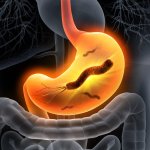
TU München researchers discover how chronic cellular stress changes gut microbiome composition, promoting cancer development through altered lipid metabolism.

TU München researchers discover how chronic cellular stress changes gut microbiome composition, promoting cancer development through altered lipid metabolism.

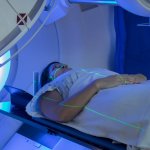
Study of 3.7 million children reveals small but significant increased risk of blood cancers from medical imaging radiation, with CT scans posing highest risk

A new technique has measured boron in individual cancer cells for the first time, enabling researchers to better understand how drugs act to kill tumours in some cancers.

Researchers explored two promising new biomarkers as potential radiotheranostic targets for endometrial cancer. This could help identify patients who are likely to respond to targeted therapeutics.

Currently, cancer treatment evaluation focuses heavily on survival outcomes, but doesn't adequately consider how treatments affect quality of life. A new policy review aims to change this.

Self-learning artificial intelligence approaches are offering a number of advantages for digital pathology when compared to established AI options. The benefits, which range from greater speed and capacitive flexibility to ‘wholly interpretable’ analyses, were outlined at the Digital Pathology and AI Congress in London.

A newly developed method to accurately quantify how much radiation is absorbed by the blood during cancer treatment could lead to more personalised, preventive, and safer radiotherapy.

Studies have found that natural polysaccharides from a medical fungus endemic to Taiwan can not only effectively inhibit inflammation, but also fight the proliferation of lung cancer cells.

Researchers report they have built a new non-toxic and non-radioactive handheld device that uses the unique properties of diamonds to diagnose metastasized breast cancer.

The vaginal microbiome is a largely overlooked area of medicine that could dramatically improve outcomes for common infections, infertility and even cancer for millions of women, a new review finds.

Microsatellite instability-high (MSI-H) tumors are associated with better clinical outcomes. A novel AI model for accurate MSI prediction could help battle gastric and colorectal cancers.

Tumor vesicles may serve as early indicators of cancer and help monitor the effectiveness of treatments. Now, researchers discovered a new way to detect these vesicles.

How cancer cells survive the journey through the body to form metastases is still poorly understood. New insights into how cells survive intense physical stress could pave the way for new treatments.

A new, bacteria-based contrast agent illuminates tumors like a neon sign during surgery, enabling more precise resection and reducing the risk of recurrence.

Through quantitative real-time monitoring of cell spatiotemporal dynamics, or cell changes over time, electrical impedance spectroscopy (EIS) could be used to predict cancer growth.

A new AI-based tool measures cancer aggressiveness by analyzing the ‘stemness’ of tumors – their similarity to pluripotent stem cells. This could pave the way for new therapies.

Molecular markers in saliva could reveal the risk of a person developing major diseases such as cancer, cardiovascular diseases, diabetes and neurodegenerative diseases, new research finds.

Molecular profiling of over 1,000 nasopharyngeal cancer (NPC) tumours reveals distinct differences in tumour microenvironment of locoregionally advanced NPC, supporting personalised treatment.

A research team at the University of Geneva has identified two new proteins that regulate gene expression, a discovery that could pave the way for new cancer and brain disorder treatments.

New research makes a strong case for a new dual-targeting radiopharmaceutical, designed to attach to two vulnerable sites on cancer cells, enabling more precise and potent therapy.

Tongue squamous cell carcinoma, the most common type of oral cancer, is a challenging target for immunotherapies. Researchers now identified five immunotypes to better predict treatment response.

A major challenge in cancer genomics is separating meaningful mutations from false positives. A new tool uses machine learning to significantly reduce these errors.

Childhood cancer diagnosis times span from immediate to delays of several years, according to a new study. Young bone tumor patients are among the most affected by these delays.

With the introduction of boron neutron capture therapy (BNCT), Helsinki University Hospital offers a new radiation therapy method that can destroy cancer cells while sparing the surrounding tissue.

Jakob Kirkegård is a physician, associate professor, and now also a doctor at Aarhus University's Department of Clinical Medicine and Aarhus University Hospital. He has just obtained his doctoral degree in the surgical treatment of pancreatic cancer – one of the most deadly forms of cancer.