


News • (B)eating cancer
Bacteria to consume tumours from the inside out
A research team led by the University of Waterloo is developing a novel tool to treat cancer by engineering hungry bacteria to literally eat tumours from the inside out.

A research team led by the University of Waterloo is developing a novel tool to treat cancer by engineering hungry bacteria to literally eat tumours from the inside out.

Worsened delusions, mania, suicidal ideation, eating disorder: People with mental illness who use AI chatbots risk experiencing a worsening of their condition, a new study shows.

Although tumours may at first shrink under therapy, they often regrow or even become resistant. A new study suggests switching to a second treatment while the tumour is still responding to the first.

Researchers have created a ‘cyborg’ pancreas device - an ultrathin mesh of conductive wires within growing pancreatic tissue - that could open up new ways for treating diabetes.

Diabetes and kidney disease are among the biggest — and most overlooked — drivers of heart disease. A new survey shows many people don't even know the connection exists.

“Each pregnancy leaves a unique mark on the female brain”: Research shows that mothers' brains distinctly change, not just during the first pregnancy, to better care for multiple children.

Type 2 diabetes and high blood pressure share a genetic link, new research from the UK and France shows. People with one condition are more likely to develop the other.

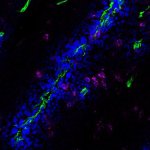
A new type of 3D imaging reveals how amyloid β (Aβ) deposits spread along blood vessels in the human brain. This could lead to targeted therapies for Alzheimer's disease and CAA.

Radiotherapy is more effective when administered at the right time of day, according to new research. This discovery opens the door to cancer “chronotherapy”, the researchers hope.

People who suffer from a traumatic brain injury (TBI) often have lasting difficulties returning to work and may need long-term, multidisciplinary care, a new study shows.

Not just linked to diabetes: For the first time, researchers demonstrated that insulin resistance is a risk factor for 12 types of cancer, including uterine and breast cancer.

Can a Covid-19 vaccination reduce fertility? A new study from Linköping University finds no evidence to back up rumours naming vaccinations as a cause behind a decrease in childbirth.

Not all cancer mutations are equal: new research shows that a single mutation hotspot can generate a rich diversity of tumour behaviours. This could lead to more personalised cancer treatments.

Promising new research points to a new immunotherapy approach that could help preserve viable neurons in people with Parkinson’s disease.

Severe headache, neck pain or confusion: More than 25% of pregnant women suffering non-specific stroke symptoms sought care but were misdiagnosed, University of Pittsburgh research finds.

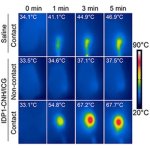
Scientists have shown that a type of laser similar to the one currently used in routine eye surgery could one day help surgeons remove unwanted tissues, such as tumours, with unprecedented accuracy.

Women who had a stroke caused by blocked blood vessels (ischemic stroke) are twice as likely to have another stroke during pregnancy and within six weeks of childbirth, according to a new study.

Brain fog explained: People with ME/CFS and long Covid experience a disruption to their brain connectivity during a mentally demanding task, new research finds.

Why do some tumours spread while others remain localised? Using colon cancer cells, scientists pinpointed the criteria that influence metastasis risk, and identified a way to assess its probability.

A new type of lab-grown organoid that mimics the behaviour of a human stomach could boost the understanding of rare gastric diseases, researchers say.

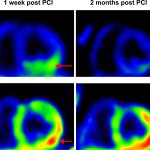
Pioneering research has shown that heart muscle cells regrow after a heart attack, opening up the possibility of new regenerative treatments for cardiovascular disease.

Why does Huntington’s disease begin at very different ages? Using advanced AI techniques, neuroscientists from the University of Barcelona found a way to better answer this question.

Chemotherapy does more than kill cancer cells: It reshapes the gut microbiome, making the body less permissive to metastasis. This finding opens new avenues for adjuvant strategies.

The causes for motor neuron diseases like ALS are largely unknown, but environmental factors have long been suspected of playing a part. A new study shows that air pollution can be one such factor.

Non-invasive, millimetre-scale diffusion MRI (dMRI) can be used to detect morphological changes in axons – a common hallmark of a wide range of neurological disorders, new research shows.