

News • ‘Reverse genetics’ system
New approach to norovirus vaccine and drug development
Norovirus is the leading cause of gastroenteritis and is responsible for hundreds of thousands of deaths every year. However, research progress into antiviral treatments and vaccines has been hindered by the absence of a robust ‘reverse genetics’ system.
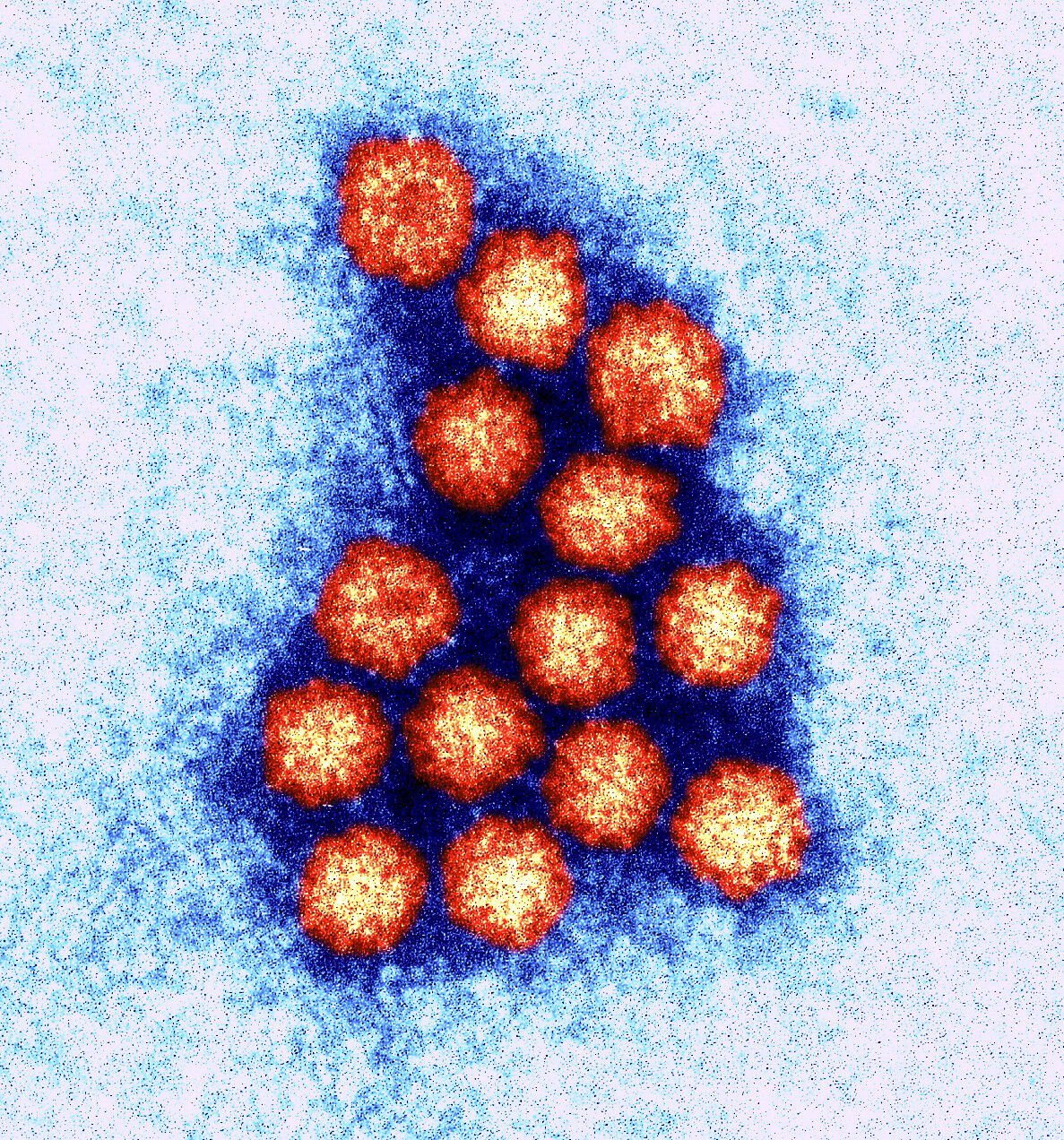
Image source: David Gregory & Debbie Marshall via Wellcome Collection (CC BY 4.0)
Now, a team at The University of Osaka has successfully overcome this long-standing barrier to norovirus research, developing a simple and efficient research system for human norovirus. The researchers published their findings in the journal PNAS.
Reverse genetics systems allow the functions of genes to be determined by changing an individual gene and observing the result, creating what is known as a ‘recombinant’ virus. They are powerful tools for studying how viruses replicate and cause disease, and aid in the development of novel antiviral therapies and vaccines. The team at The University of Osaka applied virological techniques to a zebrafish model to create a novel reverse genetics system capable of generating infectious human noroviruses.
The system they developed involves the direct injection of norovirus cDNA clones into zebrafish embryos, which is a very simple and efficient method to generate infectious noroviruses. The team demonstrated the utility of this system by generating genetically manipulated noroviruses, possessing specific mutations or tagged with ‘reporter genes’.
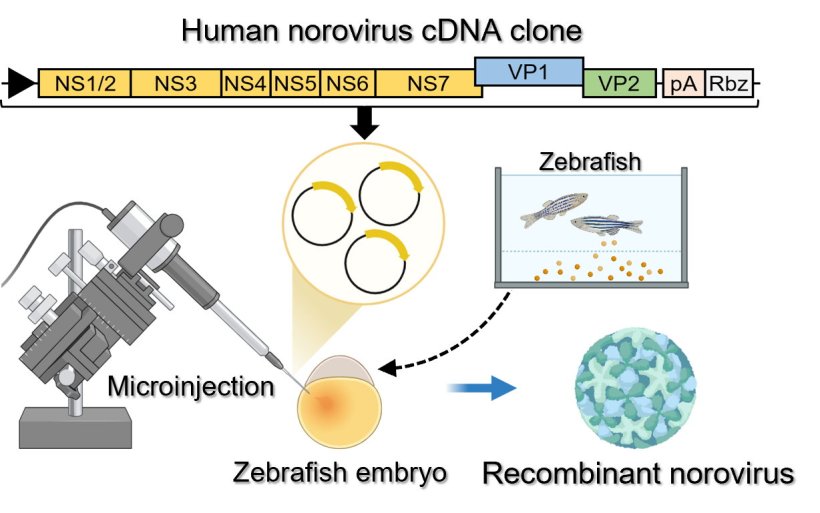
Image credit: Takeshi Kobayashi (Created with Biorender.com)
Reporter genes are genetic modifications, such as chemiluminescent molecules, that can tag the virus and report on its activity and location within a host cell, enabling visualization of the virus in action. This ability to manipulate the virus enables the mechanisms of viral replication and pathogenesis to be investigated. “This will also allow the development of novel vaccines with controlled antigenicity and pathogenicity,” explains senior author Takeshi Kobayashi.
This system fills a critical gap in human norovirus research. The ability to support antiviral screening and accelerate vaccine development could make it a transformative tool for the field. As this approach becomes more widely used, it will lay the groundwork for more effective public health strategies and a markedly reduced global burden of norovirus infection.
Source: University of Osaka
10.12.2025