


News • Clinically validated framework
AI helps detect kidney cancer faster
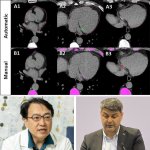
A novel machine-learning-based solution analyses CT images and helps radiologists detect both malignant and benign lesions in the kidney more quickly and reliably.

A novel machine-learning-based solution analyses CT images and helps radiologists detect both malignant and benign lesions in the kidney more quickly and reliably.

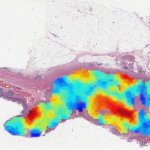
A sample of inequality: A new study shows that AI models can infer demographic information from pathology slides, leading to bias in cancer diagnosis among different populations.

Now, a research team has developed a novel diagnostic approach that enables the rapid and simultaneous detection of both antibiotic resistance and high virulence in Klebsiella pneumoniae.

Researchers have discovered that low physical activity is associated with a higher risk of lymphedema. They have also noted that a lymph scanner objectively measures changes in the condition.

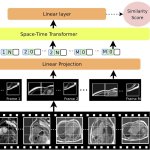
Can CT-derived fractional flow reserve (FFR-CT) be used in patients with angina to predict future major cardiovascular events? A novel AI-based approach for CCTA analysis yields promising results.

A novel AI-based method can distinguish between progressive brain tumours and radiotherapy-induced necrosis on advanced MRI. This could help clinicians more accurately identify and treat the issues.

Philips and Cortechs.ai have extended their collaboration to integrate AI-enabled quantitative neuroimaging analytics directly into MR systems. The partnership aims to provide radiologists with automated, objective measurements of brain structures and lesions to support diagnosis and monitoring of neurological conditions.

A patient reports with chest pain, but in the coronary angiogram, the main heart arteries look clear, so it cannot be angina – right? A new study reveals that this approach can easily lead to misdiagnosis.

Just like the “ABCDE” mnemonic for melanoma awareness, researchers hope their diagnostic tool will transform how doctors approach persistent rashes, reminding them to consider lymphoma sooner.

An innovative Group A Streptococcus “One-Step Antigen Extraction + Detection” Kit (immunochromatography), developed by GenSure Biotech Inc., has successfully obtained both Class B and Class C EU IVDR certifications for in vitro diagnostic medical devices.

In emergency settings, AI to analyze ECG data can improve detection of severe heart attacks, including those with unconventional symptoms, or atypical ECG patterns, and reduced false positives.

Developmental dysplasia of the hip occurs in 2-4% of infants, but screening via ultrasound is notoriously hard to master. An AI-assisted application could prevent many unnecessary hospital referrals.

Magnetic resonance imaging (MRI) holds great potential to spare men with suspected prostate cancer a painful biopsy. In our interview, Dr. Peter Seidensticker, Head of Medical Affairs Radiology at Bayer, outlines how MRI could be implemented as a first-line diagnostic.

Newly discovered blood biomarkers may offer new options to track Duchenne muscular dystrophy (DMD) in a less invasive way than physical tests or biopsies. This could support more tailored treatments.

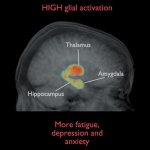
Traditional diagnostic methods for epilepsy face significant limitations. A new clinical trial explores the potential of advanced brain monitoring to improve diagnosis and management of the condition.

Chronic fatigue (ME/CFS) affects millions worldwide, but is poorly understood and has long lacked reliable diagnostic tools. Now, a new blood test claims to diagnose the condition with 96% accuracy.

Researchers from the University of Birmingham’s Bladder Cancer Research Centre have found a new way of detecting tumour DNA in urine to identify bladder cancer.

Scientists created precise replicas of Candida sugar coats to understand immune responses, enabling fast bedside testing that could replace slow lab cultures.

Misinterpreting the malignancy risk of lung nodules often results in high false-positive rates, unnecessary follow-ups, increased patient anxiety and healthcare costs. A new study suggests that AI can fix this.

One in three people do not want to know about serious illnesses—even if they might be affected themselves. A new review study explores the reasons for this deliberate ignorance.

As digital transformation accelerates across healthcare, AIRA Matrix stands at the forefront of artificial intelligence innovation in pathology. The company will showcase its comprehensive portfolio of AI-driven diagnostic and analytical solutions at the upcoming European Congress of Pathology in Vienna this September.

Men assessed as healthy may still have an early form of prostate cancer. Using AI, researchers found signs that were missed in more than 80% of samples of men who later developed cancer.

Mammography image interpretation AI models are unreliable – but so are human readers. A new hybrid strategy could reduce radiologist workload by 38% without compromising diagnostic efficacy.

AI tools for adenoma polyp detection are designed to help increase the accuracy of colonoscopies. However, a new study finds that using AI may lead to loss of detection skills in health professionals.

New research suggests that KFRE, a common prognostic tool to predict kidney failure, could underestimate the risk for individuals with chronic kidney disease (CKD) who also have frailty.