


News • Ultrasound-based lesion detection
Ovarian cancer diagnosis improved by AI
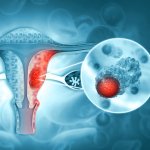
Ovarian cancer is common and often only detected by chance. A newly developed AI-based model could help differentiate between benign and malignant ovarian lesions.

Ovarian cancer is common and often only detected by chance. A newly developed AI-based model could help differentiate between benign and malignant ovarian lesions.

"Negative" results are good, and CAT scans are taken without felines: Medical jargon can be confusing for children, so pediatrics experts call for clearer language to avoid invoking fear.

Women with breast implants should regularly attend follow-up care to avoid the risk of "silent" implant ruptures and their long-term complications, experts caution in a new publication.

More than half of pregnant women in the UK with gestational diabetes are unaware of their condition due to insufficient diagnostics, a study suggests. This could lead to unneccessary complications.

In a new study, researchers have shown, for the first time, that a particular form of MRI, called diffusion tensor imaging, is capable of robustly detecting pre-malignant lesions in the pancreas.

Analyses of self-tests for human papillomavirus (HPV) can be used to divide HPV-positive women into three risk groups, according to a new study. This could enhance cervical cancer screening.

Can an AI determine whether or not a person drinks beer by looking at their knee X-rays? It can't – but the claim shows why “shortcut learning” is such a dangerous mechanism in medical AI.

Treating patients with Hodgkin lymphoma with a different form of chemotherapy shows promise to reduce severe side effects, shorten hospital time and increase likelihood of recovering fertility.

A new study shows that a simplified, low-field MRI machine, augmented with machine learning tools, matches conventional MRI in measuring brain characteristics relevant to Alzheimer's disease.

New study results could help detect whether a newborn baby with fever has sepsis or another serious bacterial infection, without the need for invasive testing.

Experts have used magnetic resonance imaging (MRI) to better understand the impact a gluten free diet has on people with celiac disease, which could be the first step towards new treatments.

A new MRI-based imaging technique predicts the response of ovarian cancer tumours to treatment, and rapidly reveals how well treatment is working, in patient-derived cell models.

Spinal cord stimulation is performed for patients with chronic pain. However, for some patients, the procedure is not effective. A new method involving fMRI could help predict success.

Large language models (LLM) show promise in detecting hospital patients at risk of committing suicide. This could help warn medical staff in time while maintaining the patients' privacy.

Depression may be a cause, rather than a consequence, of period pain, a new study finds. This further highlights the need for a holistic approach when treating mental health and reproductive issues.

After a heart attack, women in Scotland are less likely to receive preventative medicine than men, a new study shows. This could put them at greater risk of further heart attacks, strokes and CVD.

A traumatic brain injury (TBI) affects children differently than adults, a new study shows. The researchers found that paediatric patients are more prone to damage of the smallest brain vessels.

After a Covid-19 infection, patients may suffer from a variety of symptoms, including difficulty concentrating (“brain fog”). New research now linked the condition to impaired lung function.

Analysing almost a decade of hospital data, new research shows a clear association between high turnover rates of nurses and doctors in NHS hospitals and a troubling rise in patient mortality rates.

Two studies indicate warning signs about spread of bacteria resistant to the same group of antibiotics (carbapenems) in both healthcare and community settings across Europe.

A certain type of cells, called aneuploid epithelial cells, are usually associated with breast cancer. However, new research reveals that they can also be found in healthy women.

When an AI advisor points out an area of concern in a chest X-ray, radiologists are sometimes all too eager to follow their lead, a new study finds. This may lead to incorrect diagnostic decisions.

Nanoplastics are not only bad for the environment: A new study has shown that minuscule particles of plastic which enter the body also can impair the effect of antibiotic treatment.

A new study investigating the impact of AI in healthcare shows that using LLMs to process thousands of patient records daily across multiple hospitals could lead to substantial resource consumption.

Researchers have published findings that show the genetic structure of the heart’s shape may offer new insights into individual heart health.