

News • Basal cell carcinoma diagnostics
BCC: AI helps identify aggressive types
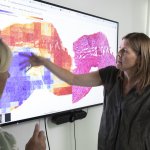
Dermatologists could benefit from a new algorithm that can help recognize patients with a highly aggressive form of basal cell carcinoma (BCC) of the face.

Dermatologists could benefit from a new algorithm that can help recognize patients with a highly aggressive form of basal cell carcinoma (BCC) of the face.

Radiotherapy of prostate cancer often comes with side effects, causing some patients to discontinue treatment. New research shows the benefits of at lowering the dose over subsequent treatment cycles.

For patients with atrial fibrillation, using a wearable device can lead to higher anxiety about symptoms and treatment, doctor visits, and use of informal healthcare resources, a new study finds.

Can an AI predict the progression of multiple sclerosis in a patient over the subsequent months and years? Researchers in Belgium used machine learning to do just that – with promising results.

AI models perform increasingly well in answering medical questions. However, when it comes to explaining these answers, shortcomings become apparent, a new study shows.

Sentinel lymph node biopsies can help detect breast cancer – but not every patient benefits from the procedure. New research finds that a simple EHR prompt can prevent unnecessary surgery.

A surgical technique called total mesometrial resection (TMMR) is associated with better outcomes than current treatments. A new study shows a significantly lower risk of disease recurrence and death.

Researchers have developed a model to predict cognitive decline in patients with mild cognitive impairment or mild dementia due to Alzheimer's disease. The next step is an app that uses this model.

A new study shows that extracellular vesicles shed by prostate cancer cells contain tumor-derived material that can be used as biomarkers of therapy response and resistance in metastatic disease.

A new study describes the outcome of a new approach to testing for Clostridioides difficile (C. diff) guided by the principles of diagnostic stewardship, to help rein in the overtreatment of patients.

A new smartphone face-screening tool could help paramedics to identify stroke in seconds – much sooner and more accurately than is possible with current technologies.

Finnish researchers found that using a mobile application based on cognitive behavioral therapy can significantly boost success rates of people attempting to stop smoking.

Using artificial intelligence (AI), breast radiologists in Denmark have improved breast cancer screening performance and reduced the rate of false-positive findings.

A new study suggests that tattoos could be a risk factor for cancer in the lymphatic system, or lymphoma. Now, the researchers underline the need for more research on the topic.

Physicians using a virtual scribe spend significantly less time in the eHR, a new study finds. This reduces their burden and frees up time for patient care – and AI could push this even further.

Lung cancer screenings save lives – especially for those who live in economically deprived areas, a new study confirms. The researchers further demonstrate the benefits of using low-dose CT imaging.

Burnout, fear of infection, lack of support: One in three doctors and nurses considered leaving their job, or the healthcare profession altogether, during the Covid-19 pandemic, a new study shows.

Metabolic disorders, renal failure, UTIs, sepsis, poisoning: The higher temperatures climb in summer, the more people are hospitalized, a study shows - with some groups being more at risk than others.

Current AI systems for detecting breast cancer from mammography exams are more likely to produce false-positive results in black women and older patients, a new study finds.

Researchers have been able to fine-tune how magnetic resonance imaging (MRI) is used to detect heart failure in women’s hearts, making it more accurate for female patients.

New research finds that care in hospitals with more women on surgery teams (as anesthesiologists and surgeons) was associated with better post-operative outcomes for patients.

When people are ill, they feel less empathy for others than when they are healthy. This has been confirmed in a new study conducted by Ruhr University Bochum and the University of Duisburg-Essen.

A new study suggests superiority of the novel investigational PET imaging agent ⁶⁸Ga-DPI-4452 (Debio 0328) to standard CT imaging in the context of clear cell renal cell cancer (ccRCC).

Adding a new dimension to pathology: Researchers explore new, deep learning models that can use 3D pathology datasets to make clinical outcome predictions for curated prostate cancer specimens.

The rate of sepsis in newborns across Sweden has greatly decreased – however, the use of antibiotics for sepsis prevention has not. A new study points out the extent of the overuse.