

Photo

Article • Rapid, reliable microbe identification

The Bologna Workflow System

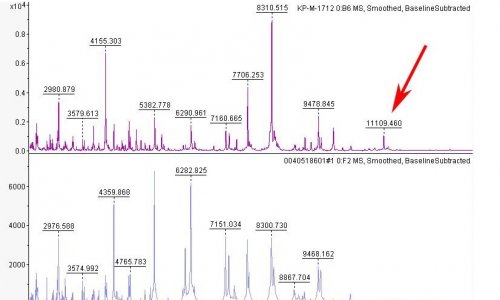
Many countries across the world are challenged with a rising number of incidences of multi-drug resistant (MDR) organisms infecting the population, and for several years, a clear pattern of increased resistance has emerged in southern and eastern European countries. For example, in countries such as Italy, a reduced number of therapeutic options remain available for highly pathogenic infections, so research is targeting technologies that can rapidly detect infecting organisms with a high degree of accuracy, and establish the level of antimicrobial susceptibility.
Photo

Sponsored • Lab equipment

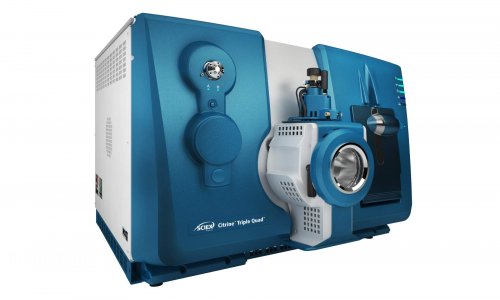
Citrine MS/MS – your Medical Diagnostic mass spectrometer

In the modern diagnostic lab, analytical challenges demand increased sensitivity, speed, robustness and reliability of any diagnostic system, and mass spectrometry is no different. Designed and…

Photo

Article • To the core

Mass spec needs experienced operators

As mass spectrometry proves to be a more consistent and accurate tool in biochemical measures, with acknowledged advantages over immunoassays, its role in diagnostics has escalated. Headed by…

Photo

Article • Heroin, fentanyl, carfentanyl

Mass Spec detects illicit drugs

As a synthetic opioid approved for treating severe pain, fentanyl has shown clear medical benefits. However, in recent years, continuous abuse of fentanyl and its derived analogues substances has become a major public health issue – overdoses and deaths associated with illicitly-manufactured fentanyl rose dramatically.
Photo

Sponsored • Chemotherapy

5-FluoroUracil: Curing or killing the patient?

Fluoropyrimidine-based chemotherapies are widely used, at least in the European area, for treating various types of cancer including digestive, breast, throat and brain cancer. Fluoropyrimidines are…

Photo

Sponsored • Liquid chromatography/mass spectrometry

LC-MS: Calling for easy-to-use platforms

Liquid chromatography/mass spectrometry (LC-MS) is an established powerful tool in routine clinical use and clinical research. However, to further capitalise on its benefits, instrument and…

Photo

Article • Mass spectrometry in patient care

LC-MS/MS: Why qualitatively high-value analysis is cheaper in the end

In the past, we repeatedly focused our attention on developments in the clinical application of mass spectrometry-based methods in patient care. Various aspects became significant. Today, the use of…

Photo

Article • Automation

Mass spectrometry is advancing laboratory practice

Mass spectrometry is moving laboratory medicine to increasingly automated discrete analysis methods, resulting in ever faster and more reliable results. It is also leveraging economies of scale as an increasingly cost-effective tool, says Craig Webster, Consultant Clinical Scientist and Clinical Lead, Department of Biochemistry and Immunology at Heartlands Hospital in Birmingham. Speaking about ‘Advances in Mass Spectrometry – future diagnostic uses’ during FiLM 2018 – Frontiers in Laboratory Medicine congress this January, Webster outlined how mass spectrometry is being automated for common analytes and how this may change laboratory medicine practice.

Photo

Sponsored • Testing technology

Vitamin D testing: LC-MS outperforms immunoassays

In recent years, clinicians have increasingly focused on vitamin D deficiency. Studies show that previous reference values – particularly for Vitamin D3 – were most probably set too high. Liquid…

Photo

Interview • Liquid chromatography-mass spectrometry

Increasing productivity and throughput in the lab

Liquid chromatography-mass spectrometry (LC-MS) has become a highly valued procedure in state-of-the-art laboratories – among them the Dr. Wisplinghoff Laboratory in Cologne, which adopted the…

Photo

Interview • Combined power

LC-MS research and routine use

LC/MS, i.e. the combination of liquid chromatography (LC) with mass spectrometry (MS) – an analytical method developed primarily for environmental analysis and live science – remains a keen topic…

Photo

Interview • Status quo and recent developments

What's new in liquid chromatography-mass spectrometry?

European Hospital has recently focused on the development of liquid chromatography-mass spectrometry (LC-MS) for use in analytical/medical diagnostics. Dr Stavros Kromidas, an expert in…

Photo

Interview • Shimadzu Europa 50th anniversary

Mass spectrometry and ever more…

As Shimadzu celebrates its 50th anniversary in Europe, we spoke with Stéphane Moreau, Manager of LC-MS & Life Sciences at the Marketing Europe/Analytical Business Unit of Shimadzu Europa GmbH,…

Diagnostic imaging

Radiology, sonography and beyond: Keep reading to find out how imaging techniques like MRI, CT and ultrasound can be used in the diagnosis of diseases and the guidance of medical procedures.

Photo

News • New MS monitoring approach

PET imaging reveals synaptic loss in multiple sclerosis

A new PET imaging approach that measures synaptic density in the spinal cord provides a quantitative way to assess the brain's functional wiring in patients with multiple sclerosis.

Photo

News • Congenital heart condition

Tetralogy of Fallot: 3D map gives new insights

Researchers have produced the first 3D map of the heart’s electrical wiring in Tetralogy of Fallot, revealing features that may explain why many patients develop heart conduction disorders.

Photo

News • Imaging with minimal diffusion data

Simulations + AI = faster brain MRI scans

A new AI-based method can reduce the time required for certain MRI brain scans by up to 90% while maintaining a high level of accuracy, paving the way for more efficient and accessible neuroimaging.

Products from Radbook

Laboratory/pathology

From clinical chemistry to digital pathology: Read more about how modern medical laboratories and procedures in pathology play a vital role in the detection and prevention of diseases and in medical research.

Photo

Sponsored • Laboratory Diagnostics

Early Detection of Invasive Fungal Infections: The β-D-Glucan Test on the LIMUSAVE MT-7500

Invasive fungal infections are silent, fast-moving, and notoriously hard to catch in time. The FUJIFILM Wako β-D-Glucan Test on the LIMUSAVE MT-7500 gives clinical laboratories a quantitative,…

Photo

News • OPTIMA trial results

Gene test could safely spare breast cancer patients of chemotherapy

Many people with breast cancer can avoid chemotherapy with a gene test, potentially sparing them side effects without increasing the risk of the cancer returning, a clinical trial has found.

Photo

News • Metabolic health

Obesity helps breast cancer become invasive

Obesity may change how early-stage breast cancer becomes invasive, according to a new study. The findings could help improve physicians’ ability to predict and treat the disease.

Products from Labbook

Treatment

Medical innovations are rapidly expanding therapy options for many diseases. Keep reading to find more information on new therapies, surgical techniques, effective medication and patient care.

Photo

News • Novel radiopharmaceutical therapy

Promising treatment option for aggressive neuroendocrine tumors

A new type of peptide receptor radionuclide therapy (PRRT) appears to be safe in metastatic neuroendocrine tumor patients who have exhausted conventional treatment options.

Photo

News • Study measures health impact

Reusable catheters = infection risk? New study says no

For decades, patients have been strictly advised to use single-use catheters to prevent urinary tract infections (UTIs). However, a new study suggests that reusable options are equally safe.

Photo

News • Remote rehabilitation

iRehab: Towards better recovery for intensive care survivors

A new clinical trial has identified new opportunities to improve recovery for intensive care survivors through remote rehabilitation delivered in patients’ homes.

Management

Time to bring out the white collars: Read more about the economy and politics of health as well as optimised hospital and patient management.

Photo

Article • Pros and cons of academic-industry partnerships

Computational pathology: Building bridges between labs and business

Academic-industry partnerships are playing a crucial role in advancing computational pathology. At the Digital Pathology and AI Congress: Europe in London in December, Liron Pantanowitz outlined the…

Photo

News • Polyendocrine Metabolic Ovarian Syndrome

From PCOS to PMOS: is a name change enough to make a difference?

Polycystic Ovary Syndrome (PCOS) is being renamed Polyendocrine Metabolic Ovarian Syndrome (PMOS) – but will it help those it affects? Experts argue what else needs to change to make a difference.

Photo

News • Decarbonisation effort

“MedZero”: Global database shows carbon footprint of healthcare products

Data experts have created the first global carbon analytics database – a new resource to help hospitals and clinics save money, reduce waste, improve patient care, and tackle climate change.

IT/Tech

From AI-based image analysis to virtual therapies: Find out how digitalisation and cutting-edge IT solutions advance the medical landscape.

Photo

News • Fetal monitoring

Wearable ultrasound patch to improve care for high-risk pregnancies

Engineers have created a soft, wearable ultrasound patch that can continuously monitor a fetus for hours at a time — and do so even as the fetus and umbilical cord constantly move during pregnancy.

Photo

News • Contrastive language image pretraining

AI system to interpret cardiac MRI scans with enhanced accuracy

A team of researchers has developed an AI system capable of interpreting some of the most complex heart scans in medicine, cardiac MRI, without the need for manually labeled training data.

Photo

News • Pectus excavatum surgery

VR could help reduce post-OP pain for pediatric patients

Virtual reality (VR) before surgery could help reduce pain in the early postoperative period among adolescents undergoing surgery for funnel chest (pectus excavatum), according to new research.

Research

When scientific curiosity paves the way for improved healthcare: Read more about promising studies and trials that lead to more effective drugs, procedures as well as medical guidelines.

Photo

News • Minimally invasive stimulation

Microrobots repair spinal cord damage

A new approach to repair spinal cord injuries: A biohybrid robot combining therapeutic stem cells with magnetoelectric nanoparticles. First tests on zebrafish and mice show promise.

Photo

News • Hooked to help

Bioengineered hookworms could serve as drug factories inside the gut

A hookworm can survive in the human gut for years. Researchers have now harnessed that biological mechanism, engineering a hookworm to produce and deliver a drug within a living host.

Photo

News • Post-injury axon regrowth

Lab-grown model shows ‘irreversible’ spinal cord damage may be reversed

When the spinal cord is damaged, the resulting paralysis is usually considered permanent. Now, a new research approach using lab-grown organoid models suggests that it actually might be reversed.

healthcare-in-europe.com (HiE) - Your guide to world of medical technology in Europe

HiE is a platform for the latest trends in medical technology, innovative procedures and advances in medical research. We cover a broad range of topics from diagnostic imaging, therapy, eHealth, automation, lab and digital pathology to market trends and healthcare insights. We are your guide to the world of medical technology in hospitals and clinics in Europe.
Subscribe to Newsletter