

News • New antibodies discovered
Researchers snake toward a universal antivenom
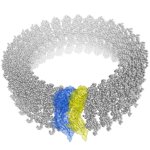
Scientists have developed an antibody that can block the effects of lethal toxins in the venoms of a wide variety of snakes found throughout Africa, Asia and Australia.

Scientists have developed an antibody that can block the effects of lethal toxins in the venoms of a wide variety of snakes found throughout Africa, Asia and Australia.

Patients suffering from cartilage defects in the knee may benefit from a new method in development: Using cartilage from the nose, researchers grow a tailor-made implant.

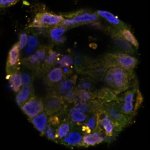
A research team created "laboratory testicles" that may significantly advance understanding of the mechanisms involved in sex determination and provide solutions for male infertility.

Chronic stress can have a significant impact on health, from an increased risk for heart disease to a greater susceptibility of cancer metastasis. New research points out the underlying mechanisms.

Cancer patients receiving radiotherapy run the risk of injuring their lungs. This can lead to conditions like pneumonitis and fibrosis. A new cell-by-cell model can help make treatments safer.

Researchers have identified how cells work to resolve "frozen shoulder", a painful and disabling condition affecting the ligaments that form the shoulder joint capsule.

Not all medication can safely be taken together. Using a machine-learning algorithm, researchers predict interactions that could interfere with a drug’s effectiveness.

Researchers have developed a 3D-bioprinted, miniaturized chip to advance the understanding of cardiovascular disease and aid in the development of new precision treatments.

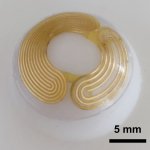
After a stroke, patients often experience uncontrollable spasms of their arms and hands. Engineers have developed a glove-like wearable medical device that offer relief for the condition.

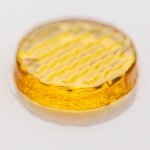
Material scientists at TU Wien (Vienna) have developed a new approach to producing artificial cartilage tissue: using a 3D printer, cells are grown in microstructures.

Researchers have unveiled a detailed understanding of immune responses in cancer, potentially paving the way for the development of new therapeutic strategies, the team hopes.

A newly-developed biosensor could be an alterative to MRI and mammography for breast cancer screening. The handheld device uses saliva on test strips to determine whether cancer is present.

Research reveals how a new mechanism could improve the efficiency of current treatments for diabetes. This may open up new ways of approaching metabolic diseases that are a global health problem.

In a new article, digital health experts discuss how medical data from citizens could be used for research in the future while respecting personal rights.

Under certain circumstances, lung tumours can transform into another, more aggressive cancer type. Now, researchers have found a way to illuminate this process, known as histological transformation.

The loss of myelin sheaths in the brain is a hallmark of multiple sclerosis. Swiss researchers have now developed an MRI method that maps the condition of this nerve insulation layer more accurately.

A new breast imaging technique provides high sensitivity for detecting cancer while significantly reducing the likelihood of false positive results, according to a new study.

Heat waves are becoming more common due to climate change. Researchers in Cologne explore what this might mean for the effectiveness of medication.

Targeting a specific protein, Finnish researchers may have found a way to restore drug-resistant neuroendocrine prostate cancer to a state that responds to treatment.

During the Covid-19 pandemic, Switzerland relied on contact tracing to identify people likely to have been contaminated by an acquaintance. A research team assessed the effectiveness of this method.

Was dementia already an issue for Hippocrates and his contemporaries? A new analysis of classical Greek and Roman medical texts suggests that Alzheimer's is connected to modern environments.

Instead of killing viruses and bacteria with chemical disinfection, a new approach uses minuscule spikes to skewer them. This could be used to prevent surface contamination in hospitals or labs.

Researchers in Japan and the US have developed technology to robustly augment the amount of MHC class I molecules in cancer cells. This makes them easier to find and destroy for the immune system.

Neuroscientists recently discovered that low-dose ionizing radiation (LDIR) can reduce lesion size and reverse motor deficits in TBI and ischemic stroke mice, demonstrating its therapeutic potential.

A simple blood test could help diagnose patients with glioblastoma, the deadliest form of brain cancer, sparing them from undergoing invasive and highly-risky surgery, report UK researchers.