

News • Exploring the connection
Type 2 diabetes affects asthma risk – and vice versa
Individuals with type 2 diabetes are at a higher risk of developing asthma – and vice versa, according to an analysis of data on 17 million people.

Individuals with type 2 diabetes are at a higher risk of developing asthma – and vice versa, according to an analysis of data on 17 million people.

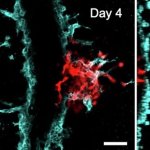
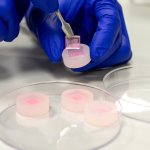
Using vascular organoids derived from stem cells, researchers gain new insights into how diabetes damages blood vessels. This could lead to to the development of new treatments.

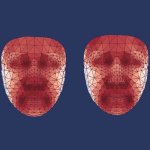
Measuring temperatures in different face regions could be used to earlier detect chronic illnesses, such as diabetes and hypertension. Researchers now show the potential of an AI-based approach.

A 12-week digital weight management programme has been shown to achieve clinically meaningful weight loss in patients with high BMI plus hypertension, diabetes or both.

Popular medications like Ozempic and Wegovy that are used to treat diabetes and obesity are associated with an increased risk of aspiration pneumonia following endoscopy, a new study finds.

New research could revolutionize noninvasive monitoring of blood glucose levels (BGLs): a Japanese team developed a novel methodology to estimate BGLs from near-infrared light (NIR) measurements.

This February, the Norwegian Institute of Public Health officially launched the ‘Joint Action on cancer and other non-communicable disease prevention project‘ (JA PreventNCD). In the four-year-initiative, 22 EU member states plus Iceland, Norway and Ukraine have joined forces to combat the increasing burden of non-communicable diseases (NCDs) across national borders.

Researchers have found a surprising method to reduce blood glucose levels in a person: Shining red light on their back. This could help control diabetes without medication.

Research reveals how a new mechanism could improve the efficiency of current treatments for diabetes. This may open up new ways of approaching metabolic diseases that are a global health problem.

Using AI and optoacoustic imaging, researchers have developed a new method to assess microvascular changes in the skin – and thus the severity of diabetes in the patient.

A nationwide programme to reduce the risk of developing diabetes in the United Kingdom is proven beyond reasonable doubt to work, a new study reveals.

Chronic wounds in diabetes patients are often slow to heal, which can lead to serious infections and even limb amputation. Now, researchers propose to address this with a magnetic wound-healing gel.

The earlier it starts, the more type 2 diabetes shaves off of a person's life expectancy. For people in their 30s, this can be as much as 14 years less, new research finds.

Engineers from MIT are developing a device containing insulin-producing cells and a tiny oxygen-producing factory to keep the cells of diabetes patients healthy.

A newly discovered mechanism involving exosomes can drive inflammation and impair healing of wounds in diabetes patients, according to a new study led by University of Pittsburgh and UPMC researchers.

A new AI model finds that x-ray images collected during routine medical care can provide warning signs for diabetes, even in patients who don’t meet the guidelines for elevated risk.

UK researchers find that digital health products, e.g. health apps, could make a substantial contribution to tackling NHS urgent care pressures, by keeping patients out of hospital in the first place.

More than half a billion people are living with diabetes worldwide, and that number is projected to more than double to 1.3 billion people in the next 30 years.

German researchers have now investigated whether there is a temporal association between infection with the Sars-CoV-2 virus and the development of type 1 diabetes.

The risk for poor glycemic control in patients with type 2 diabetes can be predicted with confidence by using machine learning methods, a new study from Finland finds.

Scientists have discovered a way to train healthy immune cells to acquire the skills of some tumor cells for a good purpose: to accelerate diabetic wound healing.

A newly developed capsule that tunnels through mucus in the GI tract could be used to orally administer large protein drugs such as insulin.

A device using next-gen technology to automatically deliver insulin was found to be more effective at maintaining blood glucose levels than standard-of-care management for type 1 diabetes.

A new device for diagnosing bone fragility invented by the University Hospitals of Geneva (HUG) and the University of Geneva (UNIGE) has been approved for marketing in the European Economic Area and Switzerland. The device is based on a new approach to assessing bone quality via blood sampling.

Overweight increases the risk of an imbalance in sugar metabolism and even diabetes – but the opposite is also true: insulin production deficits contribute to overweight, a new study shows.