News • ‘E’ for Expertise
New AI-powered ultrasound device presented at SIRM 2024
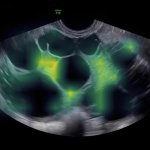
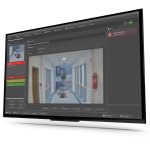
At the SIRM Congress 2024 in Milan, Esaote presents its brand-new MyLab E80, an E-series ultrasound device designed for professionals.

At the SIRM Congress 2024 in Milan, Esaote presents its brand-new MyLab E80, an E-series ultrasound device designed for professionals.

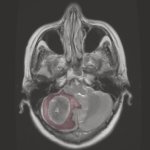
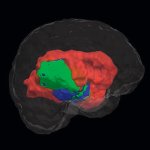
Using specific radiomics features from 70 characteristics in MRI images, researchers develop an objective method to predict the hearing status of patients with vestibular schwannoma.

Philips announced its latest AI-enabled cardiovascular ultrasound platform to help speed up cardiac ultrasound analysis with AI technology and reduce the burden on echocardiography labs.

A combination of facial thermal imaging and artificial intelligence (AI) can accurately predict the presence of coronary artery disease (CAD), new research finds.

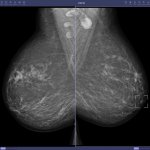
Using artificial intelligence (AI), breast radiologists in Denmark have improved breast cancer screening performance and reduced the rate of false-positive findings.

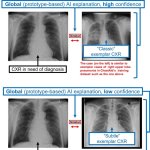
A new interdisciplinary research group explores issues of explainability and comprehensibility of AI in medicine – and who is responsible when something goes wrong.

Due to climate change, diseases such as West Nile fever reach European countries. With the help of AI and math, institutions can prepare for new infections in the changing climate, new research shows.

Autonomous robotic ultrasound systems could perform routine examinations and support doctors in the OR. New research shows that these systems can make everyday life easier for medical professionals.

Chatbots like ChatGPT generally deliver servicable results when asked for healthcare advice. However, new research suggests that the LLM's accuracy drops when languages other than English are used.

Medical AI is advancing gastrointestinal endoscopy – but what happens when it contributes to a medical error? Legal experts are pioneering efforts to develop guidelines on medical AI liability.

Current AI systems for detecting breast cancer from mammography exams are more likely to produce false-positive results in black women and older patients, a new study finds.

As AI is playing an increasingly crucial role in the fields of pharmacy and medicine, Pharmaceutical Automation and Digitalisation Congress (AUTOMA+ 2024) welcomes the entire industry value chain to join the roundtable discussion on the innovative strategies that are navigating the future of pharma. The Congress takes place in Zurich, Switzerland, on 18-19 November 2024.

Endoscopy is pivotal in diagnosing and managing ulcerative colitis. Recent technology advances allow for early cancer detection, precise disease assessment and targeted biopsies, improving diagnosis and monitoring. The following article takes a look at the latest advancements.

Adding a new dimension to pathology: Researchers explore new, deep learning models that can use 3D pathology datasets to make clinical outcome predictions for curated prostate cancer specimens.

‘Computer, why did the doctor take that MRI scan of my leg? And what did it show?’: Popularized by OpenAI’s ChatGPT, generative artificial intelligence (AI) is already beginning to see practical applications in medical settings. The technology holds immense potential, with benefits for patients, clinicians, and even hospital administration, according to Shez Partovi, MD.

Researchers have developed a deep-learning model that predicts the transition from a normal cardiac rhythm to atrial fibrillation 30 minutes before onset, with an accuracy of around 80%.

Coronary artery disease causes more than 1.8 million heart attacks each year in Europe. In most cases, rehabilitation helps the patients to return to their everyday life. But what happens once the patients have left the rehab clinic?

A study highlights performance differences in computational pathology systems, depending on demographic profiles associated with histology images. The researchers also propose a way to fix this bias.

Generalist Medical Artificial Intelligence (GMAI) models pose a significant challenge to current regulatory frameworks. Experts discuss how regulation of these models could work in the future.

Experts at Newcastle University have discovered artificial intelligence can be used to analyse medical imaging from CT scans, which is aimed at predicting survival in patients with laryngeal cancer.

A team of Danish and Dutch researchers has combined an AI diagnostic tool with a mammographic texture model to improve the assessment of short- and long-term breast cancer risk. This new approach represents a significant step forward in refining the ability to predict the complexities of breast cancer risk.

Matching the right donor heart to the right recipient at the right time is a complex task. Now, experts point out how AI can provide unbiased decision-support for transplantation process.

Large language models like ChatGPT have become a go-to point for health information. However, a new study uncovers a vital weakness: The AI gets confused when faced with actual scientific evidence.

Osteosarcoma is the most prevalent malignant bone tumor. Now, researchers have developed a machine-learning model to predict the density of viable tumor cells after surgery and chemotherapy treatment.

Could a chatbot-like AI tool locate brain damage after a stroke? In a new study, large language model GPT-4 processed text from health histories and neurologic examinations to locate brain lesions.