
News • Rehabilitation medicine
TBI: study reveals lasting impairments
People who suffer from a traumatic brain injury (TBI) often have lasting difficulties returning to work and may need long-term, multidisciplinary care, a new study shows.



People who suffer from a traumatic brain injury (TBI) often have lasting difficulties returning to work and may need long-term, multidisciplinary care, a new study shows.
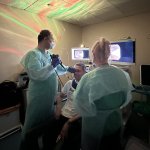
Less cancers missed, fewer complications: Mindfulness enables procedures to be done to a higher standard in awake patients than is currently possible under general anaesthesia or sedation.

A new study shows that analyzing bacteria from vaginal swab samples taken at delivery could help predict the risk of neonatal sepsis.

Can a Covid-19 vaccination reduce fertility? A new study from Linköping University finds no evidence to back up rumours naming vaccinations as a cause behind a decrease in childbirth.
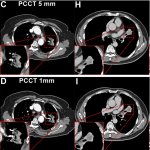
A study of 200 lung cancer patients shows photon-counting CT cuts radiation by 66% and contrast agent by 27% - while delivering sharper images and better tumor detection than conventional CT.

A new European study suggests that PFA may offer hospitals a way to treat atrial fibrillation more efficiently – with shorter procedures and lower costs than established methods.

Researchers report on decisive steps towards an early diagnosis of Parkinson’s disease: a newly discovered biomarker in the blood could open a window of opportunity for future treatment.

Most stroke rehabilitation programs are urban-based and focus on physical symptoms, leaving rural patients underserved and cognitive issues under-addressed. A new approach aims to tackle both gaps.

Severe headache, neck pain or confusion: More than 25% of pregnant women suffering non-specific stroke symptoms sought care but were misdiagnosed, University of Pittsburgh research finds.

A new study into the long-term health impacts of coronavirus has found changes in the blood after Covid-19 that might pinpoint patients at risk of ongoing lung disease.
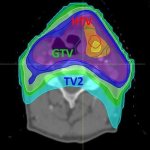
Beyond "one-size-fits-all": A new strategy that combines two types of PET scans can guide personalized radiotherapy for head and neck cancers, according to new research.

Integrating the patient’s voice: A new study shows access to patient-reported outcome (PRO) data improves the consistency of the evaluation of treatment-related side effects in patients with cancer.
Women who had a stroke caused by blocked blood vessels (ischemic stroke) are twice as likely to have another stroke during pregnancy and within six weeks of childbirth, according to a new study.
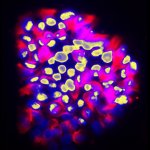
Why do some tumours spread while others remain localised? Using colon cancer cells, scientists pinpointed the criteria that influence metastasis risk, and identified a way to assess its probability.

Researchers have uncovered how a high-risk class of genetic vectors can efficiently spread antibiotic resistance within the gut, enabling even highly virulent bacteria to acquire drug resistance.
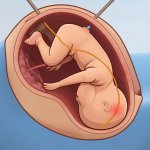
Northwestern University researchers have developed the first device that can continuously track a fetus’s vital signs while still in the uterus — a feat that previously has not been possible.
Non-specific symptoms such as fatigue, pain or weight loss can be caused by cancer, another serious condition or something completely harmless. A blood test can help provide relevant information.
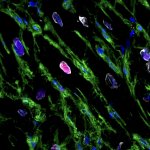
Pioneering research has shown that heart muscle cells regrow after a heart attack, opening up the possibility of new regenerative treatments for cardiovascular disease.

Why does Huntington’s disease begin at very different ages? Using advanced AI techniques, neuroscientists from the University of Barcelona found a way to better answer this question.

The causes for motor neuron diseases like ALS are largely unknown, but environmental factors have long been suspected of playing a part. A new study shows that air pollution can be one such factor.

Drawbacks of GLP-1 discontinuation: People tend to regain weight rapidly after stopping weight-loss drugs - and faster than after ending behavioural weight loss programmes - according to new research.
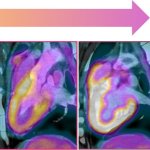
A widely used chemotherapy drugs used in cancer treatments can cause heart damage, new research shows. This could be used to adapt treatment regimens - especially in patients with high blood pressure.

☺️💊📞: Emojis are increasingly used in patient communication, a new study finds. This can help build trust and emphasize critical information, but may also lead to misunderstanding.

The immune system’s reaction to the common Epstein-Barr virus (EBV) can ultimately damage the brain and contribute to multiple sclerosis (MS), a new study shows.

Scientists have overturned a long-held belief in genetics: that inheriting two harmful variants in the same gene always worsens disease. Instead, this can actually restore normal protein function.