


News • Evidence-generated sockets
Data-driven designs to improve prosthetic legs
Researchers have developed a new, data-driven way of fitting prosthetic legs which could lead to better fitting prosthetics, in less time and at a lower cost.

Researchers have developed a new, data-driven way of fitting prosthetic legs which could lead to better fitting prosthetics, in less time and at a lower cost.

Researchers report they have built a new non-toxic and non-radioactive handheld device that uses the unique properties of diamonds to diagnose metastasized breast cancer.

Using ultrasound imaging, researchers measure the wall thickness of the aorta from within a patient's body, to predict with higher accuracy whether an aneurysm will rupture or not.

To help people with hearing loss, researchers develop an AI-powered lip-reading camera that translates lip movements into sound. The device could also work in areas with a lot of background noise.

The mere fact of being exposed to a sick avatar in a virtual reality environment triggers a measurable immune response in humans, a multidisciplinary research team discovered.

A novel approach to bioprinting may lead to new ways to treat skin burns and severe wounds. With this, the researchers aim to create new skin that does not become scar tissue but a functioning dermis.

Doctors wear white – but did you know that was not always the case? A new review explores the effect of attire color on patient trust, and persistent misidentification of female doctors.

Medical imaging methods are often affected by background noise, which can obscure fine anatomical details. A new approach to solve this problem draws inspiration from quantum mechanics.

Pharmaceutical counterfeiting remains a critical issue, with high risks for patients and great economical damage. Now, researchers propose using “chemical fingerprints” to identify illegal meds.

The vaginal microbiome is a largely overlooked area of medicine that could dramatically improve outcomes for common infections, infertility and even cancer for millions of women, a new review finds.

Spaceflight comes with unique health risks – which include surprisingly high rates of sinus and congestion problems, new research finds. This also has implications for future civilian space travel.

Microsatellite instability-high (MSI-H) tumors are associated with better clinical outcomes. A novel AI model for accurate MSI prediction could help battle gastric and colorectal cancers.

Some medications can only be taken as an injection, which is often painful, unpleasant and inconvenient for patients. A new transport system could make it possible to swap these injections for pills.

Tumor vesicles may serve as early indicators of cancer and help monitor the effectiveness of treatments. Now, researchers discovered a new way to detect these vesicles.

Microrobots formed in droplets could enable precision-targeted drug delivery, improving on IV drug delivery that sends only 0.7% of the drug to the target tissue, according to a recent study.

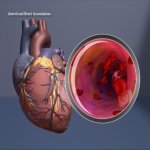
An association between specific electrical patterns and structural characteristics of heart scars after a heart attack could offer a new approach for more targeted and effective arrhythmia treatments.

After an infection with the coronavirus Sars-CoV-2, the virus is able to persist at low levels in the brainstem, new research finds. This helps explain some of the enduring neurological symptoms.

Common respiratory infections such as influenza and Covid-19 can awaken dormant breast cancer cells that have spread to the lungs, setting the stage for new metastatic tumors, new research finds.

How cancer cells survive the journey through the body to form metastases is still poorly understood. New insights into how cells survive intense physical stress could pave the way for new treatments.

Melanoma testing could one day be done at home with a skin patch and test strip with two lines, similar to Covid-19 home tests, according to University of Michigan researchers.

In a new joint research center, scientists from Germany and South Korea aim to develop new technologies at the interface of nanoscience, synthetic cell biology, and neuroscience.

Using electrodes implanted in the brain, researchers observed specific brain waves that could serve as a biomarker for obsessive-compulsive disorder (OCD) and are an important step towards more targeted treatments.

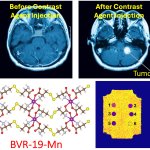
A new, bacteria-based contrast agent illuminates tumors like a neon sign during surgery, enabling more precise resection and reducing the risk of recurrence.

Through quantitative real-time monitoring of cell spatiotemporal dynamics, or cell changes over time, electrical impedance spectroscopy (EIS) could be used to predict cancer growth.

By identifying the unique biological signatures that guide AI tissue classification, new research lays the foundation for smart surgical tools with the added feature of biomolecular-level precision.