

News • Award-winning research publication
Evaluating brain tumours with AI
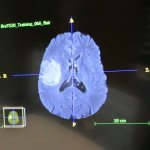
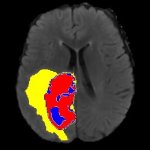
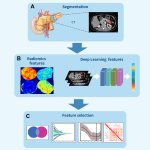
Can AI help better evaluate images of brain tumours? A publication from German researchers on this topic presented at this years' ICIS conference won the Best Paper Award.

Can AI help better evaluate images of brain tumours? A publication from German researchers on this topic presented at this years' ICIS conference won the Best Paper Award.

At the beginning of 2022, the Vienna General Hospital introduced DeepUnity, the next generation of PACS, which is used in clinics around the world today, taking the next step in image data management.

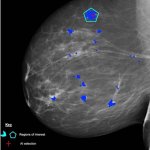
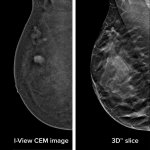
While having more centers adopt digital breast tomosynthesis (DBT) for breast cancer screenings into their practice is a positive change, it also presents some challenges for radiologists—particularly the increased number of images for radiologists to review. This challenge has paved the way for AI to offer innovative workflow solutions for radiologists that do not sacrifice accuracy.

Gender equity is a key factor in achieving excellence in academic medicine. So far, however, this is only partly reflected in reality: In Europe, women represent 54% of physicians and 40% of radiologists. However, female representation in radiology decreases at increasing levels of leadership. A panel of experts assessed the challenges women have to face in radiology and explored strategies to…

Royal Philips showcases the world’s first mobile MRI system with helium-free operations at RSNA 2023. BlueSeal MR Mobile is a lightweight 1.5T system with a fully sealed magnet.

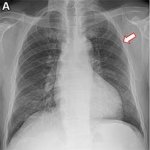
Incidence of lung cancer among people who never smoked is rising. A new AI tool opens the door for opportunistic screening for this group, using existing chest X-rays in the electronic medical record.

A multinational study confirms a strong and clear association between exposure to radiation from CT scans in young people and an increased risk of blood cancers.

Diagnosing early-stage lung cancer with low-dose CT screening dramatically improves the long-term survival rate of cancer patients, a large-scale, 20-year international study shows.

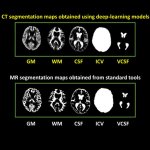
A new AI method for CT brain imaging may bring the modality to the level of detail usually reserved for MRI scans. This could enhance diagnostic support for conditions such as Alzheimer's disease.

A new artificial intelligence (AI) model combines imaging information with clinical patient data to improve diagnostic performance on chest X-rays, a new study finds.

Reports of AI gaining the upper hand in diagnostic imaging interpretation are piling up, but there are still areas where the eye of a trained human radiologist remains superior.

Radiologists called for action to reduce the release of contrast media in the hospital’s wastewater after contrast-enhanced examinations in a dedicated session at ECR 2023.

Mammographic screening is used to detect breast cancer, but is prone to false findings. Could an AI reader help improve this? UK researchers compared the performance of man and machine.

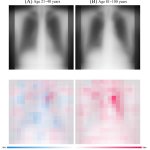
Osaka Metropolitan University scientists have developed an advanced AI model that utilizes chest radiographs to accurately estimate a patient’s "true" age.

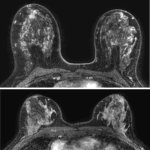
A machine learning model found that background parenchymal enhancement (BPE) on breast MRI is an indicator of breast cancer risk in women with extremely dense breasts.

Identifying victims of major disasters remains a significant challenge for investigators. Often, identification can take weeks or longer but new approaches are paving the way for greater accuracy and quicker identification whilst preserving the body without unnecessary invasive investigation. An expert session at ECR heard about how new imaging technology can help with disaster victim…

With the recent recommendation changes from the European Council in 2022, how radiologists screen for breast cancer is changing. Mammography has long been an essential technology in screening for breast cancer, and in the recommendations the Council formally recognized the advantages of digital breast tomosynthesis (DBT). This landmark acknowledges the research on and benefits of DBT, advocating…

Researchers at Monash University have designed a new co-training AI algorithm for medical imaging that can effectively mimic the process of seeking a second opinion.

AI can use data from low-dose CT scans of the lungs to improve risk prediction for death from lung cancer, cardiovascular disease and other causes, a new study finds.

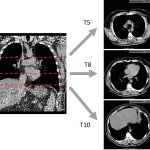
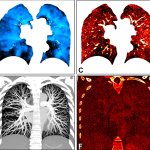
Photon-counting CT allows for a comprehensive, simultaneous evaluation of lung structure and function, something not possible with standard CT, according to a new study.

Should radiation dose from previous medical imaging be considered when a new scan is made? UK experts issued a joint position statement that favors clinical need over prior exposures.

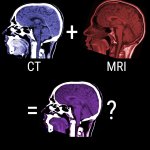
New research shows how AI can be used to fuse images from clinical X-ray CT and MRI scans to allow a clearer and more clinically useful interpretation of the images.

What will the future structure for artificial intelligence in health imaging across Europe look like? While the algorithms show great promise in collecting, storing, analysing, and using data to advance healthcare, delegates to a session on the topic at ECR 2023 in Vienna, also heard that it was important for the use of AI to move from research and more toward practical applications for patients.…

Assistance from an AI algorithm with high diagnostic accuracy improved radiologist performance in detecting lung cancers on chest X-rays and increased human acceptance of AI suggestions.

Photon-counting CT enables accurate diagnosis of coronary artery disease in high-risk patients, a potentially significant benefit for people previously ineligible for noninvasive screening.