


News • Environmental medicine
New study links pesticide exposure to cancer risk
A new scientific study reveals a strong link between exposure to agricultural pesticides in the environment and the risk of developing cancer on a national scale.

A new scientific study reveals a strong link between exposure to agricultural pesticides in the environment and the risk of developing cancer on a national scale.

Imaging left ventricular function is challenging for patients who cannot hold their breath for long. A new AI-enhanced MRI technique captures the entire cardiac cycle in a single shot.

People with multiple sclerosis (MS) now live significantly longer, thanks to advances in treatments and care, a new study finds. However, inequalities remain, with higher mortality in deprived areas.

The chances of breast cancer recurring remain very low when patients are treated with radiotherapy that is tailored to their individual risk following chemotherapy and surgery, new study results find.

Severe infections could increase the risk of developing dementia years later, independently of other coexisting illnesses, a new study from Finland suggests.

Neither radiologists nor multimodal large language models (LLMs) are able to easily distinguish AI-generated “deepfake” X-ray images from authentic ones, according to a new study.

Scientists have discovered the protective role of a bacterium that could prevent long Covid. Their discovery could lead to the development of new therapy approaches.

Two new studies explore the role of the thymus – a small organ in the chest, and possibly a missing piece in explaining why people age differently, and why cancer treatments fail in some patients.

Prostate cancer screening compares favourably to screening for breast cancer in identifying significant cancers, reducing mortality and avoiding unnecessary harms, says new research.

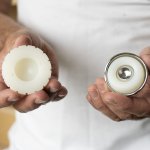
Stress urinary incontinence (SUI) affects millions worldwide. A novel implant could provide patients with ease of use and a better quality of life than current options.

A PSMA PET/CT imaging test could safely halve the number of people who need a biopsy for suspected prostate cancer following inconclusive or reassuring results from an MRI scan, new research finds.

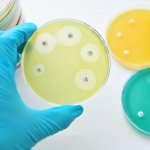
Antibiotics can affect the composition of the community of bacteria living in the gut, known as the gut microbiome, for as long as four to eight years after treatment, a new study shows.

GLP-1 weight-loss drugs may help prevent further tissue damage following a heart attack, significantly reducing the risk of further life-threatening complications, a new study finds.

Breast cancer screening could also be used to screen for cardiovascular disease, new research suggests: The risk of serious or fatal heart disease can be predicted with AI analysis of mammograms.

The concept of using radiotherapy for osteoarthritis may seem counterintuitive for many clinicians. Yet a well-designed randomised controlled trial presented at the 2025 ASTRO Annual Meeting in San Francisco suggests that low-dose radiotherapy deserves a closer look. The findings add robust evidence to a therapeutic approach that has long been underutilised outside of German-speaking countries.

Vaccination against human papillomavirus (HPV) reduces the risk of cervical cancer for at least 18 years, according to a new study. There were no signs of waning protection over time.

Combining stem cell therapy with standard fetal surgery before birth is a safe and promising approach to treat myelomeningocele, a severe form of spina bifida, a new study has shown.

Worsened delusions, mania, suicidal ideation, eating disorder: People with mental illness who use AI chatbots risk experiencing a worsening of their condition, a new study shows.

Although tumours may at first shrink under therapy, they often regrow or even become resistant. A new study suggests switching to a second treatment while the tumour is still responding to the first.

Study shows women with stage IV breast cancer detected through screening have a 60% chance of survival ten years after diagnosis – compared to under 20% for those not detected through screening.

New research shows that using ultra-low field (ULF) MRI for breast imaging could offer an alternative to existing breast cancer screening methods and may reduce barriers to screening.

Radiotherapy is more effective when administered at the right time of day, according to new research. This discovery opens the door to cancer “chronotherapy”, the researchers hope.

Researchers at Karlsruhe Institute of Technology (KIT) have developed an AI model to predict how well patients with hip osteoarthritis will be able to walk again after an operation.

People who suffer from a traumatic brain injury (TBI) often have lasting difficulties returning to work and may need long-term, multidisciplinary care, a new study shows.

Less cancers missed, fewer complications: Mindfulness enables procedures to be done to a higher standard in awake patients than is currently possible under general anaesthesia or sedation.