

News • Microbiome
Fatty acids fuel cancer-promoting gut bacteria
TU München researchers discover how chronic cellular stress changes gut microbiome composition, promoting cancer development through altered lipid metabolism.

TU München researchers discover how chronic cellular stress changes gut microbiome composition, promoting cancer development through altered lipid metabolism.

University of Stuttgart scientists develop enhanced CRISPR technique that makes genetic loss-of-function analyses more efficient and reproducible for medical research.

German researchers discover how HIV selects genome integration targets using RNA:DNA hybrids as guides, revealing new therapeutic approaches for controlling viral reservoirs.

A squishy new ‘artificial cartilage’ material could improve arthritis treatments by releasing anti-inflammatory drugs in response to a flare-up.

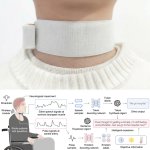
Use of an AI voice agent to prompt self-reported blood pressure readings may help improve accuracy of at-home blood pressure measures and patient outcomes in older patients with hypertension.

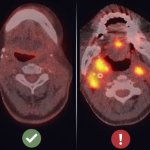
Researchers explored two promising new biomarkers as potential radiotheranostic targets for endometrial cancer. This could help identify patients who are likely to respond to targeted therapeutics.

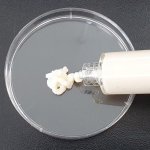
Historically, implants to repair bone fractures have been made of metal, donor bone, or 3D-printed material. Now, scientists propose an in-situ printing approach - using a modified glue gun.

Assisted reproductive technologies like IVF are held back by the fact that more than half of all embryos fail to implant into the uterus. Now, new research explores ways to improve these odds.

Even though many implants such as artificial joints and pacemakers are made of titanium, they occasionally break – but why? A researcher is investigating implant failure and how to prevent it.

A biodegradable, electroconductive self-healing hydrogel combined with acupuncture could help restore motor function and protect brain neurons in Parkinson’s disease models.

The European Society of Cardiology (ESC) has awarded Roxana Mehran, MD, from Mount Sinai, with its top honor, the “ESC Gold Medal”, during a special ceremony at the ESC Congress in Madrid.

One in three people do not want to know about serious illnesses—even if they might be affected themselves. A new review study explores the reasons for this deliberate ignorance.

Studies have found that natural polysaccharides from a medical fungus endemic to Taiwan can not only effectively inhibit inflammation, but also fight the proliferation of lung cancer cells.

Dysphagia can significantly reduce a person's quality of life. Now, research teams have developed a new 3D bioprinting method to create safe and appealing meals for dysphagia diets.

Tracer molecules serve to provide visual guidance in nuclear medicine, but a new molecule could give surgeons additional audio cues to help them locate prostate cancer tumors and metastases.

An artificial heart valve made from SEBS, a new type of highly durable and biocompatible plastic, could be a step closer to use in humans, following a successful long-term safety test in animals.

The mere fact of being exposed to a sick avatar in a virtual reality environment triggers a measurable immune response in humans, a multidisciplinary research team discovered.

Blood vessels become stiffer with age, but a new study suggests that a Covid infection could accelerate this process, increasing the risk of cardiovascular disease, including stroke and heart attack.

Breastfeeding women often choose not to take their medications because they worry about their baby; or stop breastfeeding because of their medicines. However, new research suggests that this is often unnecessary.

A novel approach to bioprinting may lead to new ways to treat skin burns and severe wounds. With this, the researchers aim to create new skin that does not become scar tissue but a functioning dermis.

The vaginal microbiome is a largely overlooked area of medicine that could dramatically improve outcomes for common infections, infertility and even cancer for millions of women, a new review finds.

Spaceflight comes with unique health risks – which include surprisingly high rates of sinus and congestion problems, new research finds. This also has implications for future civilian space travel.

Microsatellite instability-high (MSI-H) tumors are associated with better clinical outcomes. A novel AI model for accurate MSI prediction could help battle gastric and colorectal cancers.

A treatment commonly used for obstructive sleep apnoea (OSA), lowers the risk of serious cardiovascular events in some patients but not others, according to new research.

Some medications can only be taken as an injection, which is often painful, unpleasant and inconvenient for patients. A new transport system could make it possible to swap these injections for pills.