

News • PFAS and Kidney Health
New research reveals connection between PFAS, kidney function and gut health
New research has revealed that the connection between PFAS, and kidney damage may be tied to dysregulation of the gut microbiome.

New research has revealed that the connection between PFAS, and kidney damage may be tied to dysregulation of the gut microbiome.

A European research team has now shown that dietary measures are more effective in IBS patients with defects in carbohydrate digestion genes than in those without these changes.

How do the three large protein complexes – the ribosome, the SKI complex and the exosome – interact? A team of scientists led by Elena Conti reveals this question in their current study.

A study led by Assistant Professor Masamitsu Sone and Professor Yoshifumi Yamaguchi from Hokkaido University, Japan, has uncovered a crucial gene that enables hibernating Syrian hamsters (Mesocricetus auratus) to prevent cold-induced cell death. The research was published in the journal Cell Death and Disease.

The gut microbiome varies from person to person in terms of the bacterial species represented and their colonization density. Segatella copri is the most prominent germ. Researchers at the Helmholtz Centre for Infection Research goal to clarify its health significance.

Miniature robots often lack the strength to transport instruments for endoscopic microsurgery. But what if they worked together? Scientists have pursued this idea to perform a surgical procedure.

Using smartly trained neural networks, researchers at TU Graz have succeeded in generating precise real-time images of the beating heart from just a few MRI measurement data.

Many aspects of long Covid are still poorly understood, so many sufferers have turned to self-monitoring via wearables. New research explores the benefits and drawbacks of this approach.

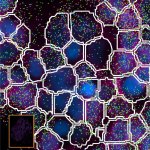
By combining mass spectrometry and mass cytometry imaging techniques, researchers can now dive deeper into tumors and map the metabolism of individual cells in tumor tissue.

Scientists at the University of Geneva (UNIGE) and the Geneva University Hospitals (HUG) have developed CAR-T cells capable of targeting malignant gliomas while preserving healthy tissue.

“Evidence is mounting that pollutants in soil as well as in water may damage cardiovascular health,” find the authors of a new publication, which advocates the need for more sustainability.

Researchers have succeeded in identifying patterns of response to treatment in patients with multiple myeloma using AI tools, which helps to accurately predict the evolution of the tumor.

A newfound molecule, called ACBI3, could potentially lead to new therapies against hard-to-treat cancers, improving outcomes for all patients with cancers caused by KRAS mutations.

Before administering certain drugs, doctors check a patient’s kidney function by testing their blood urea nitrogen and creatinine levels. New research shows that gold nanoparticles might give more accurate results.

A new study reveals that cardiometabolic risk factors and subclinical atherosclerosis impair the function of the microvessels that irrigate the heart, potentially increasing atherosclerosis risk.

A new study confirms fibrosis as a prognostic indicator in HER2-negative, the most common breast cancer, and opens the way to antifibrotic drug treatments.

STAb-T, a new form of immunotherapy to treat solid tumours shows therapeutic potential in animal models with non-small cell lung cancer. The new strategy is designed to strengthen the defensive cells.

Researchers identified the genetic background of the previously known but mysterious AnWj blood group antigen. The findings allow identification and treatment of patients lacking this blood group.

Researchers have identified biomarkers that, in conjunction with PET imaging, enable doctors to reliably distinguish between primary 4-repeat tauopathies and Alzheimer's disease.

The Nutri-Score is designed to provide consumers with information on nutritional quality. New research reveals that the ratings also correspond with the cardiovascular health impact of the products.

Only 20-40% of patients respond positively to immunotherapy, and these rates vary across different types of cancer. Researchers now identified five key factors that determine response and survival.

The microbiome – bacteria in the GI tract – is essential for digesting food and training the immune system. New studies explore how repeated antibiotic use can upset this delicate system.

A new type of magnetically controlled prosthetic hand allows amputees to reproduce all movements simply by thinking and to control the force applied when grasping fragile objects.

Currently, it is difficult to predict whether a cancer patient will respond to immunotherapy or not. A new method to quantify the heterogeneity of the tumour microenvironment aims to improve this.

Researchers have identified fibrotic scarring as a key source of resurgence of glioblastoma multiforme (GBM). The new insights could lead to better prevention of this type of brain cancer.