

News • Safe practice
New guidance to prevent injection errors in anaesthesia
To reduce avoidable errors, especially involving injectable medications in anaesthesia care, UK experts have published a new guidance on safe injection practice.

To reduce avoidable errors, especially involving injectable medications in anaesthesia care, UK experts have published a new guidance on safe injection practice.

In a new editorial paper, researchers from the Army Hospital Hamburg discuss treatment strategies for common, but highly malignant types of head and neck tumors.

A family physician at Tufts University School of Medicine offers advice for how to treat allergies and how to tell if symptoms are due to allergies, the common cold, the flu, or Covid-19.

Treatment times for radiotherapy could be reduced for some early breast cancer patients, according to a trial led by University of Cambridge and The Institute of Cancer Research, London.

The combination of curettage and cryosurgery is safe and effective for treating the most common form of skin cancer, basal cell carcinoma, a study from the University of Gothenburg shows.

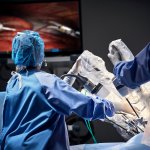
Surgical robots are becoming widespread in operating theatres, delivering accuracy and safety. An overview of the main systems, principal operators, the market and European initiatives in this field.

More than half a billion people are living with diabetes worldwide, and that number is projected to more than double to 1.3 billion people in the next 30 years.

Results from a large European study reinforce the use of Extracorporeal photopheresis (ECP) in heart transplant patients as a treatment for heart transplant rejection and prevention of rejection.

A new study from Munich reveals: Whether patients are able to correctly assess risks depends partly on how physicians convey statistical information to them.

French scientists discovered that CD4 T cells generated during immunotherapy are capable of remotely neutralizing tumor cells by producing interferon gamma (IFN-γ).

Surgeons will need to tackle three major challenges with the most potential to reduce major causes of death and improve access to surgical care, according to an international group of experts.

Defibrillators are being used in just one in ten cardiac arrests where the lifesaving devices are available, according to new research presented at a British cardiology conference in Manchester.

Unanswered questions are hampering clinicians in their efforts to get the best out of a precision medicine approach for their patients. Speaking at the Genomics and Precision Medicine Expo in London at the end of May, cancer educator Dr Elaine Vickers said the benefits of being matched to an investigational drug remain questionable for most people with advanced cancer.

About 5% of all women develop pre-eclampsia during pregnancy, which in severe cases can become life-threatening for mother and child. Using commercially available troponin tests, high-risk patients could be identified much earlier and more accurately than before.

Performing cataract surgery in both eyes on the same day instead of with a two-week interval is equally safe but more cost-effective and patient-friendly, a new large-scale study shows.

Patients with early-stage breast cancer who have an elevated risk of having tumour recurrence now have the option to take a course of radiotherapy following breast conservation surgery that is only three weeks long, half the time of conventional radiotherapy treatment.

With resuscitation cardiac arrest, every minute matters – and permanent damage comes quicker than most people think, say Swiss researchers and make the case for improved information.

Stereotactic body radiotherapy (SBRT) is increasingly used in early-stage lung cancer. However, experts caution that ditching surgical options in favour of "SBRT-only" has serious drawbacks.

At the ESGE Days 2023 in Dublin, Pentax Medical has launched its newest products: the Inspira premium video processor, and the i20c video endoscope series.

New research has identified a potential therapeutic target and developed a unique delivery system to treat osteosarcoma, a bone cancer that primarily affects children and adolescents.

Should patients over the age of 70 with head and neck cancer receive aggressive combined radiotherapy and chemotherapy? This is a controversial issue among patients, their families and health professionals.

A new class of immunotherapy shows promising results for fighting the most aggressive form of skin cancer.

Using an organ from a donor who underwent cardiac death, Stanford Medicine surgeons transplanted a heart while it was beating - the first time such a procedure has been achieved.

Autism spectrum disorder (ASD) is a developmental disorder associated with difficulties in interacting with others, repetitive behaviors, restricted interests and other symptoms that can impact academic or professional performance.

Genes are full of clues about a person's health and might also show the way for stroke recovery.