





News • Clinically validated framework
AI helps detect kidney cancer faster
A novel machine-learning-based solution analyses CT images and helps radiologists detect both malignant and benign lesions in the kidney more quickly and reliably.

A novel machine-learning-based solution analyses CT images and helps radiologists detect both malignant and benign lesions in the kidney more quickly and reliably.

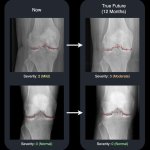
An AI system that can predict what a patient’s knee X-ray will look like a year in the future could transform how millions of people with osteoarthritis understand and manage their condition.

Using AI to help detect one of the leading killers of women worldwide: A new machine learning model can successfully predict heart disease risk in women by analysing mammograms.

Researchers have developed a machine learning algorithm that uses cardiac MRI images to help identify breast cancer patients who may be at risk of cardiotoxicity during cancer treatment. The research, led by cardiologist Dr Paaladinesh Thavendiranathan, was presented at the European Society of Cardiology's Cardio-Oncology Conference in Florence in June.

By identifying the unique biological signatures that guide AI tissue classification, new research lays the foundation for smart surgical tools with the added feature of biomolecular-level precision.

A new AI-based tool measures cancer aggressiveness by analyzing the ‘stemness’ of tumors – their similarity to pluripotent stem cells. This could pave the way for new therapies.

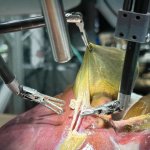
A potentially transformative advancement in surgical robotics: A robot trained on videos of surgeries successfully performed a lengthy phase of a gallbladder removal without human help.

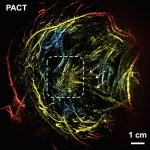
A new technique called photoacoustic computed tomography (PACT) offers a breast imaging alternative without the discomfort, high costs, or risk associated with the conventional evaluation methods.

A major challenge in cancer genomics is separating meaningful mutations from false positives. A new tool uses machine learning to significantly reduce these errors.

Movement disorders often show overlapping symptoms, making it difficult for doctors to make the correct diagnosis. A new AI tool could help distinguish between different disorders, such as tremor and myoclonus.

Using AI and extensive analyses of gene activity in tumours, researchers have found new, precise biomarkers to diagnose prostate cancer at an early stage through a simple urine sample.

The location and timing of breast cancer recurrence may allow AI to predict the risk of metastasis, a new study shows. This is an essential step towards developing personalised treatment strategies.

Machine learning models fail to detect key health deteriorations in the ICU: a new study reveals that 66% of critical injuries in hospitals would go unnoticed if the current AI models were put to use.

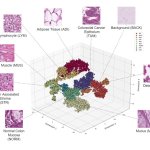
Researchers developed an advanced AI tool for automatic analysis of colorectal cancer tissue slides. The new model outperformed all predecessors in the classification of tissue microscopy samples.

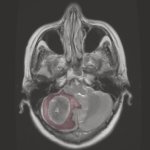
Researchers have developed an artificial intelligence (AI) model to detect the spread of metastatic brain cancer using MRI scans, offering insights into patients’ cancer without aggressive surgery.

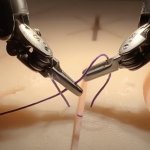
Imitation learning could open a new frontier in medical robotics: Researchers 'taught' a robot to mimic a surgical procedure by watching the surgeons' performance.

UK scientists are harnessing the power of AI to assess the antimicrobial resistance of patients in intensive care units (ICUs) and identify sepsis-causing bloodstream infections.

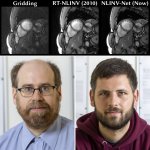
Using smartly trained neural networks, researchers at TU Graz have succeeded in generating precise real-time images of the beating heart from just a few MRI measurement data.

In a recent study, researchers proposed a novel technique to help make stained histopathological image datasets more useful for many emerging machine-learning-based classification systems.