

News • Drug discovery
New FDSS-GX: Hamamatsu presents high-performance kinetic plate imager
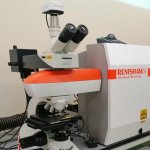
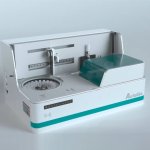
Hamamatsu Photonics announces the release of a new high-speed kinetic plate imager, the FDSS-GX, designed for kinetic cell-based assay development.

Hamamatsu Photonics announces the release of a new high-speed kinetic plate imager, the FDSS-GX, designed for kinetic cell-based assay development.

French scientists are developing and testing a new vaccine to combat allergic asthma. Their latest study results pave the way for the organization of a clinical trial.

Worldwide, about one million people are suffering from hepatocellular carcinoma (HCC). In Germany alone, there are 9,000 new patients each year, most of them men between 50 and 60 years. When liver cancer is detected early, the prognosis is excellent, says Professor Dr. Ali Canbay, Director of the Medical Clinic at the University Hospital/Knappschaftskrankenhaus Bochum. While, unfortunately,…

A second-generation lab test for early detection of cervical cancer is the most recent addition to Oncgnostics’ portfolio. In particular, the company’s solution will help women in countries with limited cancer screening. Moreover, new research on the early detection of vulval and vaginal cancer might soon enable the development of tests for these cancers.

A new mathematical model developed by Hokkaido University engineers uses wastewater samples to effectively forecast the number of clinical Covid-19 cases in a community five days in advance.

Researchers in Frankfurt have now been able to show how ferroptosis can be used to make immunotherapies against liver cancer more effective in mice.

A model organism used in laboratories for the past 100 years has evolved so extensively that it may no longer be fit for purpose, according to a new study on bacterial strain Escherichia coli K-12.

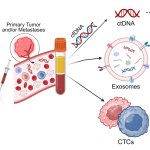
Researchers have developed a new blood test to detect prostate cancer which displays greater accuracy than the current prostate-specific antigen (PSA) method.

Researchers have developed a Raman microscope that can acquire information hundreds of times faster than the conventional method. This could help expand its usefulness in biomedical applications.

Researchers at the University of East Anglia are launching a project to make laboratories more accessible for people with disabilities.

Carriers of a specific bacteria have a 14% chance of developing an antibiotic resistant infection with 30 days of hospitalisation, according to new research from Amsterdam.

Canadian researchers are developing a new, ultra-sensitive biosensor to screen for Alzheimer’s disease and other diseases. The device has successfully completed the proof-of-concept stage.

The Netherlands Cancer Institute (NKI) will deploy a diagnostic platform from digital and computational pathology solutions provider Proscia, the company announced.

A new blood test that can track and follow the neurodegeneration in Alzheimer's disease - and exclude other dementias.

Dutch scientists have discovered how specialized immune cells can detect and remove cancers that are ‘invisible’ to the conventional defense mechanisms of the immune system.

Some hospitalized patients’ infections may develop from their own bacteria, new research results suggest. The study in mice indicates that medical interventions can awaken dormant, hidden bacteria.

Transforming a regional digital pathology network into a national programme across the UK has the potential to save the NHS around £100m a year. Such a network – one that sees a centralised digital pathology image library and archive, as opposed to individual hospitals having their own infrastructure and teams to manage it – can also offer a range of other benefits alongside significant cost…

Findings of bacteria with anti-inflammatory effects in the intestines of MS patients with no evidence of active disease indicate that diet, bacteria and disease progression are linked.

Swedish researchers have developed a method that should be able to predict whether a patient with breast cancer will benefit from a particular treatment or not.

A newly developed rapid test needs only a few seconds to reliably detect pathogens such as SARS-CoV-2. It is based on specially designed magnetic nanoparticles.

Identification of elderly persons at risk of developing cognitive impairment and dementia could be made possible by examining ergothioneine levels in the blood, researchers from Singapore find.

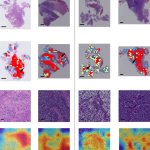
New research shows the power of artificial intelligence (AI) applied to endometrial carcinoma microscopy images. This could improve diagnosis and treatment of uterine cancer.

In a recent study, a US research team developed a revolutionary laser-based approach to perform microbiopsies. Their novel method could make biopsies faster, more cost-effective, and less harmful to the patient.

A new study demonstrates that AI models, using symptom and demographic features, can help predict Covid-19 infections, providing a way for rapid screening and cost-effective infection detection.

An international research team has provided valuable new information about what drives the global spread of genes responsible for antimicrobial resistance (AMR) in bacteria.