News • Predictive phenotypes
Ovarian cancer: new insights into immune landscapes
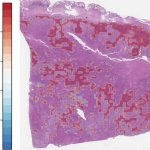
Defining four different immunologic subtypes of recurrent ovarian cancers, researchers pave the way for more personalized treatment.

Defining four different immunologic subtypes of recurrent ovarian cancers, researchers pave the way for more personalized treatment.

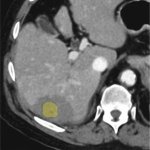
By analyzing CT images with 3D software, researchers demonstrated that small liver tumors can be successfully treated using ablation. This could enable more confident use of ablation treatments.

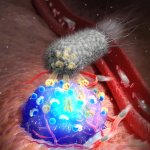
A new, bacteria-based contrast agent illuminates tumors like a neon sign during surgery, enabling more precise resection and reducing the risk of recurrence.

A new AI-based tool measures cancer aggressiveness by analyzing the ‘stemness’ of tumors – their similarity to pluripotent stem cells. This could pave the way for new therapies.

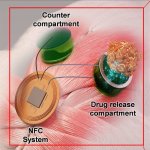
Korean researchers have developed a wireless implantable drug delivery system that enable chemotherapy drugs to penetrate deep into solid tumors—without harming surrounding healthy tissue.

More consistent TIL assessments, more accurate patients' prognoses: New research shows how AI sharpens pathologists' interpretation of tissue samples for malignant melanoma.

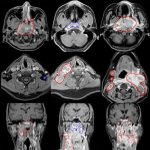
Molecular profiling of over 1,000 nasopharyngeal cancer (NPC) tumours reveals distinct differences in tumour microenvironment of locoregionally advanced NPC, supporting personalised treatment.

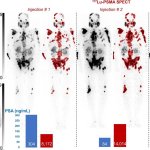
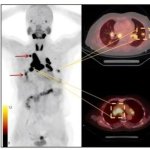
New research makes a strong case for a new dual-targeting radiopharmaceutical, designed to attach to two vulnerable sites on cancer cells, enabling more precise and potent therapy.

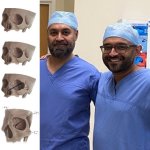
Using a keyhole surgery approach, surgeons have found a new way to access previously difficult-to-reach brain regions with faster recovery times. With the help of 3D modelling technology, the neurosurgeons succeeded in removing complex tumours from the cavernous sinus through the eye socket, avoiding complex brain surgery and enabling their patients to make a quicker recovery.

Results of a new retrospective study demonstrate the potential of a novel, CT-based deep learning-driven tool to enhance liver cancer diagnosis, treatment planning, and response evaluation.

Unprecedented insights into the inner workings of an early-stage lung tumor: An international research team describes a new method for 3D mapping cellular interactions in the tumor microenvironment.

Pancreatic cancer is one of the most aggressive cancers, partly due to its tumor microenvironment, known as the stroma. Now, a study has identified a new key factor contributing to this feature.

Researchers discovered a key mechanism by which melanomas and other aggressive tumours prevent the immune system from detecting and attacking them – one of the greatest challenges in oncology today.

New research reveals that self-generated electrical activity of small cell lung cancer (SCLC) directly promotes tumor metastasis and progression. This may provide new avenues for future treatments.

For patients, a liquid biopsy which checks for circulating tumour DNA of colon cancer, resembles a standard blood test. However, the method helps avoid chemotherapy for many, a new study finds.

Using a prototype field cycling imager (FCI) scanner to examine breast cancer tissue, scientists distinguish tumour material from healthy tissue with more accuracy than current MRI methods.

New research uncovers the hidden diversity of adrenal gland tumors, shedding light on how they cause unusual medical symptoms and paving the way for new drug treatments.

A new AI-enhanced technique makes breast cancer tissue “glow” on MRI scans. This not only improves breast cancer detection but also can help treat it more effectively, the researchers say.

New research highlights the potential of circulating tumor DNA (ctDNA) analysis as a non-invasive method to identify actionable biomarkers for breast cancer, enabling individualized therapies.

When multiple myeloma cancer cells break out and multiply outside the bone marrow, a wide variety of tumor cells arise, accompanied by a significantly altered immune response, new research shows.

Researchers have developed a new kind of tumour-on-a-chip, which gives insight into the tumour environment and immunotherapy response. The device has been successfully tested on breast cancer samples.

Persister cells arise as a result of cancer treatment and are often responsible for tumour relapse. Researchers identified a distinctive feature of persister cells, paving the way for new treatments.

“What is a tumour?” Researchers explore tumour architecture as a valuable source of information to understand tumour dynamics and predict its sensitivity to anticancer drugs.

A new deep learning model shows promise in detecting and segmenting lung tumors. The findings of the study could have important implications for lung cancer treatment.

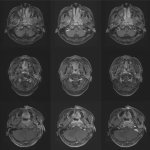
Researchers have developed an artificial intelligence (AI) model to detect the spread of metastatic brain cancer using MRI scans, offering insights into patients’ cancer without aggressive surgery.