

News • ICU assessment
AI to predict critical care for patients with Covid-19
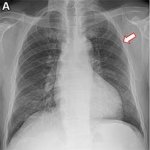
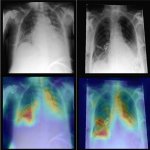
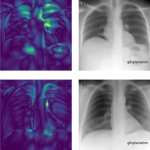
Researchers from the University of Chicago developed a deep-learning model to assess chest X-ray radiographs for probable Covid-19 severity.

Researchers from the University of Chicago developed a deep-learning model to assess chest X-ray radiographs for probable Covid-19 severity.

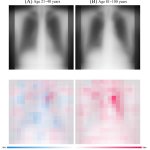
A new AI model finds that x-ray images collected during routine medical care can provide warning signs for diabetes, even in patients who don’t meet the guidelines for elevated risk.

Should radiation dose from previous medical imaging be considered when a new scan is made? UK experts issued a joint position statement that favors clinical need over prior exposures.

Dunlee unveiled its new oncology bundles onsite at ECR. The bundles combine components that have been tested and verified to work together so clinicians can offer state-of-the-art onboard Cone Beam CT (CBCT) in facilities.

At ECR in Vienna, Carestream presented the latest additions to their product portfolio, and gave insights into their commitment to tackling a devastating lung disease.

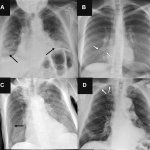
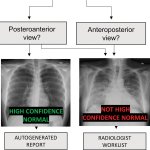
An artificial intelligence tool can accurately identify normal and abnormal chest X-rays in a clinical setting, according to a new study. The tool identified abnormal X-rays with a 99.1% sensitivity.

Carestream Health is funding and participating in an innovative pilot with OSIC that could lead to radiographs providing an early window into manifestations of IPF that are currently undetected.

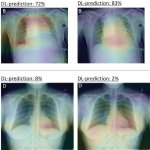
Artificial intelligence (AI) may help improve care for patients who show up at the hospital with acute chest pain, according to a new study published in Radiology.

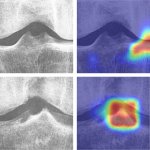
Researchers from the University of Jyväskylä and the Central Finland Health Care District have developed an AI based neural network to detect an early knee osteoarthritis from x-ray images.

At the annual RSNA meeting in Chicago, Carestream launched a new series of digital X-ray detectors to help improve clinical outcomes, as well as enhancements to its existing product portfolio.

A new X-ray technology has been used to identify a link between the damage that severe Covid-19 can inflict on lungs and pulmonary fibrosis, a disease that causes severe scarring of lung tissue.

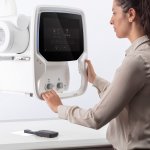
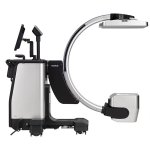
At the European Congress of Radiology (ECR) in Vienna, Fujifilm Europe showcased a new flexible, hybrid C-arm and portable x-ray machine, called FDR Cross.

Fujifilm partners with Gleamer to integrate an AI software called BoneView into its X-ray imaging systems to assist radiologists and emergency clinicians in the diagnosis of skeletal fractures.

Dark-field radiography uses a part of X-rays that has hardly been considered so far to expand the spectrum of diagnostic imaging. At the ECR Overture, Theresa Urban presented the new method.

Fujifilm aims to become an entity that can contribute to the advancement of human health by supporting the ongoing transformation in the healthcare industry – as a “One-Stop” solution partner.

Canon Medical Systems Corporation has entered into an agreement to acquire Nordisk Røntgen Teknik, with the acquisition being completed following the necessary approval procedures.

A newly discovered structure of chain-mail may explain the success of C.difficile at defending itself against antibiotics and immune system molecules.

Precision, speed and simplicity of use. Safety for patient and X-ray technician. Reduced total cost of ownership. These are the benefits of the first Multi-Scan Body CBCT developed by NewTom.

In radiology, it is important to place patients safely and precisely. This works with the "GetUp®" holding system from Febromed.

A new study has found that AI can help physicians in interpreting x-rays after an injury and suspected fracture. This has the potential to improve diagnostic performance and efficiency.

Scientists have used tin mono-sulfide (SnS) nanosheets to create the thinnest X-ray detector ever made, potentially enabling real-time imaging of cellular biology.

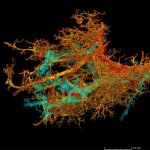
The damage caused by Covid-19 to the lungs’ smallest blood vessels has been intricately captured using high-energy X-rays emitted by a special type of particle accelerator. Scientists used a new imaging technology called Hierarchical Phase-Contrast Tomography (HiP-CT), to scan donated human organs, including lungs from a Covid-19 donor.

A team of scientists at Argonne National Laboratory has leveraged artificial intelligence to train computers to keep up with the massive amounts of X-ray data taken at the Advanced Photon Source.

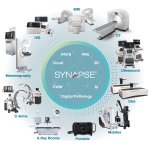
At a virtual European event, Fujifilm Healthcare Europe presented a complete and integrated portfolio of diagnostic products and services, including CT, MRI, X-ray, AI, PACS, endoscopy and ultrasound systems. This launch follows the completion of Fujifilm's acquisition and takeover of Hitachi's Diagnostic Imaging-related business on 31 March 2021 for 179 billion yen (€1.3 billion).

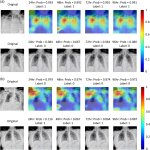
University of Washington researchers have discovered that AI models—like humans—have a tendency to look for shortcuts. In the case of AI-assisted disease detection, these shortcuts could lead to diagnostic errors if deployed in clinical settings.