News • Research
Stuttgart researchers enhance CRISPR for cellular analysis
University of Stuttgart scientists develop enhanced CRISPR technique that makes genetic loss-of-function analyses more efficient and reproducible for medical research.



University of Stuttgart scientists develop enhanced CRISPR technique that makes genetic loss-of-function analyses more efficient and reproducible for medical research.

The number of patients with substance abuse disorders who are admitted to hospitals as inpatients has been steadily increasing. Hospitalists attending SHM Converge 2025, the annual meeting of the Society of Hospital Medicine (SHM) in Las Vegas this spring, were given practical advice on how to treat these patients.

German researchers discover how HIV selects genome integration targets using RNA:DNA hybrids as guides, revealing new therapeutic approaches for controlling viral reservoirs.

People with both type 2 diabetes and obstructive sleep apnoea have a higher risk of death, but treatment with CPAP may reduce that risk by around 26%, a new study finds.
In metastatic EGFR-mutated non-small cell lung cancer (NSCLC), targeting residual disease through surgery can extend the benefits of EGFR TKI therapy beyond standard monotherapy, a new study finds.
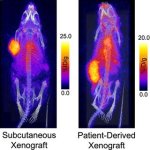
Researchers explored two promising new biomarkers as potential radiotheranostic targets for endometrial cancer. This could help identify patients who are likely to respond to targeted therapeutics.

Currently, cancer treatment evaluation focuses heavily on survival outcomes, but doesn't adequately consider how treatments affect quality of life. A new policy review aims to change this.

From active monitoring to combinations of local and systemic treatment: A new study shows that most men with prostate cancer who receive treatment recommended by guidelines have a good prognosis.
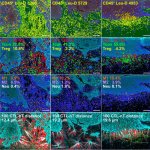
Tongue squamous cell carcinoma, the most common type of oral cancer, is a challenging target for immunotherapies. Researchers now identified five immunotypes to better predict treatment response.
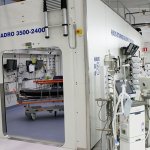
Radiation therapy is an effective component of many cancer treatments, but some patients experience severe side effects. A new study shows that hyperbaric oxygen therapy can provide long-term relief.

Arginine vasopressin deficiency (AVP-D) is a rare condition affecting the body's water management. However, it is also known under a different name – this can lead to fatal mix-ups.
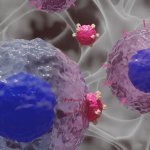
Researchers developed biomimetic materials inspired by lymph nodes, which could improve cancer immunotherapy. The study highlights the potential of bioengineered scaffolds for cell-based therapies.
World TB Day raises awareness about tuberculosis and commemorates the discovery of the source bacterium M. tuberculosis. More than a century later, scientists still refine anti-TB strategies.
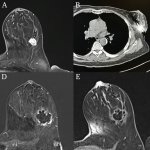
Cryoablation, the destruction of malignant cancer cells by freezing them, is increasingly becoming an alternative to having conventional lumpectomy for patients diagnosed with early-stage, localised, low-risk breast cancer. Findings from numerous recent clinical trials show that cancer recurrence rates are very low and are comparable to breast conservation surgery (BCS).
The boom in interventional radiology procedures has enabled great strides in ischemic stroke management. But while a myriad of techniques are available, the challenge remains in choosing the most appropriate thrombectomy treatment on the spot, according to Jordi Blasco Andaluz, a neuroradiologist at Hospital Clinic Barcelona. The new ROSSETTI registry is designed to change this.
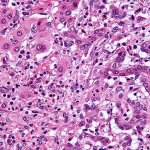
Research on biliary tract cancer is advancing rapidly, ranging from targeted treatments to new drugs. However, the delivery of these advances to patients is lagging behind, new European studies find.
Researchers have developed a new kind of tumour-on-a-chip, which gives insight into the tumour environment and immunotherapy response. The device has been successfully tested on breast cancer samples.
While thrombectomy to remove blood clots after a stroke is increasingly performed, new research suggests that it may not be needed in all cases.
Steam eliminates wrinkles and germs, but can it destroy cancer cells too? A multisite clinical trial explores the potential of a water vapor system using steam to kill prostate cancer cells.

Researchers have developed an AI-based model to better predict whether cancer patients will benefit from immunotherapy — using only routine blood tests and clinical data.
Paediatric brain tumours are difficult to diagnose and treat – especially, when delays occur. A new study explored the impact of the Covid-19 pandemic on children with brain tumours.
Researchers now succeeded in making leukemia-specific immune cells less sensitive to the influence of tumor cells, thereby significantly increasing their effectiveness.
The current rise in antibiotic resistance is once again sparking interest in phage therapy. Now, scientists developed a new tool that recommends the best possible phage cocktail for a given patient.
A new approach to fight glioblastoma: Swiss researchers have now developed an immunotherapy that not only attacks the brain tumor—it also turns its microenvironment against it.
PET/CT image analysis using artificial intelligence (AI) can predict the occurrence of interstitial lung disease, a serious side effect of immunotherapy in lung cancer, a new study shows.