


Laboratory

Photo

Sponsored • Infection management

New sepsis marker speeds up detection and therapy

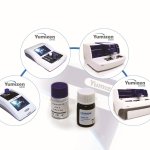
Sepsis is the cause of one in five deaths worldwide, killing nearly 11 million people each year, many of them children. It is also a major cause of disability, affecting millions more. To combat the condition, many hospitals have implemented sepsis performance improvement programmes. A meta-analysis of 50 observational studies showed that these programmes are associated with better compliance…

Photo

Article • Mini-microscopes

Are disposable robots conquering the labs of the future?

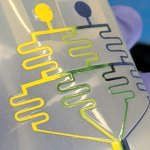
The team at the Institute of Medical Device Technology at the University of Stuttgart, Germany, is developing methods to produce top-quality medical devices at affordable prices. Professor Dr Peter Pott, the director of the institute, turns to 3D printers to successfully realize his vision of “high end at low cost”.

Photo

Article • Diabetes

Microneedles: Nano-sized, huge impact

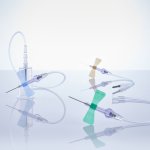
Drug delivery, blood extraction, contrast agent injection – many procedures in modern medicine would be utterly impossible without needles. Despite the benefits, inserting pointy metal tubes into a patient also comes with several drawbacks. By downscaling the to micrometer-size, Japanese researchers open even more areas of application for needles, while bypassing some of the most important…

Photo

Article • Exploring the potential of IMS

Ion mobility spectrometry: Rapid results from breath analysis

Ion-mobility spectrometry (IMS) offers opportunities for rapid diagnosis and clinical decision-making due to breath analysis. As a rapid separation tool, it has clinical value in the identification and analysis of proteins, peptides, lipids, and glycans. The tool is already used as an exhaled drug monitor for anaesthetised patients. It is flexible, portable and has use for point-of-care testing,…

Photo

Sponsored • Lab equipment

Minimising laboratory errors with automation

Staffing shortages, increased testing volumes and the need to improve turnaround times have led to labs seeking to streamline services. Automation is the key, thanks to the role it plays in minimising time-­consuming, costly mistakes. Over recent years, several factors have led to labs struggling to meet demands, facing a need to speed up and streamline services in order to counteract staffing…

Photo

Sponsored • DBS PEth analysis

Fully automated and hematoctrit corrected phosphatidylethanol analysis

The Swiss-based CAMAG DBS Laboratory in ­collaboration with the Institute of Forensic ­Medicine in Bern, Switzerland, has developed a novel approach for the fully automated analysis of the direct alcohol marker phosphatidylethanol (PEth) in dried blood spots (DBS). The use of a DBS autosampler with an embedded hematocrit (HCT) scanner combined with an LC-MS system permits analysis of large…

914 show more articles
Subscribe to Newsletter