

News • Medical Device Regulation
Esaote reports MDR readiness
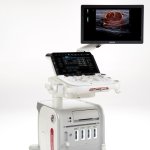
Medical imaging and healthcare IT company Esaote reports that it has completed the transition of its medical devices to comply with the new Medical Device Regulation (MDR).

Medical imaging and healthcare IT company Esaote reports that it has completed the transition of its medical devices to comply with the new Medical Device Regulation (MDR).

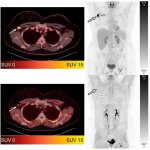
Dutch scientists have performed whole-body PET scans using a radioactively labeled antibody tracer against immune cells, to predict the effect of treatment with immune checkpoint inhibitors.

A promising new application for photon-counting CT: The new technology outperforms conventional CT in detecting subtle damage in the lungs of patients with persistent symptoms of Covid-19.

Multiparametric ultrasound will play an increasing role in imaging investigation and diagnosis as more subspecialities reap the benefits from the modality, Professor Paul Sidhu believes. The leading expert predicts that it will be more cost-effective and comfortable for patients and take point-of-care-testing onto a new level by embracing other parameters in the imaging process.

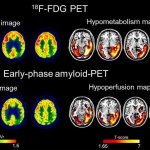
Using fluorodeoxyglucose positron emission tomography (FDG-PET) imaging may give insights into possible dose reductions in ongoing radiation therapy of head and neck cancer. A promising study to explore this option was presented at the 2022 ASTRO/ASCO Multidisciplinary Head and Cancer Symposium held in Phoenix, Arizona.

The need for breast cancer screening of transgender individuals has been a topic of uncertainty until recently, due to lack of reliable patient data, consensus by radiologists, published research, and recommended guidelines. A 2021 survey of Society of Breast Imaging (SBI) members revealed that ‘breast radiologists differ in their practice and knowledge regarding screening of transgender…

Medical imaging is critical across many fields of healthcare – but accessing it in remote or rural locations can be a struggle, resulting in missed appointments or delayed diagnoses. Fujifilm Healthcare Europe is a leading provider of medical imaging solutions across all modalities, and offers a range of portable imaging systems that allow imaging solutions to be taken closer to the patient.

For the first time, a new study has identified enlarged perivascular spaces in the brains of migraine sufferers. Results of the study will be presented at the annual RSNA meeting.

Swiss researchers developed a new MRI method to visualise metabolic processes in the body. Their objective is to improve the future diagnosis and treatment of heart disease.

Magnetic resonance imaging (MRI) can reliably establish measurements for anterior cruciate ligament (ACL) “footprints” that are critical to the placement of grafts for reconstruction surgery.

Siemens Healthineers presented its latest magnetic resonance tomographs designed for clinical and scientific use at the company's Shape 23 Keynote: The 3T Magnetom Cima.X and 7T Magnetom Terra.X.

Endosonography poses unique challenges for medical professionals, because two demanding disciplines have to be mastered at the same time. The use of artificial intelligence (AI) could help speed up the notoriously slow learning curve of the procedure, says Prof Dr Christoph F. Dietrich. At the Visceral Medicine Congress in Hamburg, the expert explained how AI can help endosonography achieve…

A new X-ray technology has been used to identify a link between the damage that severe Covid-19 can inflict on lungs and pulmonary fibrosis, a disease that causes severe scarring of lung tissue.

White matter hyperintensities (WMH) on the brain seen on MRI represent a biomarker associated with a 50/50 risk of death within five years after a first incident acute ischemic stroke (AIS) or transient ischemic attack (TIA).

The risk of developing breast cancer is higher in breasts with high density. But why is that? Researchers at Linköping University have shown major biological differences that promote cancer growth.

99mTc-Sestamibi SPECT/CT can aid in the diagnosis of solid renal lesions, especially in cases where contrast enhanced CT findings are inconclusive, according to researchers from the Mallinckrodt Institute of Radiology at Washington University School of Medicine in St. Louis, Missouri.

To assess diffuse liver disease, MRI is currently the modality of choice. New developments in artificial intelligence (AI) could tip the scales in favour of CT imaging. At ECR 2022 in July, experts showed how AI technology enables CT to quantify liver fat as exquisitely as MRI.

Women with high-risk breast lesions (HRLs) and no family history of breast cancer or BRCA mutations are generally considered to be at moderate risk of developing breast cancer. Breast cancer screening guidelines suggest breast MRI be considered as a supplement to mammography. But is this expensive exam necessary?

Pancreatic cancer tumours are being missed on CT and MRI scans, narrowing the window for life-saving curative surgery, research presented at UEG Week 2022 has revealed.

Researchers propose a new approach to identify cancerous tissue for surgical removal, based on real-time imaging of tissue oxygen concentration.

US researchers have developed a test to detect loss of myelin - a key contributor to many neurological diseases including multiple sclerosis, traumatic brain and spinal cord injuries, stroke, and dementia.

Recent advances in CT have focused mainly on software, yet new technology could push the modality much further, experts showed at ECR 2022.

A research team has investigated how contrast agents disperse inside cells. This could improve the assessment and further development of these agents and contribute to future medical diagnostics.

Bayer recently announced the launch of Calantic Digital Solutions, a new platform delivering access to digital applications, including artificial intelligence (AI) enabled programs for medical imaging.

US scientists and engineers have found a way to improve the performance of traditional Magnetic Resonance Imaging (MRI) reconstruction techniques, allowing for faster MRIs to improve healthcare.