

News • Exploring the connection
Type 2 diabetes affects asthma risk – and vice versa
Individuals with type 2 diabetes are at a higher risk of developing asthma – and vice versa, according to an analysis of data on 17 million people.

Individuals with type 2 diabetes are at a higher risk of developing asthma – and vice versa, according to an analysis of data on 17 million people.

Certain long-term health conditions such as chronic obstructive pulmonary disease (COPD) and asthma, can obscure early symptoms of lung cancer, leading to delays in diagnosis, a new study finds.

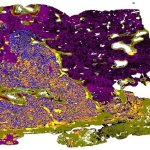
Cologne researchers have developed an AI-based digital pathology platform to enable extremely fast and accurate fully automated analysis of tissue sections from lung cancer patients.

Using conventional ultrasound, researchers have developed a model that determines whether conditions such as fibrosis or edema are present in the lungs, and gives information about the severity.

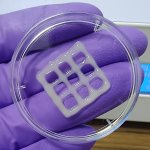
Researchers have created a mucus-based bioink which can be used for 3D printing lung tissue. This advance could one day help study and treat chronic lung conditions.

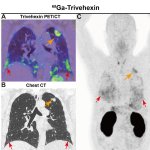
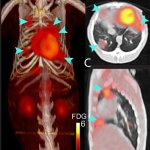
A new radiotracer enables positron emission tomography (PET) scans to be used for the first time to accurately pinpoint when and where tuberculosis (TB) is still active in a patient’s lungs.

Diagnosing lung conditions such as pulmonary embolism is more challengenging when a patient cannot tolerate contrast agents. Now, a new software solution is addressing the issue.

When people quit smoking, they often put on the pounds instead – but why is that? New research on dietary habits of smokers and non-smokers may provide us with an answer.

New research into a life-threatening, but underestimated complication in lung transplants not only provides new insights, but also approaches for early detection and timely treatment.

Primary ciliary dyskinesia (PCD) is a rare inherited multi-organ condition, which can lead to inflammation of the airways and infections. Now, scientists have found what causes PCD.

Researchers present a new method for generating human alveolar epithelial type I cells. This could ultimately progress therapies for people living with pulmonary diseases.

Although robots are common to assist in surgery, robotic assistance is not routinely used for lung transplants. However, this might change soon, according to an expert speaking at the ISHLT meeting.

Using ultrasound imaging to detect Covid-19 infections, a new automated detection tool could help doctors in the emergency room diagnose patients quickly and accurately.

Cancer patients receiving radiotherapy run the risk of injuring their lungs. This can lead to conditions like pneumonitis and fibrosis. A new cell-by-cell model can help make treatments safer.

Researchers have created a first-of-its-kind immune cell atlas of the developing lung, revealing coordination between the immune and respiratory systems much earlier than previously thought.

A new survey by The BMJ reveals shortages of vital diagnostic tests for respiratory conditions, such as COPD and asthma, across some of the most deprived areas of England.

Reports of AI gaining the upper hand in diagnostic imaging interpretation are piling up, but there are still areas where the eye of a trained human radiologist remains superior.

A team from UNC has developed a steerable lung robot that can autonomously maneuver the intricacies of the lung, while avoiding important lung structures.

A new research breakthrough could lead to the development of new treatments for people with compromised immune systems, such as those with cystic fibrosis.

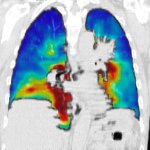
Heatwaves, wildfires, flooding: effects of climate change will further exacerbate breathing difficulties for millions of people living with lung conditions, new research finds.
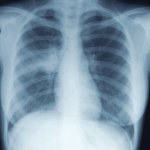
Researchers from the University of Chicago developed a deep-learning model to assess chest X-ray radiographs for probable Covid-19 severity.

A family physician at Tufts University School of Medicine offers advice for how to treat allergies and how to tell if symptoms are due to allergies, the common cold, the flu, or Covid-19.

A new device that combines microfluidics on paper, electrochemical transduction and immunoassays on magnetic nanoparticles is useful for easy and rapid diagnosis of lung diseases.

A tiny robot which can travel deep into the lungs to detect and treat the first signs of cancer has been developed by researchers at the University of Leeds.

AI can use data from low-dose CT scans of the lungs to improve risk prediction for death from lung cancer, cardiovascular disease and other causes, a new study finds.