

News • Insights on bias avoidance
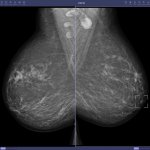
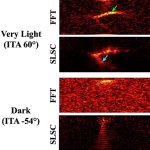
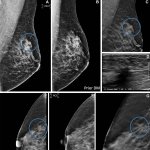
New breast imaging technique to improve visibility across skin tones
A new imaging technique reduces skin tone bias in breast cancer detection, improving visibility across diverse skin tones.

A new imaging technique reduces skin tone bias in breast cancer detection, improving visibility across diverse skin tones.

Hyperbaric oxygen therapy (HBOT) treatments could offer relief to breast cancer patients who experience late toxicities following radiotherapy treatment. To date, the handful of completed clinical trials only produced inconclusive or contradictory results. Therefore, results from the latest trial, named HONEY (Effect of Hyperbaric Oxygen Therapy on Breast Cancer Patients with Late Radiation…

New insights gained from 3D cell cultures of breast and prostate cancer grown on the International Space Station (ISS) National Laboratory could lead to a way to treat not just these but all cancers.

In many cases, metastatic breast cancer is still incurable. To improve the odds, researchers have now analyzed the diversity of metastatic cells and their interactions with their cellular environment.

The year: 2034. Breast cancer patients benefit from perfectly personalised diagnostics and therapies. The tedium of follow-up treatments is a thing of the past, thanks to AI, augmented reality and robotics. Just a tale from the realm of science fiction, or could this soon be clinical reality? At the annual meeting of the German Senologic Society, Prof Dr Marc Thill from the Agaplesion Markus…

Immunotherapy has become the most promising strategy for treating several cancers, but its effectiveness is still very uneven. Three researchers explain how research is being done to change this.

Minimally invasive surgical interventions, innovative imaging and the use of AI: At the upcoming EUSOBI congress in Lisbon, experts present and discuss the latest advances in breast imaging. We spoke with Tanja Brycker from Hologic ahead of the event about new trends in women’s health, the company’s investment in innovation and education, and what the future of mammography looks like with the…

A new study confirms fibrosis as a prognostic indicator in HER2-negative, the most common breast cancer, and opens the way to antifibrotic drug treatments.

Evidence of the superiority of tomosynthesis for breast cancer detection is stacking up, with new results from a 10-year study further demonstrating the 3D imaging technique's benefits.

Two international studies presented at the ESMO Congress 2024 show no increase in recurrence or new breast cancers in women who breastfeed after being treated for breast cancer.

Mammography can lead to “false positives,” meaning they do not result in a breast cancer diagnosis. This may discourage some women from future screenings, according to a new study.

Interdisciplinary collaboration between gynaecologists, radiologists, pathologists and breast care nurses following a palpation finding makes a decisive contribution to the success of further breast cancer treatment. This was the consensus among the speakers at the Annual Congress of the German Society of Senology in Dresden. The experts provided clear explanations of which imaging is best for…

Radiotherapy for breast cancer is always associated with the risk of damage to organs or surrounding tissue. A new positioning system, which has now been patented by the Hamm-Lippstadt University of Applied Sciences (HSHL), positions the breast far away from the upper body and thus increases the distance to the organs at risk. The medical device called "X-Akt Mamma RTX" is now set to be…

Radiologists and gynaecologists entered a veritable bout during the Oxford debate at the 43rd annual congress of the German Senologic Society in Dresden. Controversy was sparked by the question of whether all patients with a ductal carcinoma in situ (DCIS) should undergo radiotherapy.

After breast cancer surgery, radiotherapy helps prevent the cancer from returning. However, this protection does not last forever. A long-term study shows the duration of the treatment's benefits.

Researchers at MIT and ETH Zurich developed an AI model that identifies certain breast cancer stages likely to progress to invasive forms of cancer.

Sentinel lymph node biopsies can help detect breast cancer – but not every patient benefits from the procedure. New research finds that a simple EHR prompt can prevent unnecessary surgery.

Ductal Carcinoma in Situ (DCIS) often develop into more invasive forms of breast cancer. To predict which DCIS patients are likely to be affected, researchers have developed an analytic AI-based tool.

Researchers have developed a tool that can predict the risk level for side effects in the nervous system of women treated for breast cancer using taxanes. This could help adapt treatment.

Why does obesity increase the risk of cancer and possibly metastasis? Researchers in Spain are currently investigating this very question.

Finnish researchers discovered a mechanism that wakes up dormant breast cancer cells and demonstrated that preventing the mechanism can significantly improve treatment outcomes in experimental models.

Although the Covid-19 pandemic is behind us, healthcare facilities continue to experience workflow challenges and resource constraints impacting women’s health and a patient’s ability to receive a timely diagnosis. Clinical specialties like breast radiology and cytology are especially susceptible to these issues and continue to experience backlogs, which impact their ability to deliver timely…

Using artificial intelligence (AI), breast radiologists in Denmark have improved breast cancer screening performance and reduced the rate of false-positive findings.

Current AI systems for detecting breast cancer from mammography exams are more likely to produce false-positive results in black women and older patients, a new study finds.

Researchers have discovered how the mechanical properties of tumours - their softness, for example - can prime cancer cells to better survive their spread to other organs.