

News • Multimodal approach
Chest X-rays + patient data + AI = better diagnosis?
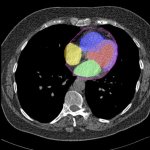
A new artificial intelligence (AI) model combines imaging information with clinical patient data to improve diagnostic performance on chest X-rays, a new study finds.

A new artificial intelligence (AI) model combines imaging information with clinical patient data to improve diagnostic performance on chest X-rays, a new study finds.

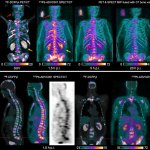
A new imaging agent can predict early metabolic response to HER2-targeted treatment in metastatic breast cancer patients, according to new research published in the Journal of Nuclear Medicine.

At the EUSOBI congress in Valencia, Hologic showcases its women's health portfolio, announces global partnerships for breast health - and even brings a sweet treat for the congressgoers.

A new mammography system was introduced at the EUSOBI 2023 congress by Siemens Healthineers. The system, which uses wide-angle tomosynthesis, was presented as "groundbeaking" by the company.

Reports of AI gaining the upper hand in diagnostic imaging interpretation are piling up, but there are still areas where the eye of a trained human radiologist remains superior.

Researchers from the University of Tsukuba have improved the imaging resolution of the magnetic resonance microscope, to obtain high-resolution images of embryos.

Radiologists called for action to reduce the release of contrast media in the hospital’s wastewater after contrast-enhanced examinations in a dedicated session at ECR 2023.

Mammographic screening is used to detect breast cancer, but is prone to false findings. Could an AI reader help improve this? UK researchers compared the performance of man and machine.

Osaka Metropolitan University scientists have developed an advanced AI model that utilizes chest radiographs to accurately estimate a patient’s "true" age.

Researchers from the University of Chicago developed a deep-learning model to assess chest X-ray radiographs for probable Covid-19 severity.

A team from Geneva demonstrates the value of imaging to detect the presence of tau protein in the brain to predict cognitive decline due to Alzheimer’s disease.

A machine learning model found that background parenchymal enhancement (BPE) on breast MRI is an indicator of breast cancer risk in women with extremely dense breasts.

A new AI model finds that x-ray images collected during routine medical care can provide warning signs for diabetes, even in patients who don’t meet the guidelines for elevated risk.

Identifying victims of major disasters remains a significant challenge for investigators. Often, identification can take weeks or longer but new approaches are paving the way for greater accuracy and quicker identification whilst preserving the body without unnecessary invasive investigation. An expert session at ECR heard about how new imaging technology can help with disaster victim…

A new safety analysis finds AI-supported mammography analysis is as good as two breast radiologists working together to detect breast cancer, almost halving the screen-reading workload.

While screening programs for several of the commonest cancers are now well established, lung cancer screening has yet to reach anywhere near the same proportion of at-risk patients.

With the recent recommendation changes from the European Council in 2022, how radiologists screen for breast cancer is changing. Mammography has long been an essential technology in screening for breast cancer, and in the recommendations the Council formally recognized the advantages of digital breast tomosynthesis (DBT). This landmark acknowledges the research on and benefits of DBT, advocating…

Combining ultrasound and MRI technology can help detect prostate cancer at an earlier stage and potentially save lives, according to new University of Dundee research.

Researchers at Monash University have designed a new co-training AI algorithm for medical imaging that can effectively mimic the process of seeking a second opinion.

AI can use data from low-dose CT scans of the lungs to improve risk prediction for death from lung cancer, cardiovascular disease and other causes, a new study finds.

Combining two types of heart scan techniques could help doctors to detect deadly hypertrophic cardiomyopathy (HCM) before symptoms and signs on conventional tests appear.

Researchers at NIST have been working on several fronts to advance low-field MRI technology and validate methods for creating images with weaker magnetic fields.

A new imaging method devised by German researchers offers a fast and cost-effective way to observe abnormal metabolic processes live in the MRI scanner.

University of Ottawa scientists have introduced a metal-free MRI dye capable of mapping kidney function with unprecedented accuracy — a promising technique for more personalized care.

Photon-counting CT allows for a comprehensive, simultaneous evaluation of lung structure and function, something not possible with standard CT, according to a new study.