

Cardiology

Photo

News • Cardiology

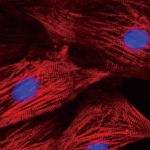
Mechanism for pathogenesis of heart failure

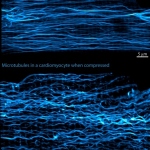
A weak heart is unable to pump an adequate amount of blood around the body. In Germany, this condition is now the commonest reason for patients to be admitted to hospital. A research group from the Clinic for Internal Medicine III in the Faculty of Medicine at Kiel’s Christian Albrecht University (CAU) and Schleswig-Holstein University Hospital (Kiel Campus) has discovered a previously unknown…

Photo

News • Sensor

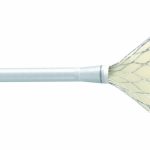
Technology for examining cardiovascular blood vessels

For the examination of coronary blood vessels, intravascular methods with imaging technologies are already state-of-the-art. However, ultrasonic methods, which are used to gather information about the tissue, can only be used externally, up to now. The piezo electronical components necessary for this have not been sufficiently miniaturized to be inserted into the blood vessels.

Photo

News • Women and Men

Heart Disease: same symptoms, different care

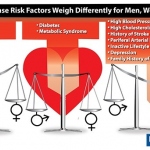
Despite messages to the contrary, most women being seen by a doctor for the first time with suspected heart disease actually experience the same classic symptoms as men, notably chest pain and shortness of breath, according to a study led by the Duke Clinical Research Institute.

Photo

News • Drug delivery vehicles

Soap bubbles for treating stenosed blood vessels

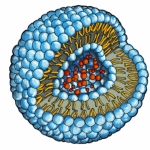
Liposomes are currently used as drug delivery vehicles but recognized by the immune system. Scientists from the universities of Basel and Fribourg have shown that special artificial liposomes do not elicit any reaction in human and porcine sera as well as pigs. The study was published in the Journal Nanomedicine: Nanotechnology, Biology, and Medicine.

Photo

Article • Cardiology

Big data in cardiac CT

CT angiography (CTA) is evolving from a morphological – anatomical – to a functional imaging modality. In the past two years, cardiac CT perfusion measurement techniques were launched that predict which lesion will cause a reduction in blood flow.

Photo

Article • CSI

3-D printed hearts

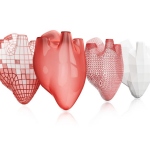
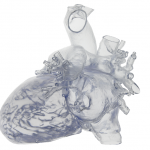
The CSI Congress (Congenital, Structural and Valvular Interventions) is one of the major fixtures for catheter therapy of congenital and structural heart defects. Key moments in this high profile event are live broadcasts and the audience can not only to listen to but also interact with the teams in the cath labs involved.

Photo

News • Cell therapy

Using skin to save the heart

Following a heart attack or other heart trauma, the heart is unable to replace its dead cells. Patients are often left with little option other than heart transplants, which are rarely available, or more recently cell therapies that transplant heart cells into the patient's heart.

Photo

News • Free

App to improve World’s cardiovascular health

Leading cardiologist Valentin Fuster, MD, PhD, has developed a free mobile application called “Circle of Health” to empower individuals around the globe to take action to comprehensively assess and enhance their daily overall heart health. Cardiovascular diseases are the number one cause of mortality in the world. Dr. Fuster has created “Circle of Health” for the daily promotion of…

Photo

News • Cardiology

3D scans spot earliest signs of heart disease

Researchers have shown that people with high blood pressure develop changes in their hearts even before symptoms appear. These changes are known to put people at risk of dying early, and the new work suggests it is possible for doctors to recognise such signs of heart disease earlier than they can today - by examining detailed images of the heart.

Photo

News • DISCHARGE

Less unnecessary cardiac catheterisations in the future

Cardiac catheterisation is the gold standard for diagnosing coronary artery disease (CAD), the main cause of death worldwide. More than 3.5 million invasive coronary angiographies (ICAs) are performed in the European Union each year, tendency rising. Nearly 60 percent of these minimal invasive examinations do not result in further treatment, since the patients do not have obstructive epicardial…

Photo

The mechanism that impairs blood flow with aging

With the world’s elderly population expected to double by 2050, understanding how aging affects the body is an important focus for researchers globally. Cardiovascular disease, the No. 1 cause of death worldwide, often is associated with aging arteries that restrict blood flow. Now, University of Missouri researchers have identified an age-related cause of arterial dysfunction, a finding that…

Photo

Research breakthrough in fight against muscle wasting diseases

It is estimated that half of all cancer patients suffer from a muscle wasting syndrome called cachexia. Cancer cachexia impairs quality of life and response to therapy, which increases morbidity and mortality of cancer patients. Currently, there is no approved treatment for muscle wasting but a new study from the Research Institute of the McGill University Health Centre (RI-MUHC) and University…

Photo

Article • Thrombectomy

Stroke is a surgical disease!

They did it for heart attacks. Can cardiologists now lead an effort to speed up the emergency medical response for stroke? Over the past five years, the Stent for Life initiative organised by interventional cardiologists has pushed majors medical centres to assure 24/7 coverage and reduce the time to treatment for patients showing up with severe chest pain.

Photo

Article • DTI

Diffusion tensor MRI

During a session focused on innovations in cardiovascular imaging, at the British Cardiovascular Society annual conference (Manchester in June), Professor Dudley Pennell, Director of the Cardiovascular Magnetic Resonance (CMR) Unit, and Director of Non-Invasive Cardiology at Royal Brompton and Harefield NHS Foundation Trust, outlined the background to diffusion tensor imaging (DTI).

Photo

Interview • CAD

Seeking CT’s role

Coronary artery disease (CAD) is the major killer worldwide. Its early detection can save the lives of many. Computed tomography (CT) has shown tremendous results in this area, but its advantage over more invasive techniques remains to be demonstrated, especially in patients with low to moderate risk.

Photo

Article • Diagnostic toolkit

New cardiac genetic testing panels

As new cardiac genetic testing panels become available, cardiologists have been warned not to lose sight of the importance of comprehensive clinical evaluation. While genetic testing is helping to identify more people at risk of inherited conditions, experts stress they are only part of the diagnostic toolkit.

254 show more articles
Subscribe to Newsletter