

News • Environmental medicine
New study links pesticide exposure to cancer risk
A new scientific study reveals a strong link between exposure to agricultural pesticides in the environment and the risk of developing cancer on a national scale.

A new scientific study reveals a strong link between exposure to agricultural pesticides in the environment and the risk of developing cancer on a national scale.

Earlier detection, better outcomes: A new blood test for bowel cancer screening is designed to transform cancer outcomes by moving away from invasive or unpleasant methods.

A new review shows that chronic stress may actively drive cancer progression. Therefore, psycho-oncology should be part of standard cancer care, the researchers argue.

Fear that their cancer will progress or worsen is one of the most common concerns among people living with this disease. A new tool aims to reliably measure patients’ anxiety about their cancer.

Two new studies explore the role of the thymus – a small organ in the chest, and possibly a missing piece in explaining why people age differently, and why cancer treatments fail in some patients.

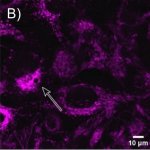
Why do some cancer cells develop treatment resistance? The answer may lie in hidden “storage hubs” inside tumour cells, which create uneven drug exposure across tumours, according to new research.

Women are more likely to survive cancer than men but face a higher risk of serious and adverse side effects from treatment, according to a new international study.

Glioblastoma is notorious for late diagnosis, rapid progression, resistance to treatment and its biological complexity. A new experimental method could help detect this deadly type of brain cancer.

Researchers discovered that pineoblastoma, retinoblastoma and medulloblastoma – severe brain tumours in children that appear to be completely different – actually arise from the same type of cell.

Researchers have discovered a new way to protect the heart during cancer chemotherapy without reducing antitumor efficacy. This could reduce long-term cardiovascular complications for patients.

Radiation oncology is a field in remarkable transformation: a deepening global shortage of trained practitioners, persistent inequities in access to treatment – and, on the other side of the ledger, a new generation of technologies, from AI-driven adaptive planning to photon-counting CT, that are expanding what the field can do in ways previously unimaginable. At this year’s World Health Expo…

Pancreatic cancer remains a diagnostic challenge, due to unspecific early symptoms and lack of effective screening tools. A novel AI metabolomics platform could help overcome these issues.

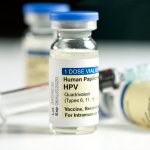
Vaccination against human papillomavirus (HPV) reduces the risk of cervical cancer for at least 18 years, according to a new study. There were no signs of waning protection over time.

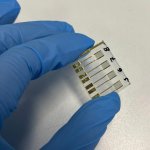
Using machine learning, researchers have trained an electronic nose to detect early signs of ovarian cancer in the blood. The method could eventually be used to find many different cancers.

A research team led by the University of Waterloo is developing a novel tool to treat cancer by engineering hungry bacteria to literally eat tumours from the inside out.

Although tumours may at first shrink under therapy, they often regrow or even become resistant. A new study suggests switching to a second treatment while the tumour is still responding to the first.

Radiotherapy is more effective when administered at the right time of day, according to new research. This discovery opens the door to cancer “chronotherapy”, the researchers hope.

Not just linked to diabetes: For the first time, researchers demonstrated that insulin resistance is a risk factor for 12 types of cancer, including uterine and breast cancer.

Advances in artificial intelligence and multimodal data integration are poised to revolutionise cancer diagnostics – but significant challenges remain before these technologies can be routinely deployed in clinical practice. Professor Manuel Salto-Tellez outlined the steps needed to bridge the gap between complex tumour biology and the relatively simple biomarkers currently available, speaking…

Due to its rapid spread in the abdomen, ovarian cancer is often only detected at an advanced stage. Now, scientists have discovered how this cancer takes advantage of other cells for metastasis.

Not all cancer mutations are equal: new research shows that a single mutation hotspot can generate a rich diversity of tumour behaviours. This could lead to more personalised cancer treatments.

Beyond "one-size-fits-all": A new strategy that combines two types of PET scans can guide personalized radiotherapy for head and neck cancers, according to new research.

Integrating the patient’s voice: A new study shows access to patient-reported outcome (PRO) data improves the consistency of the evaluation of treatment-related side effects in patients with cancer.

Scientists have shown that a type of laser similar to the one currently used in routine eye surgery could one day help surgeons remove unwanted tissues, such as tumours, with unprecedented accuracy.

Why do some tumours spread while others remain localised? Using colon cancer cells, scientists pinpointed the criteria that influence metastasis risk, and identified a way to assess its probability.