


News • High-channel prostheses
One step closer to visual implants
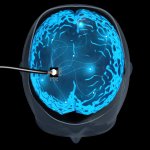
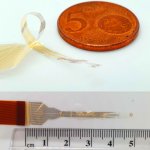
Electrodes implanted directly onto the brain’s visual cortex could eventually restore a rudimentary form of vision to people suffering from blindness worldwide, new research suggests.

Electrodes implanted directly onto the brain’s visual cortex could eventually restore a rudimentary form of vision to people suffering from blindness worldwide, new research suggests.

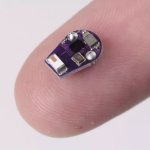
A pacemaker designed for babies could fill an unmet need for newborns with congenital heart defects and other heart conditions, finds a new study.

Researchers at the University of Sydney are using so-called Zwitterions to create a surface coating that could stop blood clotting in medical devices and implants like catheters and stents.

Patients aged between 50 to 70 years with a mechanical heart valve replacement had better long-term survival compared to those with a biological valve, new research has found.

New insights on the degradation of implantable chips in the body could lead to enhanced longevity of the chips and better treatments for patients with Parkinson's or clinical depression.

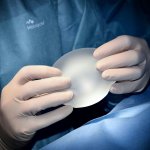
Women with breast implants should regularly attend follow-up care to avoid the risk of "silent" implant ruptures and their long-term complications, experts caution in a new publication.

A new type of photocurrent-responsive coating has been shown to shorten the bone-to-implant integration time after orthopaedic surgery to just two weeks.

As pharmacological options for subclinical Atrial Fibrillation and atrial high-rate episodes continue to run into challenges, new research suggests more physiological pacing solutions can help reduce risks of progression to clinical AF.

Opposing views on new implantable cardiac devices were aired in a Great Debate session at the European Society of Cardiology’s annual 2024 congress in London. Experts discussed emerging techniques and technologies and debated whether they are actually ready for clinical application. At the core of the session was the issue of whether conduction system pacing (CSP) should replace cardiac…

A newly developed ‘biocooperative’ material based on blood can guide key processes taking place during the natural healing of tissues to create living materials that enhance tissue regeneration.

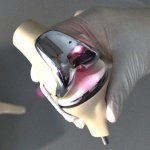
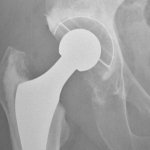
New research has identified hip implant materials with the lowest risk of needing revision, helping hospitals, surgeons and patients to choose what hip implant to use for replacement surgery.

New technology shows promise in protecting an implant against infections from resistant bacteria: By heating up small nanorods of gold with near-infrared light (NIR), the bacteria are killed.

A sensor that measures forces passing through the hip joint could help surgeons assess and balance the soft tissues before performing hip implant surgery, leading to more accurate implant positioning.

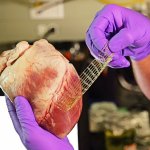
A band-aid for the heart? US researchers have developed a new way to 3D print material that is at once elastic, tough, and shapable enough to fit a patient’s unique heart or joint defects.

A new heart valve comprised of biological material obtained from human cells, opens up new therapeutic avenues for patients with paediatric heart diseases, such as tetralogy of Fallot.

Using advanced technology from the automotive and manufacturing industries, researchers are driving medical advancement to create ‘personalised’ hip replacements.

A tiny, flexible electronic device that wraps around the spinal cord could represent a new approach to the treatment of spinal injuries, which can cause profound disability and paralysis.

Decreased rates of death and stroke: new research shows the validity of transcatheter aortic valve replacement in low-risk patients. This advocates a less invasive alternative to surgical options.

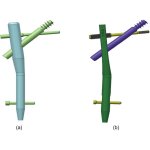
Traditional fixation techniques often fall short in addressing the mechanical challenges of unstable intertrochanteric femur fractures. A new nail aims to fix this issue.

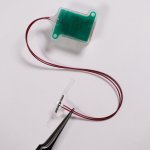
A new bioelectronic sensor enables continuous monitoring of bladder function. This could be a game-changer for people with paralysis, spina bifida, bladder cancer or end-stage bladder disease.

A team of Northwestern University scientists has developed the first wireless, implantable temperature sensor to detect inflammatory flareups in patients with Crohn’s disease.

An ageing population and modern lifestyle conditions have greatly increased the case numbers for hip arthroplasty. To prevent complications, it is important for orthopaedic surgeons to identify high-risk patients and take proper precautions. At the Heraeus symposium at DKOU, two experts explored the special measures that should be taken to ensure better outcomes for elderly and frail patients.

Many children born with heart problems receive prosthetic valves, but the valves cannot grow with them. A prototype expanding artificial heart valve could greatly reduce the number of surgeries.

Russian scientists have conducted a comprehensive examination of why some women present with autoimmune conditions after silicone augmentation mammoplasty.

Engineers from MIT are developing a device containing insulin-producing cells and a tiny oxygen-producing factory to keep the cells of diabetes patients healthy.