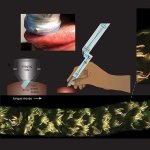
News • No more biopsies?
3D microscope reveals features in living tissues
MediSCAPE, a high-speed 3D microscope, can see real-time cellular detail in living tissues to guide surgery, speed up tissue analyses, and improve treatments.



MediSCAPE, a high-speed 3D microscope, can see real-time cellular detail in living tissues to guide surgery, speed up tissue analyses, and improve treatments.
SARS-CoV-2 has heavily impacted global society with high pressure on public health and economics. MolGen is proud to assist in relieving some of the pressure and support the testing framework.
New insights in the metastasis process: tumour cells pass themselves off as platelets to go undetected in the bloodstream, researchers from Granada have discovered.

Sepsis is the cause of one in five deaths worldwide, killing nearly 11 million people each year, many of them children. It is also a major cause of disability, affecting millions more. To combat the condition, many hospitals have implemented sepsis performance improvement programmes. A meta-analysis of 50 observational studies showed that these programmes are associated with better compliance…
Liquid biopsy performed on serum samples taken from breast cancer patients can provide increasingly accurate information on progression and enable earlier detection of recurrence.
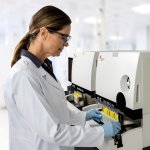
To provide a solution for the challenges of the coronavirus pandemic, Beckman Coulter recently launched the DxU Iris, a urinalysis solution which aims to improve lab workflows.

Liquid profiling is offering clear benefits in terms of cancer diagnostics and targeted therapy, but challenges remain in bringing it into the clinic.
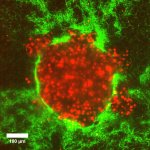
Model tumour systems could help explain whether pressure differences can push cancer cells into their surroundings – a basic mechanism behind metastasis.

Chromatograms from mass spectrometry feature characteristic peaks to signify the response of a target molecule. Artificial intelligence can help in the challenging task of identifying these peaks.

A DNA test has been shown to identify a range of hard-to-diagnose neurological and neuromuscular genetic diseases quicker and more-accurately than existing tests.

The future of pathology is digital – for many departments, transformation requires major modifications but promises significant advantages. Professor Catarina Eloy outlines the vital elements.
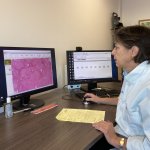
Close liaison between pathologists and data scientists is pivotal in the successful introduction of digital pathology and artificial intelligence (AI) into clinical workflows, according to one of France’s leading pioneers in the field.

Fully digitising pathology operations has led to greater efficiency, cost savings, and quicker diagnosis for the Laboratory of Pathology East Netherlands (LabPON).
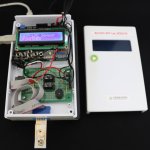
Scientists have developed a prototype sensor that could help rapidly measure adenosine triphosphate and lactate levels in blood samples, aiding in the rapid assessment of disease severity.
When combined with genetic risk factors, the test was up to 93 percent accurate at identifying people at risk of Alzheimer's dementia.
The tool has made it possible to detect SARS-CoV-2 in exudate from symptomatic patients with a sensitivity of 100% and a specificity of 87.5%
Nerve damage in multiple sclerosis can be detected via the concentration of neurofilament light chain in the blood. This could offer valuable information on future disease course and therapy effectiveness.
With micro-organisms and viruses constantly developing, mutating, and evolving, diagnostics must adapt just as rapidly. Advanced laboratory technology and instruments are undeniably a prerequisite for best practice in life sciences and biotechnology.

Hyaluronic Acid LT Assay is an in vitro diagnostic test (IVD) for the quantitative determination of hyaluronic acid based on the latex agglutination method. This turbidimetric method can be applied to general clinical chemistry analyzers.

Physicists from Leipzig University have developed gene expression tests to examine whether additional chemotherapy is necessary and really effective after breast cancer surgery.
Researchers have developed a noninvasive and reagent-free technique for the efficient detection of COVID-19.

Scientists have discovered a means of identifying the risk of breast and ovarian cancer by measuring epigenetic changes in cervical samples from over a thousand women.

Despite a five-year transition period for In-vitro Diagnostic Medical Device Regulation (IVDR), experts fear many actors in the field are still not prepared for the regulations coming into force.
Researchers from Charité – Universitätsmedizin Berlin and Deutsches Zentrum für Neurodegenerative Erkrankungen (DZNE) present new findings on the immune response against SARS-CoV-2.
Heart cells from a patient with an inherited heart disease called arrhythmogenic cardiomyopathy do not contract correctly when grown in the laboratory, researchers from Osaka University have found.

