

News • Insights on bias avoidance
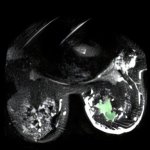
New breast imaging technique to improve visibility across skin tones
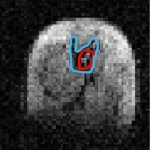
A new imaging technique reduces skin tone bias in breast cancer detection, improving visibility across diverse skin tones.

A new imaging technique reduces skin tone bias in breast cancer detection, improving visibility across diverse skin tones.

Royal Philips announced a major advance in radiation oncology with 510(k) clearance from the US Food and Drug Administration (FDA) for its new detector-based spectral CT radiotherapy solution.

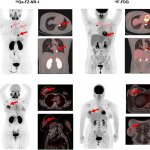
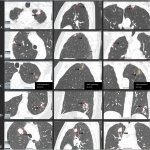
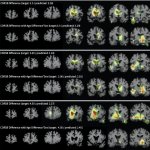
PET/CT image analysis using artificial intelligence (AI) can predict the occurrence of interstitial lung disease, a serious side effect of immunotherapy in lung cancer, a new study shows.

Radiology AI products are a whole new world. So is running them safely and efficiently in production. At the 2024 Society for Imaging Informatics in Medicine (SIIM) Annual Meeting, an expert outlined how new skills and resources are needed to use these AI tools – and how PACS administrators could evolve their position to fit this important role.

Early detection is crucial for effective treatment of colorectal cancer, but the initial stages are easily missed during endoscopy screenings. With GI Genius, Medtronic presents an AI-powered tool to help detect precancerous lesions in real-time. In an upcoming large-scale trial, the intelligent endoscopy module will demonstrate its benefit in the clinical context.

Recent developments in deep learning techniques are enhancing clinical imaging quality and reducing radiation exposure for patients while also maintaining diagnostic accuracy. The latest AI (artificial intelligence) component to clinical imaging – referred to as deep learning reconstruction (DLR) – is having a particular benefit in paediatric imaging, according to Dr Samuel Brady from…

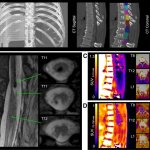
Not every spine abnormality shown in an MRI scan causes pain for a patient. To diagnose correctly, researchers advocate the use of questionnaires to match the images with reported symptoms.

United Imaging launches the uMI Panvivo, the uMI Panorama GS and Nuclear Medicine AI Solution at EANM, and announces strategic partnerships, reinforcing its commitment to advancing molecular imaging in Europe and beyond.

Magnetic resonance imaging (MRI) has made the jump to the Antarctic continent. A new mobile scanner at the Concordia research station is used to study effects on the brain even further away: in space.

Insulinomas are benign tumors in the pancreas, but can still cause problems for patients. A new imaging technique reliably detects these previously hard-to-find tumors, according to recent research.

Because radiology exams are an integral part of the treatment process for many hospital inpatients, any improvements in efficiency can have a positive ripple effect on routine hospital operations and functionality. Two quality control presentations at the 2023 RSNA Annual Meeting shared the theme of creating representational staff teams to identify bottlenecks involving radiology report…

Minimally invasive surgical interventions, innovative imaging and the use of AI: At the upcoming EUSOBI congress in Lisbon, experts present and discuss the latest advances in breast imaging. We spoke with Tanja Brycker from Hologic ahead of the event about new trends in women’s health, the company’s investment in innovation and education, and what the future of mammography looks like with the…

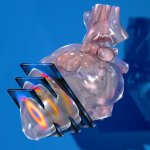
Using smartly trained neural networks, researchers at TU Graz have succeeded in generating precise real-time images of the beating heart from just a few MRI measurement data.

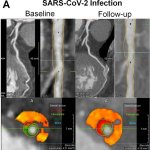
Measuring the calcium build up in the arteries of the breast, researchers have developed an AI-generated score for predicting cardiovascular disease in women from their mammograms.

Kidney cancer is relatively rare, so dedicated screening programmes would not be cost-effective. Combined with lung cancer screening, however, this would be much more feasible, a new study shows.

Evidence of the superiority of tomosynthesis for breast cancer detection is stacking up, with new results from a 10-year study further demonstrating the 3D imaging technique's benefits.

Ultrasound plays a pivotal role in the assessment of organ transplant patients. It enables physicians to safely and easily assess progress, identify complications and resolve problems, as well as deliver long-term monitoring. The value of ultrasound in the transplant space was highlighted in a session at ECR 2024, covering liver, renal, pancreas, paediatric and multi-organ transplants with…

Researchers have identified biomarkers that, in conjunction with PET imaging, enable doctors to reliably distinguish between primary 4-repeat tauopathies and Alzheimer's disease.

Mammography can lead to “false positives,” meaning they do not result in a breast cancer diagnosis. This may discourage some women from future screenings, according to a new study.

Interdisciplinary collaboration between gynaecologists, radiologists, pathologists and breast care nurses following a palpation finding makes a decisive contribution to the success of further breast cancer treatment. This was the consensus among the speakers at the Annual Congress of the German Society of Senology in Dresden. The experts provided clear explanations of which imaging is best for…

With enough medical training data, AI can predict health conditions with astounding accuracy. Now, researchers want to use brain scans of the entire Scottish population to have an algorithm early detect dementia.

To diagnose neuroblastoma in children, lengthy scans and anaesthesia are often required. A new PET/CT imaging technique could deliver faster results without sedation for the paediatric patients.

Radiology practices have a high volume of chest X-rays without clinically significant finding, which take up a lot of time. A new AI tool could improve workflows by providing an automatic report.

United Imaging, a company specializing in advanced imaging solutions, is proud to announce the first installment of their cutting-edge technology in France. The increasing number of healthcare facilities deciding to leverage the company's diagnostic solutions stands as a testament to their effort toward engineering imaging solutions that hold the potential to transform patients’ lives worldwide.

New resesarch suggests a new way of assessing the risk of heart failure without invasive diagnostic tests. The method involves MRI to measure heart pressure as a predictive factor.