


News • European system launch
Multi-light technology and CMOS sensor to advance gastroscopy
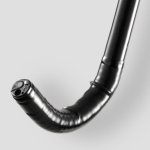
Fujifilm Healthcare Europe announce the European launch of the EG-860R routine gastroscope as the latest addition to their Eluxeo® endoscopy portfolio.

Fujifilm Healthcare Europe announce the European launch of the EG-860R routine gastroscope as the latest addition to their Eluxeo® endoscopy portfolio.

A new ventilation mode called proportional assist ventilation (PAV+) could improve outcomes for patients in the intensive care unit (ICU) who require help breathing, a new study finds.

When should preventive mastectomy be offered for women at higher risk of breast cancer? A new evaluation model defines thresholds at which risk reducing surgery should be recommended.

From active monitoring to combinations of local and systemic treatment: A new study shows that most men with prostate cancer who receive treatment recommended by guidelines have a good prognosis.

Saving money, at a cost: To undergo bariatric and weight reduction surgery, more and more patients turn to institutions outside their home country – potentially putting their health at risk.

Too many medicines, too many hospital visits: Inappropriate polypharmacy is a major driver of emergency hospital admissions among adults aged 65 and over, according to a new study.

Should tracheobronchial anastomoses be routinely wrapped following resection and reconstruction? A new study revisits this unresolved question in airway surgery.

Pulmonary embolism (PE) remains one of the leading causes of maternal mortality. At the French Thoracic Society Spring Days in May, Dr Aurélie Dehaene, radiologist at European Hospital in Marseille, France, reviewed diagnostic strategies for suspected PE during pregnancy, with a focus on clinical algorithms and optimized imaging protocols.

Machine learning (ML) for personalised care, large language models for empathy training of cardiologists, wearable sensor data for better screening, and more: Digital technologies hold great potential to improve diagnosis and treatment of patients with atrial fibrillation (AF). At the ESC 2024 cardiology congress in London, four experts explored the benefits of new solutions and pointed out…

The use of surgical robots offers a wide range of possibilities, but in Europe the technology is often unable to reach its full potential. Dr. med. Christoph Wandhöfer explains why.

Using a keyhole surgery approach, surgeons have found a new way to access previously difficult-to-reach brain regions with faster recovery times. With the help of 3D modelling technology, the neurosurgeons succeeded in removing complex tumours from the cavernous sinus through the eye socket, avoiding complex brain surgery and enabling their patients to make a quicker recovery.

Fujifilm Healthcare Europe announce the European launch of the new routine colonoscope with a state-of-the-art CMOS sensor. This is the third in a series of new and upcoming solutions to be released.

A new method for predicting the risks of severe injuries during childbirth could improve care and reduce long-term complications for women.

Nuclear medicine specialist Daniela Oprea-Lager has been appointed Professor of Theranostics at Radboudumc / Radboud University. Her research focuses on the combination of diagnostics and treatment using radioactive substances, with particular interest for urological tumors, especially prostate cancer.

Cataracts are often treated via SICS surgery in low- and middle-income countries, which often leads to poorer results due to limited resources and training. A new AI-based tool aims to improve this.

With the introduction of boron neutron capture therapy (BNCT), Helsinki University Hospital offers a new radiation therapy method that can destroy cancer cells while sparing the surrounding tissue.

Fujifilm Healthcare Europe announce the European launch of their new therapeutic gastroscopes and narrow endoscope for advanced treatment.

From organ-preserving treatments to chemo-immunotherapy combinations: five studies presented at ESTRO 2025 showcase how radiotherapy is reshaping the treatment landscape for anal and rectal cancer.

Radiation therapy is an effective component of many cancer treatments, but some patients experience severe side effects. A new study shows that hyperbaric oxygen therapy can provide long-term relief.

A risky carotid artery operation may no longer be necessary for patients who suffer a stroke due to carotid artery narrowing, research suggests. Instead, medication-only treatment may also be viable.

Surgery may not be the best next course of treatment for patients with early-stage breast cancer who had a complete response to neoadjuvant chemotherapy and standard radiotherapy, new research finds.

Severe obesity comes with serious health risks, which can be reduced with metabolic and bariatric surgery. Now, a landmark study reveals which operation is most effective or cost-effective.

World TB Day raises awareness about tuberculosis and commemorates the discovery of the source bacterium M. tuberculosis. More than a century later, scientists still refine anti-TB strategies.

Cryoablation, the destruction of malignant cancer cells by freezing them, is increasingly becoming an alternative to having conventional lumpectomy for patients diagnosed with early-stage, localised, low-risk breast cancer. Findings from numerous recent clinical trials show that cancer recurrence rates are very low and are comparable to breast conservation surgery (BCS).

Giving separated blood plasma improves outcomes in patients with traumatic brain injury (TBI) or shock, whereas unseparated or “whole” blood may be best for patients with traumatic bleeding.