


Sponsored • Gastroenterology
Fujifilm reinvents high-end endoscopes
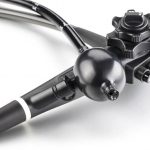
Two technologies from consumer electronics are at the core of a next-generation endoscope that throws a new light on exams in gastroenterology. Report: John Brosky

Two technologies from consumer electronics are at the core of a next-generation endoscope that throws a new light on exams in gastroenterology. Report: John Brosky

Pentax Medical EMEA announces its continued cooperation with SMART Medical to support the distribution and deployment of SMART’s G-EYE technology integrated with Pentax Medical’s HD+ systems to the EMEA market.

In the early months of a New Year many of us are tightening our belts after Christmas gastronomic indulgences. However, the belt may not be as long as it used to be and the gym treadmill may be the only answer.

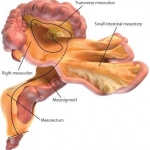
University of Limerick professor J Calvin Coffey has identified an emerging area of science having reclassified part of the digestive system as an organ.

Technological advances increasingly enable endoscopists to treat disease and perform surgical procedures. However, professionals must work hard to learn and maintain knowledge of complex interventions, says Dr Ferran González-Huix Lladó, President of the Spanish society of digestive endoscopy (SEED)

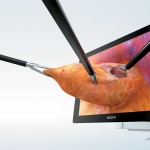
During many and various 2015 medical congresses 3-D visualisation has been a key topic as the industry continues to introduce improved hardware and software in ever-shorter intervals. Interventional medicine is entering a new dimension, was a popular slogan. The crystal clear, coloured visualisation of body cavities previously only visible in cloudy black and white may be fascinating, but it does…

The human body is inhabited by billions of symbiotic bacteria, carrying a diversity that is unique to each individual. The microbiota is involved in many mechanisms, including digestion, vitamin synthesis and host defense. It is well established that a loss of bacterial symbionts promotes the development of allergies. Scientists at Helmholtz Zentrum Munich, at the Technical University of Munich…

The results of a study presented today at the European League Against Rheumatism Annual Congress (EULAR 2015) Press Conference showed that people with systemic sclerosis (SSc) have a unique bacterial signature in their colon, when compared with healthy people.

Research published in the open access journal Microbiome offers new evidence for the success of fecal microbial transplantation (FMT) in treating severe Clostridium difficile infection (CDI), a growing problem worldwide that leads to thousands of fatalities every year.

The human gut literally teems with microorganisms from at least 1,000 different species that are increasingly considered to be a valuable resource for the prediction, aetiology and prognosis of disease. Due to continual contact with the environment, primarily via food, the gut is susceptible to infection when a virus, parasite or bacterium enters and disrupts normal gut microbiota (or flora).

At the close of the Gastrointestinal Medicine and Surgery meeting in Leipzig, Professor Peter R Galle, Congress President of the German Society for Gastroenterology, Digestive and Metabolic Diseases, spoke with EH about today’s emphasis on interdisciplinary exchange and the need to augment cooperation even further. Report: Chrissanthi Nikolakudi

About a year ago, gastroenterologist Professor Horst Neuhaus began to use a high definition TV (HDTV) system as an aid in the endoscopic procedures carried out at Dusseldorf's Evangelisches Krankenhaus, in the Medical Clinic and Reference Centre for Endoscopy, of which he is head.