


News • Hypothermic oxygenated perfusion
‘Heart-in-a-box’ to improve organ transport
Not just a Nirvana song, but also an effective way to keep a donor heart fresh for transplantation: New research shows the benefits of “heart-in-a-box” storage.

Not just a Nirvana song, but also an effective way to keep a donor heart fresh for transplantation: New research shows the benefits of “heart-in-a-box” storage.

Artificial intelligence (AI) can be used to great effect in colonoscopies to spot abnormalities potentially leading to bowel cancer. This is the result of the recently completed COLO-DETECT trial.

Enter symptoms into ChatGPT, receive an accurate diagnosis? Research reveals that LLM AI models are not quite there yet, struggling to identify genetic conditions from patient-written descriptions.

Managing Directors and C-level executives from hospitals, clinics, and healthcare facilities gather in Berlin to discuss the latest advances and strategies for the digitalisation of healthcare.

Korean researchers have developed a new type of 'smart' surgical suture that monitors the recovery process of a wound. This could improve orthopedic or general medical rehabilitation, the team hopes.

Companies are joining the focus exhibition of the Pharmaceutical Automation and Digitalisation Congress (AUTOMA+) to present their services and find new connections for further collaboration. The Congress is held on 18-19 November 2024 in Zurich, Switzerland.

Researchers at MIT and ETH Zurich developed an AI model that identifies certain breast cancer stages likely to progress to invasive forms of cancer.

For patients with atrial fibrillation, using a wearable device can lead to higher anxiety about symptoms and treatment, doctor visits, and use of informal healthcare resources, a new study finds.

Diagnosis and monitoring medical conditions, including cancer, diabetes, heart disease, and infections: In this opinion article, Alix Joseph (Linxens) explores the potential of sweat analysis.

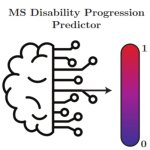
Can an AI predict the progression of multiple sclerosis in a patient over the subsequent months and years? Researchers in Belgium used machine learning to do just that – with promising results.

AI models perform increasingly well in answering medical questions. However, when it comes to explaining these answers, shortcomings become apparent, a new study shows.

Sentinel lymph node biopsies can help detect breast cancer – but not every patient benefits from the procedure. New research finds that a simple EHR prompt can prevent unnecessary surgery.

Using advanced technology from the automotive and manufacturing industries, researchers are driving medical advancement to create ‘personalised’ hip replacements.

From 45 minutes to just a few seconds: A new computer model utilises AI to examine cardiac MRI scans in the four-chamber plane, potentially offering speedy and dependable heart health evaluation.

A new smartphone face-screening tool could help paramedics to identify stroke in seconds – much sooner and more accurately than is possible with current technologies.

Undergoing an MRI scan can be a scary prospect for children. Now, a novel eye tracking controlled VR system has been tested on 23 patients aged 2 to 13, allowing them to play games and watch films.

Cancer care that utilizes telehealth and local care would generate 33.1% less greenhouse gas emissions than the traditional model, new research finds.

A combination of facial thermal imaging and artificial intelligence (AI) can accurately predict the presence of coronary artery disease (CAD), new research finds.

For many, the term “metaverse” evokes images of VR headsets and the rebranded company behind Facebook – but can the digital parallel universe provide actual benefits for healthcare? Dr Anke Diehl has studied the technology intensively and recognises significant potential for medical applications. However, the expert for digital transformation at Essen University Medicine, Germany, cautions…

A new interdisciplinary research group explores issues of explainability and comprehensibility of AI in medicine – and who is responsible when something goes wrong.

Autonomous robotic ultrasound systems could perform routine examinations and support doctors in the OR. New research shows that these systems can make everyday life easier for medical professionals.

Chatbots like ChatGPT generally deliver servicable results when asked for healthcare advice. However, new research suggests that the LLM's accuracy drops when languages other than English are used.

Physicians using a virtual scribe spend significantly less time in the eHR, a new study finds. This reduces their burden and frees up time for patient care – and AI could push this even further.

New robotic technology could pave the way for more precise MRI-guided stereotactic surgery, for example by assisting with cannula/needle targeting during deep brain stimulation (DBS) interventions.

Two companies are combining their unique expertise to develop intelligent e-skin patches to “self-sense” cardiac events in patients. The flexible patch platform will deliver a comprehensive understanding of both electrical and mechanical heart activities and has the potential to enable cardiologists to better monitor their patients.