News • Optical coherence tomography
Retinal texture could provide early biomarker of Alzheimer's disease
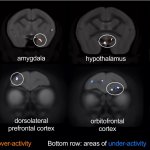
New imaging technique combines two technologies to spot early warning signs of Alzehimer's disease in mice.

New imaging technique combines two technologies to spot early warning signs of Alzehimer's disease in mice.

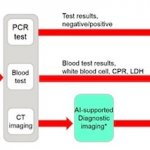
Although the clinical symptoms of new pediatric lung disorders such as severe acute respiratory syndrome (SARS), swine-origin influenza A (H1N1), Middle East respiratory syndrome (MERS), e-cigarette or vaping product use-associated lung injury (EVALI), and coronavirus disease (COVID-19) pneumonia may be nonspecific, some characteristic imaging findings "have emerged or are currently…

Royal Philips announced the ultimate ultrasound solution for pediatric assessment, the latest addition for its Philips Ultrasound System (EPIQ Elite). The new ultrasound solution provides clinicians with exceptionally detailed images and the performance they need to make a definitive diagnosis for pediatric patients, reducing the need for additional diagnostic imaging steps, such as X-ray imaging.

In an international collaboration led by Lund University in Sweden, researchers have used synchrotron light to study what happens to the nerves in diabetes. The technique shows the 3D-structure of nerve fibers in very high resolution. “This knowledge can be used to map mechanisms for how nerve fibers atrophy and grow back. It means that we can better understand how diabetes affects the nerves…

Whole body diffusion-weighted magnetic resonance imaging (DW MRI) may aid in the assessment of cancer treatment response in children and youth at much lower levels of radiation than current approaches, suggests a small study funded by the National Institutes of Health. The results appear in Radiology. Researchers compared DW MRI, which measures the density of tumors by tracking the movement of…

Agfa HealthCare announces the successful sale of part of its IT business to the Dedalus Group at an enterprise value of 975 million euro. The part that has been sold consists of the Healthcare Information Solutions (Electronic Health Record, the ORBIS platform) and the Integrated Care activities in Germany, Austria, Switzerland, France and Brazil as well as specific Imaging IT activities in…

Hsinhan Tsai and a research team in materials, nanotechnology, nuclear engineering and X-ray science at the Los Alamos National Laboratory and the Argonne National Laboratory in the U.S. demonstrated a new thin film X-ray detector prototype.

A new X-ray detector prototype is on the brink of revolutionizing medical imaging, with dramatic reduction in radiation exposure and the associated health risks, while also boosting resolution in security scanners and research applications.

Siemens Healthineers AG took a big step last October. To incorporate treatment along an entire clinical path, the firm acquired Corindus Vascular Robotics, Inc., to combine image-guided diagnosis with robot-assisted surgery. A couple of months later, the Corindus endovascular robotic system CorPath GRX was used to implant a vascular stent into an obstructed coronary artery – the first use of…

SymphonyAI Group, an operating group of leading business-to-business AI companies, announced the acquisition of TeraRecon, the market-leading advanced visualization and AI solution provider for medical imaging. As SymphonyAI Group’s seventh portfolio company, TeraRecon has a charter to establish a new portfolio of healthcare AI solutions focused on medical imaging. Using newly patented AI and…

Like most technologies, X-ray imaging software is evolving, delivering more automation and improved image quality. However, the fundamental imaging basics for radiologic technologists remain unchanged. In this article, manufacturer Carestream provides a helpful review of the imaging basics for rad techs. In today’s digital world, basic functions once performed by the operator are now…

Agfa announces the launch of its digital tomosynthesis solution, which offers a fast, economical and low-dose technique to separate anatomical overlap in a variety of applications. Powered by Musica, digital tomosynthesis automatically delivers 3D reconstructions with optimal contrast and consistent quality across slices and images. The digital tomosynthesis solution can add clinical value in a…

A group of researchers led by Leif Schröder from the Leibniz-Forschungsinstitut für Molekulare Pharmakologie (FMP) have found a way to detect metastases in certain types of cancer in the brain at an early stage, using only minimal amounts of contrast agent. To this end, the team uses a synthetic molecule that helps to detect the formation of new blood vessels, producing much more sophisticated…

Chest X-ray is the first imaging method to diagnose COVID-19 coronavirus infection in Spain, but in the light of new evidence this may change soon, according to Milagros Martí de Gracia, Vice President of the Spanish Society of Radiology (SERAM) and head of the emergency radiology unit at La Paz Hospital in Madrid, one of the hot spots for viral re-production of COVID-19.

Imaging biomarkers (IB) have advanced tremendously since first described 25 years ago, but many challenges still block their widespread use. During the EuSoMII’s annual meeting in Valencia, Dr Ángel Alberich-Bayarri gave pragmatic solutions to tackle current bottlenecks and explained why close surveillance is mandatory for further development of IB. However, these need close surveillance with…

Novel advanced imaging biomarkers are being developed in a series of studies at several UK centres that may lead to the earlier assessment of treatment response to glioblastoma (GBM) and a better survival rate.

Glioblastomas are complex, fast-growing malignant brain tumors that are made up of various types of cells. Even with aggressive treatment — which often includes surgery, radiation, and chemotherapy — glioblastomas are difficult to treat, leading to an average survival of 11-15 months. In research published in Science Advances, Xavier Intes, a professor of biomedical engineering at Rensselaer,…

Scientists from the project SOLUS (Smart optical and ultrasound diagnostics of breast cancer) under the EU funding framework programme Horizon2020 have developed a non-invasive, multi-modal, imaging system that uses ultrasound and light technologies to easily differentiate between benign or malignant lesions – without having to perform a biopsy. Similar to a pregnancy ultrasound appointment, a…

Engineers at Rutgers University have created a tabletop device that combines a robot, artificial intelligence and near-infrared and ultrasound imaging to draw blood or insert catheters to deliver fluids and drugs. Their most recent research results, published in the journal Nature Machine Intelligence, suggest that autonomous systems like the image-guided robotic device could outperform people on…

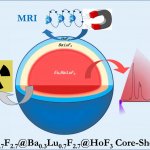
Magnetic resonance imaging (MRI) usually measures the magnetic moment of the hydrogen atomic nuclei arising from the spin. However, scientists at the German Cancer Research Centre (DKFZ) are investigating the spin of other nuclei for imaging: ‘X-nuclei imaging has a large potential for MRI imaging as the x-nuclei play an important part in many physiological processes,’ according to doctor and…

Infrared thermometers are now used in most subway stations in China to prevent the spread of novel coronavirus (SARS-CoV-2) pneumonia (MCP). Many stations have implemented an artificial intelligence (AI) based fever screening system developed by the Beijing-based company Megvii Technology Limited. The system supports non-contact remote temperature screening from a distance of 3 meters. "This…

Scientists have created one of the most detailed maps of breast cancer ever achieved, revealing how genetic changes shape the physical tumour landscape. An international team of scientists, brought together by a £20 million Grand Challenge award from Cancer Research UK, has developed intricate maps of breast tumour samples, with a resolution smaller than a single cell. These maps show how the…

Carestream’s Digital Tomosynthesis (DT) functionality—a three-dimensional extension of general radiography—has received 510(k) clearance from the U.S. Food and Drug Administration (FDA). Simplifying workflow and reducing exam time, DT technology is an upgradable option on the Carestream DRX-Evolution Plus System, a versatile digital radiography system that can perform a wide range of…

A novel method of combining advanced optical imaging with an artificial intelligence algorithm produces accurate, real-time intraoperative diagnosis of brain tumors, a new study finds. Published in Nature Medicine, the study examined the diagnostic accuracy of brain tumor image classification through machine learning, compared with the accuracy of pathologist interpretation of conventional…

Brain imaging of pathological tau-protein “tangles” reliably predicts the location of future brain atrophy in Alzheimer’s patients a year or more in advance, according to a new study by scientists at the UC San Francisco Memory and Aging Center. In contrast, the location of amyloid “plaques,” which have been the focus of Alzheimer’s research and drug development for decades, was found…