


News • Waning workforce
Health worker shortages strongly linked to excess deaths
Shortages of health workers such as doctors, nurses and midwifery staff are strongly associated with higher death rates, finds a new analysis published by The BMJ.



Shortages of health workers such as doctors, nurses and midwifery staff are strongly associated with higher death rates, finds a new analysis published by The BMJ.

When in doubt, write a prescription? New research links burnout in GPs to higher antibiotic and strong opioid prescribing, especially in more deprived areas of the North of England.
Better coordination beyond purely medical aspects: the Swiss national research programme “Smarter Health Care” shows how resources in the health sector can be used more efficiently.
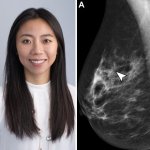
When double reading screening mammograms, radiographers trained for the task perform as well as radiologists in key areas, according to a new publication.

Thousands of unvaccinated French health workers face suspension without pay under a new COVID-19 law that punishes people in care professions who refuse to get immunised against the virus.
Healthcare workers are 7 times as likely to have severe Covid-19 infection as those with other types of ‘non-essential’ jobs, finds research focusing on the first UK-wide lockdown. And those with jobs in the social care and transport sectors are twice as likely to do so, emphasising the need to ensure that essential (key) workers are adequately protected against the infection, say the…
A group of senior clinical academics and physicians are concerned about the rapid roll out of COVID-19 antibody testing in England and are publicly questioning how good the tests are - or even what they mean. In a letter to The BMJ, they argue that there is currently no valid clinical reason for large scale testing, test performance has not yet been adequately assessed, and testing risks…

Amid ever-growing demand for services, significant challenges face the pathology workforce in the years ahead but – there are also good opportunities. With advances in technology and the advent of artificial intelligence as a decision-making support tool, Professor Jo Martin, President Royal College of Pathologists (RCPath) in the UK, believes there remain opportunities for pathology to play a…
Deployment of electronic health records (EHR) are increasingly cited as a factor in physician burnout. However, a senior figure with the Healthcare Information and Management Systems Society (HIMSS) – which supports the transformation of health through information and technology – believes defined use of data and information can help off-set the impact of burnout among health professionals.…
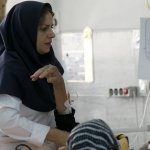
Nurses’ knowledge of cancer and screening processes varies significantly across the globe – potentially resulting in unnecessary deaths where knowledge falls short – new research reports. It is therefore vitally important to assess varying levels of knowledge in nurses across the world, a new study led by researchers from the University of Surrey reports.

A review of evidence by researchers at King’s College London has found high levels of alcohol dependence among hospital inpatients. The researchers estimate one in five patients in the UK hospital system uses alcohol harmfully, and one in ten is alcohol dependent. Currently little is being done to screen routinely for alcohol dependence in hospitals, and services for patients with alcohol…

The Rt Hon Matt Hancock MP, Secretary of State for Health and Social Care, will be launching a new report by the TaxPayers' Alliance (TPA) on introducing more automation in the NHS. As families and businesses face a 50 year high tax burden, the government has a duty to provide good value for money. The NHS is an essential service which needs to see further improvement and less money wasted.…
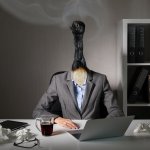
Longer hours, more demanding working practices, complex cases and increased administration are taking their toll on physicians as growing numbers, across a range of specialties, report signs of burnout. All this despite technological advances such as artificial intelligence and machine learning to aid diagnosis, read and interpret images, improve workflow and enhance decision-making.

Following a report from software firm Nuance Communications that suggests technology firms should consider shadowing nurses to fully understand their workflows and inform the creation of solutions that work for them, nurses’ views on technology and data are to be consulted in a new Royal College of Nursing initiative alongside NHS Digital’s chief nurse Anne Cooper.
The European Institute for Biomedical Imaging Research (EIBIR) has published its Strategic Research Agenda (SRA) for Biomedical Imaging. The agenda identifies current challenges and needs in healthcare, illustrating how biomedical imaging and derived data can help to address these challenges, in order to stimulate dedicated research funding efforts and mechanisms.

Burn-out, depression, heavy drinking: Surgeon's seem to be in deep trouble, according to an editorial published in the Journal of ISAKOS (JISAKOS). It is high time for the profession to fix this problem itself before the government steps in, urges leading surgeon Professor Niek van Dijk of the Academic Medical Center in Amsterdam, citing various published studies - and offers solutions on how to…
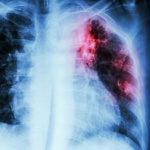
AI-based applications will replace radiologists in some areas, the physicist Bram van Ginneken predicts. ‘The profession of radiologist will change profoundly,’ predicts Gram van Ginneken, Professor of Medical Image Analysis at Radboud University Medical Centre. The cause is automatic image analysis by computers (first published in a paper in 1963) and deep learning.
The radiographer in Switzerland faces many issues, from having the right education to positioning themselves both professionally and legally in the healthcare continuum. Before a large audience at ECR 2018, Yves Jaermann, head of the radiographers service Riviera-Chablais Hospital in Vaud Valay, reviewed the situation in his country. The profession of radiographer was born in 1896, when the first…

For the quality of medical care, Europe is increasingly relying on digitization and telemedicine. The Nordic countries are considered pioneers in the digitization of the health care system. European Hospital spoke with Professor Arild Faxvaag, Department of Neuromedicine and Movement Science Faculty of Medicine and Health Sciences, University of Trondheim, Norway, about his presentation “Nordic…

Emergency radiology is no longer a babbling field; professionalisation will bring more recognition to this young subspecialty, according to Elizabeth Dick, a London-based consultant, who will coordinate part of the new European Diploma in Emergency Radiology (EDER), the European Society of Radiology’s new tool. We interviewed the radiologist, who spoke of her daily practice and why she loves…